 look news india

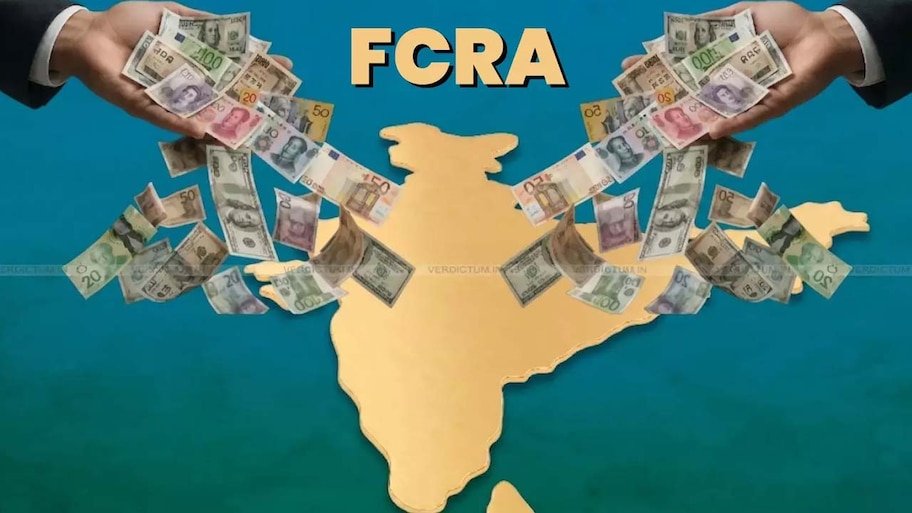
The corridors of Parliament are going to be completely heated from today regarding the Foreign Contribution Regulation Act (FCRA) Amendment Bill, which has been brought with the aim of making the rules of donations coming from abroad to the non-governmental organizations (NGOs), religious and social institutions and educational institutions of the country more stringent and transparent. The first formal meeting of the 31-member Joint Parliamentary Committee (JPC) formed on this much-discussed and sensitive bill is being held today at the Parliament House Annexe in the national capital New Delhi. The first meeting of this JPC, with the presence of prominent MPs from both the ruling party and the opposition, is likely to mark the beginning of a period of heated debates and questions and answers. All eyes are on this new legal draft to balance the impact of foreign funding on national security and the autonomy of institutions.
The structure of this special Joint Parliamentary Committee constituted by the Parliament has been prepared keeping in mind the balance of both the Houses. A total of 31 MPs have been included in the committee, out of which 21 members have been nominated from the Lok Sabha and 10 members from the Rajya Sabha. This committee includes senior and legal MPs from the ruling National Democratic Alliance (NDA) as well as opposition parties like Congress, Trinamool Congress, DMK and SP. Under the chairmanship of the Chairman of the Committee, who is commanding the JPC, this meeting will start at the scheduled time in the morning, in which the agenda of formal discussion on each clause, provision and proposed changes of the Bill will be decided.
The most important part of today’s inaugural meeting will be the detailed presentation given by top administrative and legal officials of the Union Ministry of Home Affairs (MHA). The Home Secretary, Joint Secretary of the Foreigners Division and the Legal Advisor of the Home Ministry will appear before all 31 MPs of the JPC to present the full outline of the basic objectives of the Bill and the changes required in it.
The officials will explain to the MPs what were the loopholes or legal loopholes in the existing FCRA law, which were being misused by some NGOs to divert foreign funds contrary to national interests or without proper audit. Apart from this, the Home Ministry will also explain how the new amendments will enable transparent tracking, real-time data sharing with banks and security agencies to immediately identify misuse of foreign funding.
The main provisions of the bill which are hotly debated include strict rules regarding receipt of foreign donations, limits on its expenditure and administrative expenditure. While the earlier amendments had limited the maximum limit of administrative expenditure to 20 per cent, the new draft proposes to make the auditing of end-use of funds even more stringent.
Along with this, after making it mandatory to open the primary FCRA account in the New Delhi main branch of State Bank of India (SBI), it is now proposed to develop a system of strict digital monitoring on sub-accounts and district level operations also. Under the new rules, if a primary complaint is received against an NGO for anti-national activities, religious conversion or use of foreign funds for disturbing communal harmony, the government will have more effective powers to immediately suspend or cancel its FCRA license.
In this very first meeting of the JPC, the MPs from the opposition parties have made a complete strategy to corner the government and Home Ministry officials. Opposition members argue that in the name of excessive strictness in the law, impartial NGOs working honestly in the field of social, health and human rights are being strangled. The opposition alleges that under the guise of rules, the government is trying to intimidate organizations that criticize it and stop their foreign grants. MPs are likely to ask officers questions about how many of the licenses canceled in the last few years have concrete evidence in them and what impact the new rules will have on legitimate institutions operating in rural India.
As per parliamentary tradition, the JPC will not be limited to just briefing government officials. After deciding the methodology and primary agenda in today’s meeting, the committee may take a decision in the coming days to invite suggestions and objections from the country’s leading legal experts, human rights activists, representatives of large NGOs, financial analysts and the general public. After hearing the arguments of all the parties and reviewing every word of the draft, the JPC will prepare its detailed report, which will be tabled in both the Houses of Parliament in the upcoming parliamentary session.