 look news india

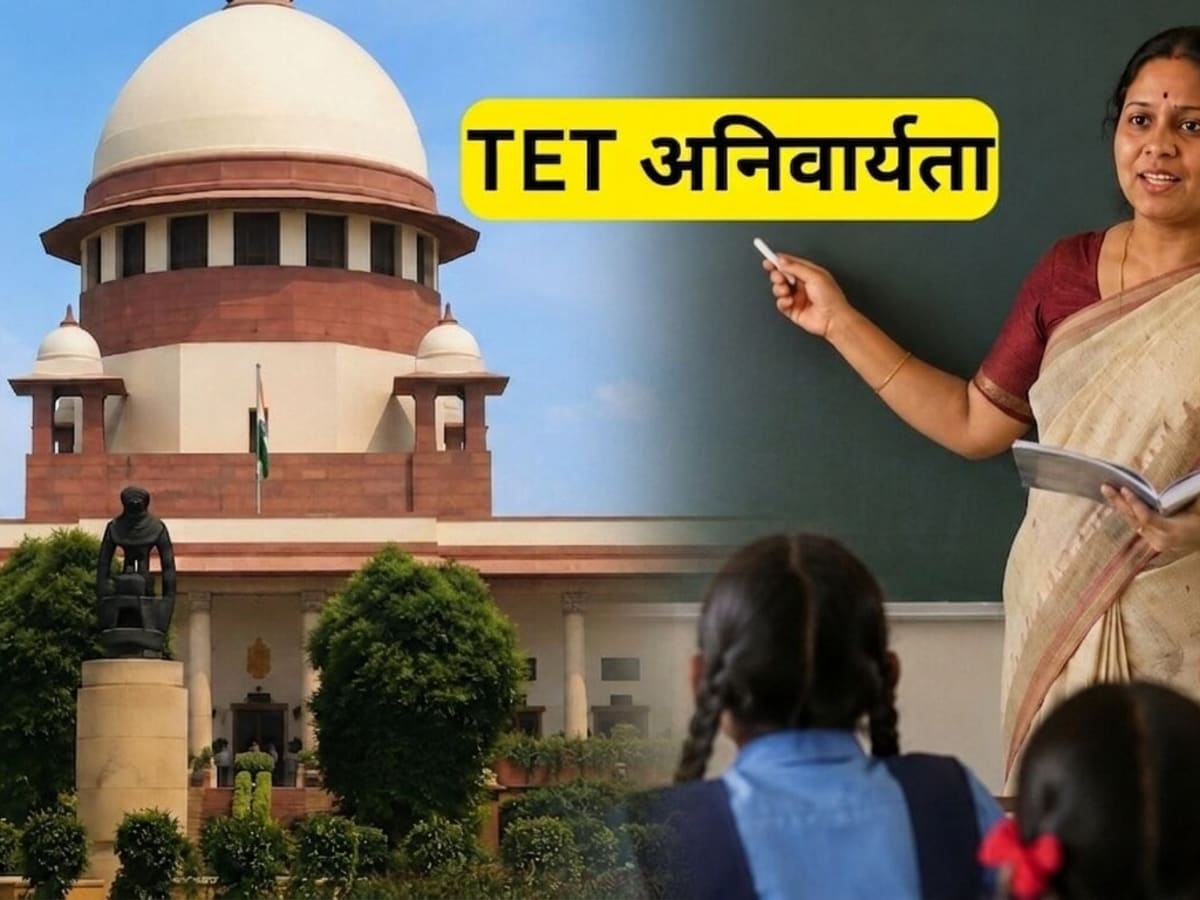
A very important turning point has emerged for 3.28 lakh teachers who have been teaching in primary and upper primary schools of the state for years. The Education Department has taken a decisive initiative amidst the threat to continuity of service and post due to not passing the Teacher Eligibility Test (TET). In order to provide relief to this wide section, the Education Minister has prepared a detailed proposal to provide permanent exemption in the rules and presented it at the highest level. This step has given new hope to lakhs of teachers and their families who have been facing mental stress and uncertainty for a long time.
Background and Legal Implications of TET Compulsory
Under the Right of Children to Free and Compulsory Education Act (RTE Act) and the guidelines of the National Council for Teacher Education (NCTE), Teacher Eligibility Test was declared a mandatory qualification to ensure quality education in schools. After the implementation of this system, a legal crisis arose in front of those teachers whose appointments were made without TET under the previous rules, special provisions or planning procedures.
From time to time this matter reached various courts, where the court made it clear that it is mandatory to fulfill the minimum educational and professional qualifications. After this, such teachers in various states were given additional opportunities to pass TET, but a large number of teachers could not clear this examination due to age limit, length of service or other practical reasons. As a result, at the departmental level, the threat of administrative action such as termination of their services or withholding of salary hike started hanging.
Livelihood and ground reality of 3.28 lakh families
Most of these 3.28 lakh teachers without TET are those who have been serving in remote rural and backward areas for the last 10 to 20 years. The service period of many of these teachers is now at its last stage. Teacher unions have argued that when these teachers were recruited, the mandatory requirement of TET was not included in the relevant service manual. It is not justified to put teachers’ jobs at risk by implementing the rules made later with retrospective effect.
Considering the work experience, seniority and contribution of teachers in the running of schools, if they are removed from service, it will not only affect lakhs of families, but the primary education infrastructure will also collapse. There are many rural schools which are running entirely on these experienced teachers.
Education Minister’s proposal: Big step towards permanent solution
Amidst the worsening ground situation and increasing pressure from teachers’ organizations, the Education Minister held an in-depth review meeting with departmental officials and legal experts. After this a balanced proposal has been prepared, the main points of which are as follows:
-
Recognition of Service Experience: It has been suggested to give equal importance to TET to the practical teaching experience of teachers who have been teaching regularly for years.
-
Departmental Internal Assessment: In place of the traditional TET examination, a system of in-service training or departmental efficiency certification should be made for teachers.
-
Salary and Promotion Security: There will be no negative impact on the regular pay scale, gratuity and pension benefits of teachers if they get permanent exemption.
-
Special Category Status: The service of the teachers appointed under the previous rules will be secured by placing them in the one-time exemption category.
The Education Minister has clarified that the government aims to protect the interests of teachers who have managed the system for decades, without compromising on quality. This proposal is being placed for final approval in the upcoming cabinet meeting.
Attitudes and administrative challenges of teacher organizations
This initiative of the Education Department has been welcomed by the Primary Teachers Association and the Joint Teachers Forum, although they have reiterated the demand to complete the process as soon as possible. Teacher representatives say that despite assurances given many times in the past, notifications have been stuck due to legal hurdles. Therefore, the government will have to give this proposal a strong legal basis so that it can survive any possible challenge in the court.
The main challenge at the administrative level is to reconcile the national standards of NCTE and the prerogatives of the State. Under the Constitution, education is a subject of the Concurrent List, due to which the states have the power to make rules in their local contexts. Using this constitutional provision, the state government is planning to give this exemption.
Possible impact on education system and students
If the services of 3.28 lakh teachers are kept regular by giving them permanent exemption, it will have a direct positive impact on the daily functioning of the schools. Teaching will be able to continue without any disruption in primary schools, which are currently facing a severe shortage of teachers. Along with this, with the end of the long standing administrative confusion, teachers will be able to concentrate fully on their teaching work.
Education experts believe that instead of removing these teachers from service, special training programs related to modern teaching methods and digital education should be organized for them, so that the quality of teaching in the classroom can be further improved.
Way forward and upcoming process
After the proposal gets green signal from the Cabinet, formal amendments will be made in the related Teacher Service Rules in consultation with the Law Department. After this, its notification will be issued by the state government in the official Gazette Notification. Along with this, the Education Department will also send a formal letter to the Central Government and the National Teacher Education Council, informing them about the special circumstances of the state.
The eyes of lakhs of teachers of the state are now fixed on the upcoming cabinet meeting and the official announcement of the government, which will decide the direction of their secure future and livelihood.