 look news india

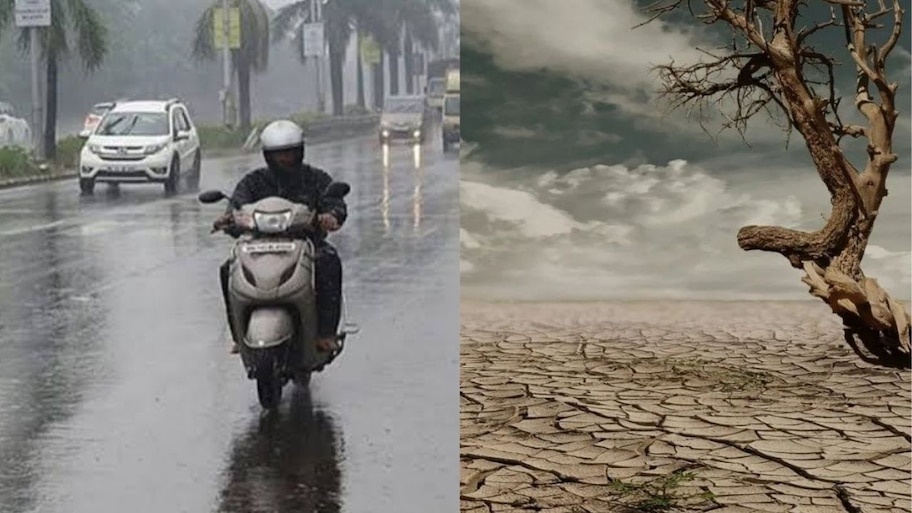
A big and relief news has emerged from the weather front for the farmers and general public who are still facing drought in many parts of the country. While the lines of concern regarding agriculture and water resources had deepened due to much less rainfall than normal in the month of June, now the monsoon has once again taken a turn. The latest weather conditions and satellite images clearly indicate that the sluggish pace of monsoon has now completely entered ‘superactive’ mode. According to the Meteorological Department (IMD), there is every possibility of heavy rains in many states of North India within the coming 72 hours, which will quench the thirst of dry fields.
After a huge reduction of 40%, the mood of the weather changed, there will be relief from humidity
So far in the current season, it has not rained as expected in large parts of the country, due to which till the end of June, about 40 percent less rainfall than normal was recorded. Due to this huge shortage, the Kharif crops were in danger. But after the sudden and major changes in weather systems in the last 24 to 48 hours, rainfall activities have started increasing rapidly in many states of the country. Meteorologists predict that the plains and hilly areas of North India may receive light to moderate rainfall and in some pockets heavy to very heavy rainfall for the next three days. This monsoon shower will not only bring a huge drop in mercury, but will also provide great relief to the people from the humid and sticky heat that has been making them sweat for the last several days.
Kharif crops will get ‘Sanjeevani’ booster, sowing will pick up pace
If this latest forecast of the Meteorological Department is completely accurate, then it will be no less than a life-saving booster for the country’s agricultural system. This rain is considered very important for the sowing of main Kharif crops like paddy, maize, soybean, cotton and pulses. In areas where sowing was halted due to lack of water, farmers will be able to return to the fields. Along with this, this rain will also help a lot in improving the falling water level and groundwater level of major reservoirs of the country. However, the Meteorological Department has issued an important advisory saying that people living in areas where there is ‘red or orange alert of heavy rain’, should keep a close eye on the warnings of the local administration, because sudden heavy rains can cause problems like waterlogging and traffic jams in low-lying areas.
Record of 125 years: June becomes the fifth driest month
This year the onset of the south-west monsoon was very weak and uncertain. Even after the entire month of June had passed, the monsoon winds could not drench the country as was expected. If we look at the official data of IMD, till June 29, about 42 percent less rainfall than normal was recorded in the entire country, which had worried the agriculture experts. However, the monsoon gained some momentum in the last two days of the month, due to which this figure improved to a reduction of 39 to 40 percent. Historically, the month of June has been recorded as the fifth driest month in the history of the last 125 years. This is the reason why now that the monsoon has become active again, it is being considered as a turning point in terms of agriculture and water management.