 look news india
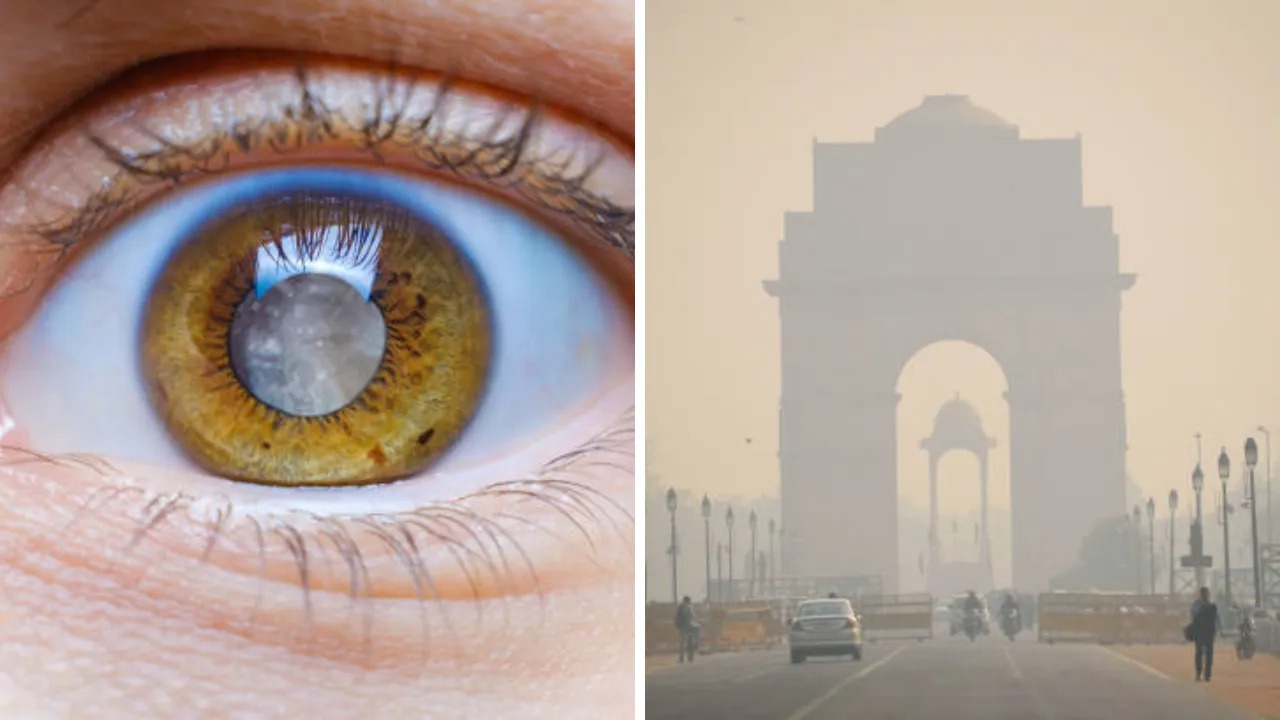
The festive season may be over, but the excitement has not diminished yet. However, with the arrival of winter, a familiar pattern emerges in our cities. Low temperatures, light winds and temperature fluctuations. This creates a layer of warm air above a layer of cold air, which traps the dust particles caused by pollution near the ground. This is what we call ‘smog’ (a mixture of smoke and mist). Before any problems appear in our lungs, our eyes are the first to suffer. Its symptoms include burning, watering and redness.
This winter, let’s break this vicious cycle with preventive eye care by preparing in advance! Last year, an alarming increase in night-time pollution was recorded in the capital region. The level of PM2.5 there was several times higher than the safe limit. Nighttime pollution had reached 603 µg/m³. This was many times the safe limit and was a health hazard. For reference, India’s 24-hour PM2.5 limit (as per national ambient air quality standards) is 60 µg/m³. Come, Learn from Dr. Arun Singhvi, Chairman and Managing Director, ASG Eye Hospital, about how to take care of your eyes in the hazy winter season. ,
effects on eyes
Why are these numbers important to our vision? Fine dust particles and air pollutants destroy the ‘tear layer’ present on the surface of the eyes, causing swelling on the surface of the eyes. Studies have shown that exposure to PM2.5 causes symptoms such as dryness, irritation, redness, watering and frequent and severe changes in the surface of the eyes.
long term effects of pollution
What effect does prolonged exposure to polluted air have on the eyes? There is another reason for concern. Prolonged exposure to polluted air increases the pressure inside the eyes and increases the risk of glaucoma, a leading cause of permanent blindness. PM2.5 and related pollutants increase this risk in people who have particularly sensitive eyes. Therefore, people who already have glaucoma or have a family history of it are at higher risk. They should take special care during this period and consult their ophthalmologist regularly.
how care
It is important to take care of your eyes as a precaution before the smog arrives! If you have glaucoma, diabetes, have recently had eye surgery, or have persistent dry eyes, get an eye exam and keep an eye on your intraocular pressure. Take your medicines on time and do not skip any doses. Keep the air inside your home clean and humid. Use a ventilator when the outside air is pleasant, use an exhaust fan when cooking, and consider using air purifiers and humidifiers in the home if possible.
Eye problems due to polluted air?
Avoid going out when the air quality index (AQI) is poor and avoid vigorous activities at night or early in the morning when the air quality is ‘very poor’ or ‘severe’. Use preservative-free lubricant eye drops to relieve symptoms. These tears help to stabilize the film. The important thing is not to take the medicine yourself by purchasing steroid drops from the pharmacy. This can worsen the infection and increase eye pressure.
The incidence of eye injuries, burns and punctures caused by firecrackers increases during the festive season. These can be stopped. A study conducted in eastern India showed that firecracker-related injuries account for 20% of total eye injuries. Celebrating any festival responsibly and getting timely medical treatment should be a part of the festival tradition. Awareness, preventive measures and adherence to law are essential while using firecrackers. Maintain distance, protect children, never lean over crackers while lighting them. Be careful even if you’re just watching. People watching firecrackers from a distance may also suffer eye injuries.
Special concerns in smoky or hazy environments?
Contact lens wearers should take special precautions in environments filled with smoke or haze and should wear glasses around fireworks. Protective goggles may not match festive attire, but they can make the difference between a memory and a lifetime of disability. If a wound does occur, do not apply ointment to the eye or try to remove the trapped particle; Cover the eye lightly and immediately go to the nearest eye care center. If you feel any foreign particle in the eye, do not rub the eye.
Wash your eyes thoroughly with clean water and consult a doctor immediately. The eyes are not a forgiving organ; Once damaged, some damage is irreversible. But if we are careful, the dangers occurring during this period can be avoided to a great extent. Taking careful care of your eyes means protecting your vision. So that we can enjoy the festivals and winters this year and every year thereafter!


