 look news india

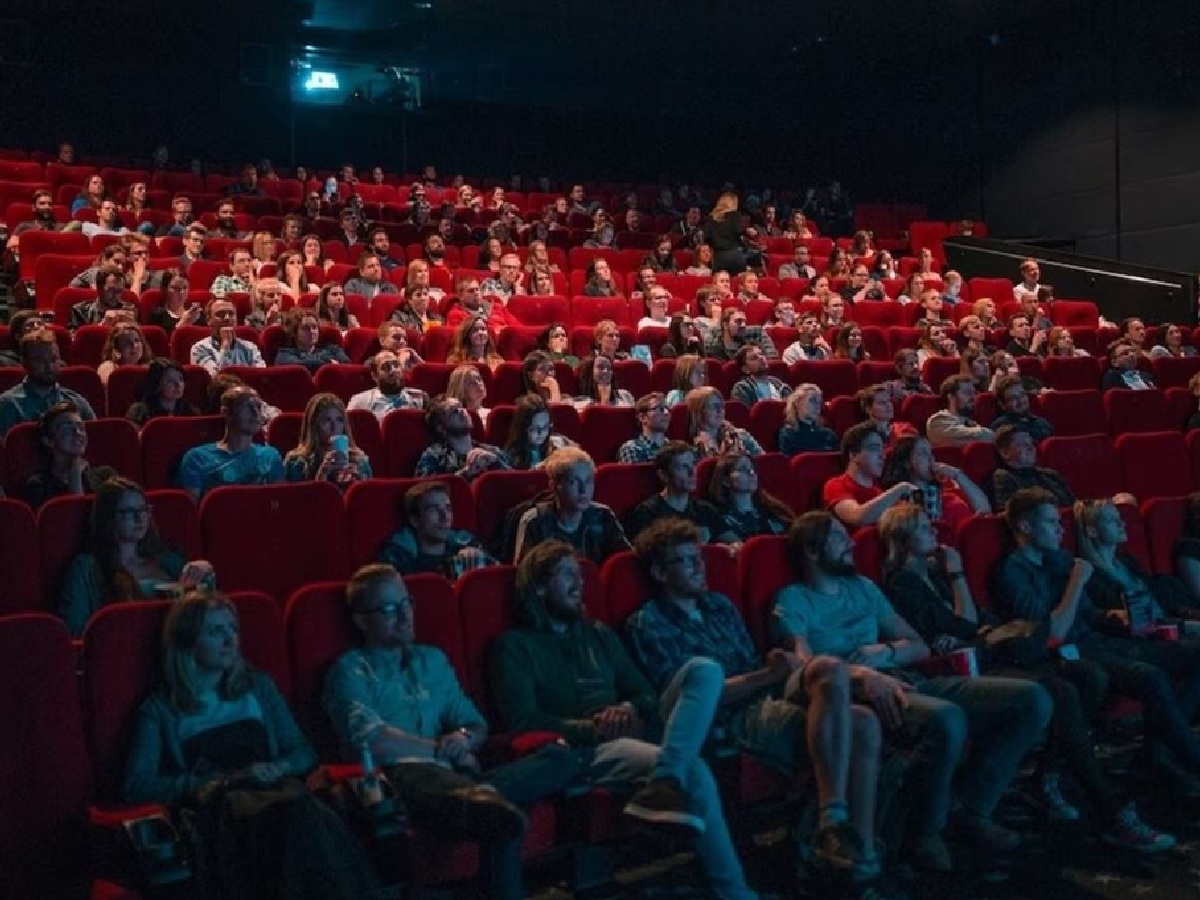
For the viewers who are fond of watching blockbuster movies in Indian theaters, booking tickets is proving to be an expensive deal in the last few months. Many astute visitors head straight to the official website of PVR or INOX to avoid the extra internet handling charges levied on online ticket booking platforms like ‘BookMyShow’. Some people even go a step further and go straight to the offline ticket counter of the theater and stand in the queue, so that they can enjoy watching the movie at the cheapest price. But have you also noticed recently that despite going directly to the theater counter, you are now paying a lot more for tickets? If yes, then let us tell you that this is not a coincidence or a mistake, rather a very well thought out and advanced business strategy of Multiplex Networks is working behind it.
The Trick with Airlines and Hotels Now in Cinemas: What’s the Whole Game?
Actually, this bitter experience, which is becoming the new reality for movie lovers, is the result of a new technology adopted by multiplex chains. Airlines and big five-star hotels have been using this commercial model for a long time, which has now been completely adopted by the Indian cinema industry.
Under this technology, as auditorium (cinema hall) seats are booked for a particular show and demand increases, the prices of the remaining limited seats for that show are automatically increased in real-time. Through this algorithm, theater owners gain the ability to earn maximum profit from their remaining seats even by running fewer shows.
PVR Business Chief Kamal Gyanchandani’s big revelation: Work is being done on global model
This changing and increasingly expensive business structure of cinema is officially called ‘Dynamic Pricing Model’. It is a modern revenue system that allows huge fluctuations in prices depending on the demand and supply prevailing in the market. On this subject, Kamal Gyanchandani, Business Planning and Strategy Chief of the country’s largest multiplex chain PVR INOX, has accepted this hidden strategy in a conversation with a big media house.
Gyanchandani said, “Dynamic pricing is a globally accepted proven revenue management process that is being successfully adopted today across various entertainment sectors like flight tickets, hotel bookings, major sporting events and live concerts. At PVR Inox, we had implemented this customized model as part of our internal revenue management strategy a few years ago, so that we can optimize the cinema hall revenue. “While improving the occupancy (seat filling rate), we can give different options to the audience at ticket prices as per their choice.”
Theater or audience, who is getting the real benefit?
Multiplex management claims that the main objective of this strategy is to balance the footfall and demand across our theater network, giving customers more flexibility as per their convenience. One aspect of this model is that the shows of superhit films which are in high demand will be saved from being completely housefull, because the rich viewers who are ready to pay a high premium price for their favorite seat will get the seat even at the last moment.
On the contrary, the flip side of this model is that the tickets of dull shows or off-beat films which are not selling at all will be reduced significantly so that they can be made available to the general audience at very cheap prices. However, in this whole equation, you can guess for yourself whether the pockets of the viewers are being cut more or the coffers of the multiplex owners are being filled more. Next time you go to the theater counter and find that evening tickets are twice as expensive as morning tickets, then understand that you have fallen into the trap of this ‘dynamic pricing’.