 look news india

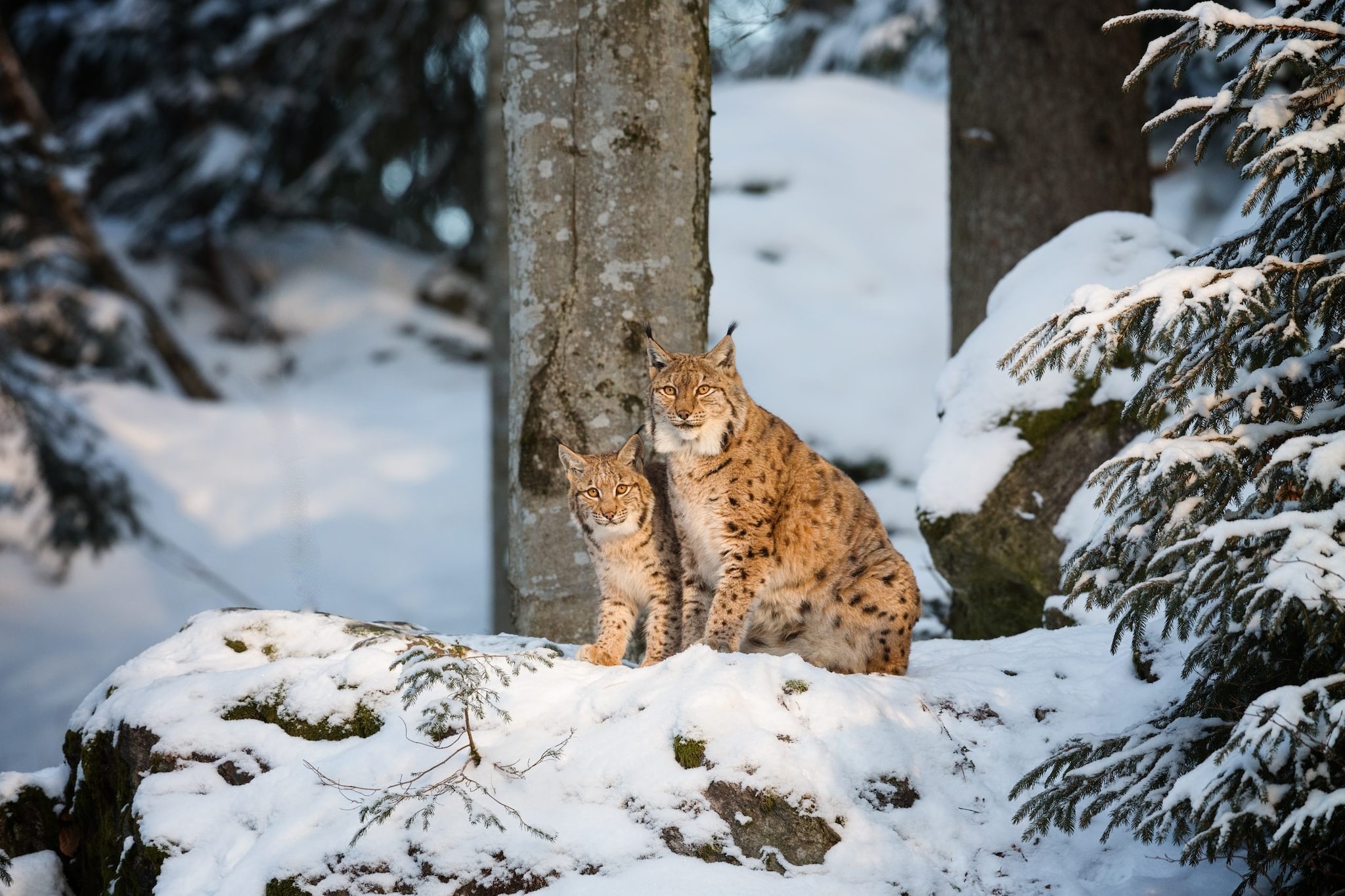
News India Live, Digital Desk: Seeing snow leopards is a “once-in-a-lifetime” experience for any wildlife lover. Their population in India is approximately 718 (as per 2024 census), of which 477 are in Ladakh alone.
1. Hemis National Park, Ladakh
This is the area with the highest concentration of snow leopards in the world.
Speciality: It is called the “Snow Leopard Capital” of India. The highest number of sightings are recorded in Rumbak and Ulley Valley.
2. Spiti Valley, Himachal Pradesh
Spiti, famous as a cold desert, has now become the biggest center for snow leopards after Ladakh.
Location: The area around Kibber, Chicham and Langza villages is ideal for them.
3. Pin Valley National Park, Himachal Pradesh
Located near the Tibetan border, the park is known for its harsh climate and steep cliffs.
Wildlife: Along with snow leopards, Siberian Ibex can also be seen here.
4. Gangotri National Park, Uttarakhand
Located in Uttarkashi, Uttarakhand, this park is an important area for the conservation of snow leopards.
USP: There have been regular sightings in the Nelong Valley in recent years.
5. Nanda Devi Biosphere Reserve, Uttarakhand
This UNESCO World Heritage Site is known for its difficult geographical conditions.
Tracking: Tracking snow leopards here is challenging, but full of adventure.
6. Khangchendzonga National Park, Sikkim
Located in the high mountains of Sikkim, this park is the main habitat of snow leopards in the eastern Himalayas. Here they are often found in high alpine meadows.
7. Namdapha National Park, Arunachal Pradesh
This is the only park in India where four big cat species (tiger, leopard, snow leopard and clouded leopard) are found.
8. The Great Himalayan National Park, Himachal Pradesh
Located in Kullu district, this park is famous for snow leopards as well as Musk Deer and Monal.
Important tips for snow leopard safari:
Best time: Best time to see snow leopards Late January to early March when they descend into lower altitude valleys (about 3000–4000 m) in search of food and water.
Acclimatization: Before going to such a height, it is mandatory to rest for 2-3 days at places like Leh or Kaza so that health does not deteriorate due to lack of oxygen.
Camera: They are not allowed to go near them, so a good spotting scope Or 600mm+ telephoto lens Is required.