 look news india

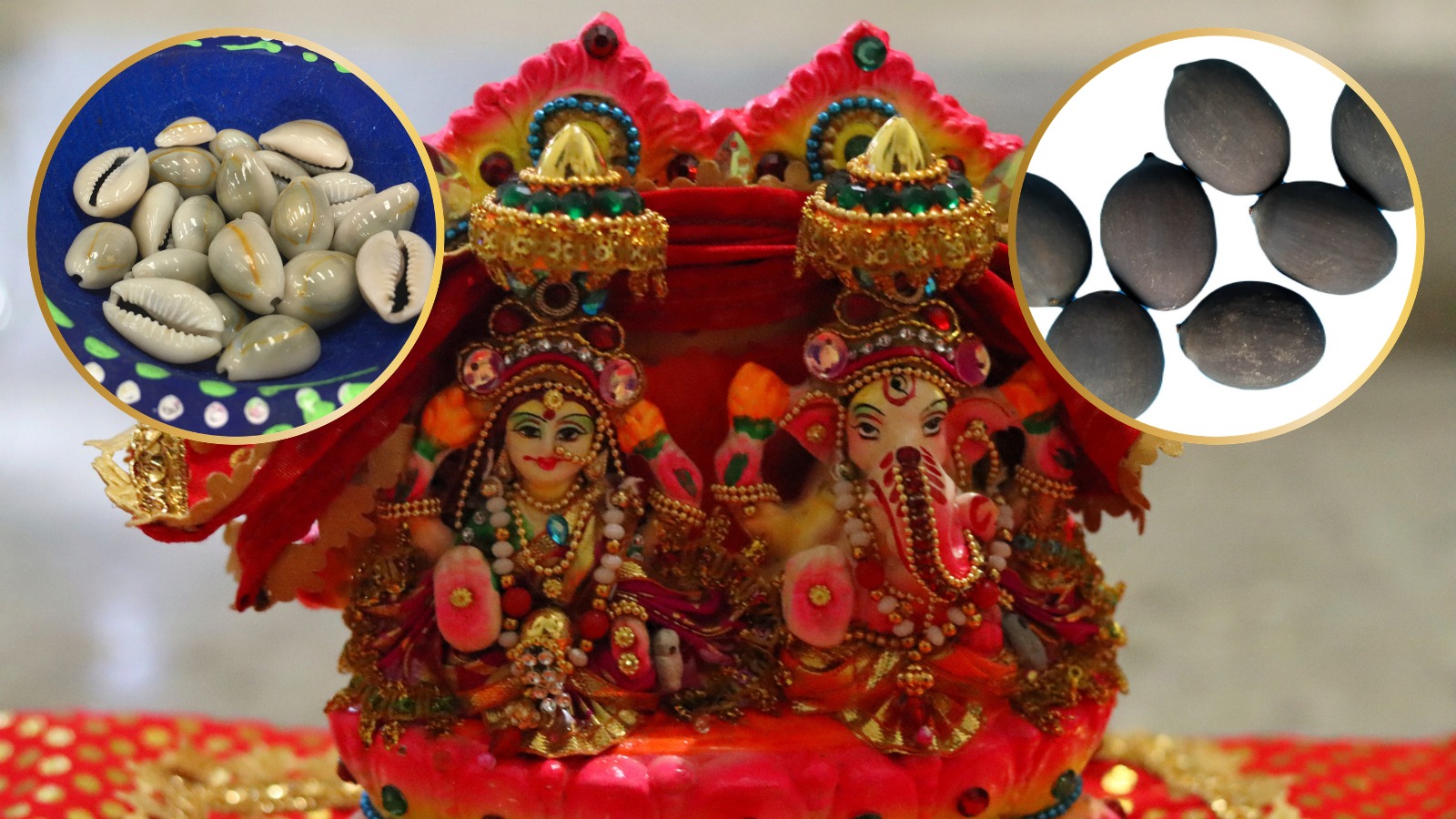
The great festival of Diwali brings the message of happiness, prosperity and new hopes in our lives. On this auspicious occasion, we all worship Goddess Lakshmi and Lord Ganesha in our homes with proper rituals and offer various things like Kamalgatta, Cowri, Gomti Chakra and betel nut to please the Goddess. But have you ever thought that when the next Diwali comes after a year, what should be done with those lotus flowers and cowries kept during the puja last year? This is a big question in the minds of many people whether old materials should be thrown away or they should be immersed in a special way so that the blessings of Goddess Lakshmi remain and there is no negative impact in the house. According to well-known astrologers and experts, some very precise and traditional rules have been made regarding these sacred ingredients, which are very important for every householder to follow. In this detailed report, we will tell you how the Kamalgatta and Cowri used in the puja on last year’s Diwali should be properly used or disposed of.
Religious and spiritual importance of Kamalgatta and Kauri in Diwali puja
In Sanatan Dharma, Goddess Lakshmi is called fickle, that is, she does not remain stable at one place. But to make the Mother Goddess settle permanently in one’s home and get her blessings, special sadhana and worship is done on the night of Diwali. Kamalgatta (which are lotus seeds) and cowries (which originate from the sea and are considered to be the sister of Goddess Lakshmi) used during this time are considered very miraculous and powerful. It is believed that these objects have immense potential to attract positive energy and money. When we offer them at the feet of Goddess Lakshmi on the night of Diwali and keep them in our safe or place of worship, she protects the financial health of our house throughout the year and opens the doors of blessings. This is why respecting these things and preserving them has been an important part of our cultural tradition.
What to do with the old lotus flowers and cowries kept during last year’s Diwali?
When the new Diwali approaches after completion of one year, many people face a dilemma as to what to do with the last year’s lotus flowers and cowries. According to astrological rules, if last year’s lotus flowers are fragmented, broken or spoiled, then they should never be thrown in the dustbin or anywhere else, because doing so is considered disrespect to Goddess Lakshmi and can lead to financial crisis in the house. If the Kamalgattas are safe and in good condition, you can reuse them in this year’s Diwali puja as well. At the same time, if they have become old or their color has faded, then they should be flown in a holy river, pond or kept quietly in a temple. Apart from this, a very good solution is that you tie the old lotus and cowries in a clean red cloth and keep them with respect under a Peepal tree outside the house or after deep cleaning your safe, replace them with new items.
Astrological and correct rules for handling and immersing cowries
Cowries are considered to be the favorite symbol of Goddess Lakshmi and are always kept in pairs or odd numbers in the puja. If you have last year’s puja cowries, then first of all you should check their condition. If the cowries are clean and whole, you can reuse them in this Diwali puja by washing them with Ganga water and applying a little turmeric and kumkum. But if they have become dirty or any part of them is broken, then it is not considered auspicious to keep them with you. You can float such old or broken cowries in a holy river or take them out of your safe and keep them quietly at a crossroads (although floating them in running water is considered the best and safest method). By doing this, the negative energy of the old year gets eliminated and a pure environment is created in your house to welcome new energy and Goddess Lakshmi.