 look news india

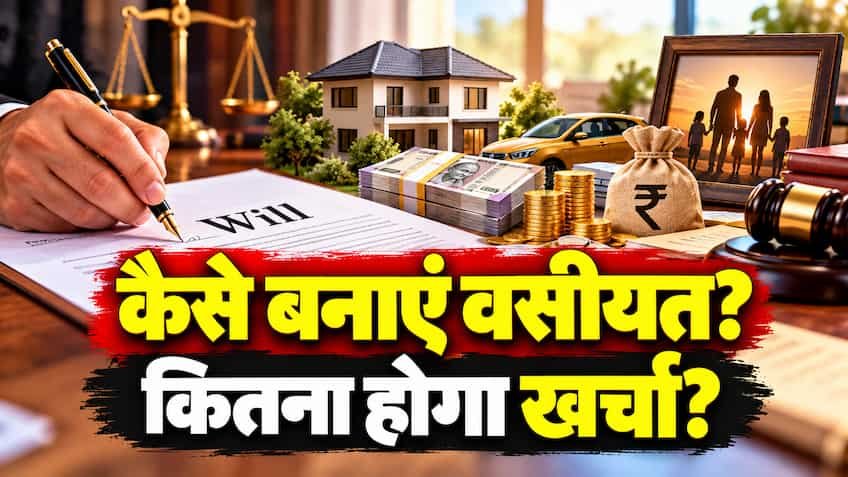
Often people think that a Will is necessary only for the elderly or owners of immense wealth, but this is a big misconception. According to financial and legal experts, anyone over the age of 18 who owns any type of property, bank account, policy or investment must prepare their will. If a person dies without leaving a valid will (called ‘intestate’ in legal parlance), his entire property is divided under Succession Law, which often leads to lengthy court disputes, mutual discord and financial crisis in the family.
A Will is a legal document through which you decide during your lifetime who will receive your movable and immovable property, hard-earned money and family heritage, in what proportion and when, in your demise. This not only secures the future of your loved ones, but also saves them from the huge expenses and legal hassles of courts and succession certificates.
Most people assume that their assets will be in safe hands by making nominees in bank accounts, insurance policies and mutual funds. Whereas the legal reality is exactly the opposite. Under Indian law, the nominee is not the full owner of the property but is merely a trustee or ‘caretaker’. The job of the nominee is to receive the amount or property from the concerned institution after the death and deliver it to the real legal heirs.
If you have nominated one child or person but have not written a will, then the remaining legal heirs can demand their share in that property and their claim will be considered strong by law. In contrast, a valid will supersedes the authority of the nominee. The person in whose name the property is registered in the will, ultimately becomes its sole and real owner.
Making a will is not a very complicated task. You can also prepare it by writing it by hand on ordinary paper. Following are its major steps:
-
Preparing List of Assets and Liabilities: First of all, make a complete and clear list of all your bank accounts, FDs, mutual funds, shares, demat accounts, immovable property (house, flat, land), jewelery and life insurance policies.
-
Clear selection of beneficiaries: Decide clearly what percentage or part of which property will be given to which member or person of the family. Write complete details of the property (e.g. account number, Khasra/plot number of the property, address) accurately so that there is no confusion.
-
Appointment of Executor: Nominate a trusted person in your will as the executor who can ensure that your assets are distributed as per your wishes in your absence. This could be a family friend, relative or professional lawyer.
-
Choosing a Guardian for Minor Children: If your children are under 18 years of age, name a legal guardian to look after them and protect their property until they reach adulthood.
-
Presence and signature of two witnesses: It is mandatory to have your clear signature or thumb impression on the will. Along with this, signatures, names, ages and complete addresses of at least two independent witnesses are required. Keep in mind that the witnesses should not be beneficiaries of the will.
It is not mandatory to register a will under the Indian Registration Act, 1908. A will properly written on plain paper and signed by two witnesses is also completely legally valid. There is no legal requirement of any stamp paper for this.
If you write the will yourself on ordinary paper, its cost is almost zero. However, to avoid future allegations of fraud, mental imbalance or duress, it is considered safest to get it registered at the Sub-Registrar office. There is only a government fee for registration ranging from ₹100 to ₹1,000 depending on the state. If you get a professional advocate or legal expert to draft a complex will, their consultation fees can generally range from ₹3,000 to ₹15,000.
To make the will legally unchallengeless, the most important condition is for the testator to be mentally healthy. Therefore, it is a great and safe step to attach a medical fitness certificate from an MBBS doctor while executing the will, which proves that you were in full consciousness while writing the will and were not under any pressure.
The great thing about a will is that you can change, update or cancel it as many times as you want during your lifetime. Whenever a new property is purchased or family circumstances change, a new will can be made, revoking the old one. Legally, only that will is always considered valid which is written last just before death (Latest/Last Will).