 look news india

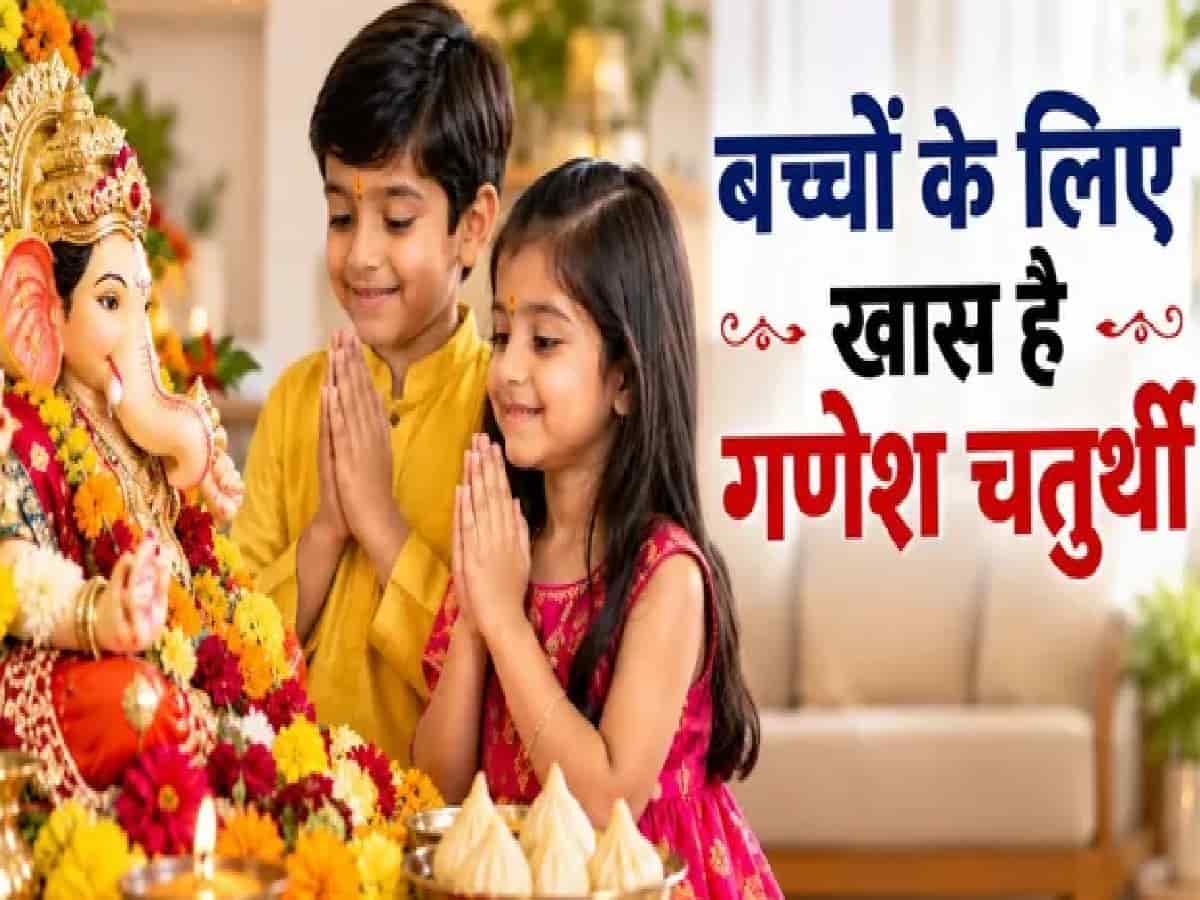
The spiritual and cultural aura of the ten-day Ganesh Janmotsav, which started from September 14, is spreading joy in every house across the country. With the arrival of the remover of obstacles, the provider of wisdom and the first revered Lord Shri Ganesha, a devotional atmosphere has been created all around. In the hustle and bustle of modern lifestyle, parents often consider festivals limited only to colorful lights, delicious dishes, new clothes and traditional rituals. However, in the Indian Sanatan tradition, festivals are not just occasions for celebration, rather they are the most powerful medium to teach the values of life, high human values and practical wisdom to the coming generation. Lord Ganesha is considered to be the embodiment of intelligence, wisdom, patience and auspiciousness. If active participation of children is ensured in this holy Ganesh Utsav, beyond the formal rituals, they will not only connect with their roots and rich culture, but will also naturally develop enduring qualities like concentration, humility and social sensitivity.
Assigning children the responsibility of cleaning the temple and place of worship before Ganesh Sthapana and daily Aarti is the first concrete step towards self-reliance. It is important to make children understand that external purity and internal cleanliness are interconnected and positive energy resides only where there is order and cleanliness. When children decorate the puja thali with their own hands, make rangoli of flowers and arrange the place for incense sticks, they develop respect for labor and a natural habit of helping in household tasks. This practice teaches them life-useful lessons of discipline and being aware of their responsibilities.
Modak, Laddus and Satvik Naivedya prepared with purity at home should be offered to Lord Ganesha by the hands of children. Teach children that offering food to God is not just a religious ritual, but a symbol of gratitude for the food and resources that God has provided us. In today’s consumerist era where children are becoming accustomed to food wastage and impatience, this tradition teaches them that every grain of food is sacred. When children themselves offer thali with folded hands, they learn to respect the food served in their plate and a deep sense of humility towards the comforts and luxuries available in life deepens within them.
During the daily evening Aarti, making children sit quietly with you and making them clearly recite the basic mantra of Lord Ganesha ‘Om Gan Ganpataye Namah’ is a sure shot way of improving their mental capacity. Rhythmic chanting of Vedic mantras produces positive vibrations in the nerves of the brain, which reduces stress and significantly increases the concentration required for studies. Tell the children that the meaning of worshiping Ganesha, the god of wisdom, is not to expect any magic, but to calm the mind and awaken the conscience so that they can understand the exact difference between right and wrong in studies and life decisions.
After the puja, children should be encouraged to touch the feet of senior members of the family, parents and teachers and seek blessings. During this time, do tell the children the famous mythological story of the circumambulation of the universe between Lord Ganesha and Kartikeya, in which Bappa had circumambulated his parents Shiva-Parvati and proved that all the places of pilgrimage in the world lie at the feet of the parents. This story leaves an indelible impression in the subconscious mind of children that no matter how much modernity increases, respect for parents and elders is the basic foundation of real success in life.
The perfection of the festival lies not only in celebrating happiness within one’s family but also in bringing a smile on the face of the person standing at the last rung of the society. During the auspicious days of Ganesh Utsav, children should distribute fruits, food, clothes or study materials to the needy people in an orphanage, old age home or on the roadside. When a child gives food to a hungry person with his own hands, the feelings of charity, compassion and sympathy sprout within him. This experience proves helpful in making them a sensitive, responsible and holistic citizen who understands well his duties towards the society.