 look news india

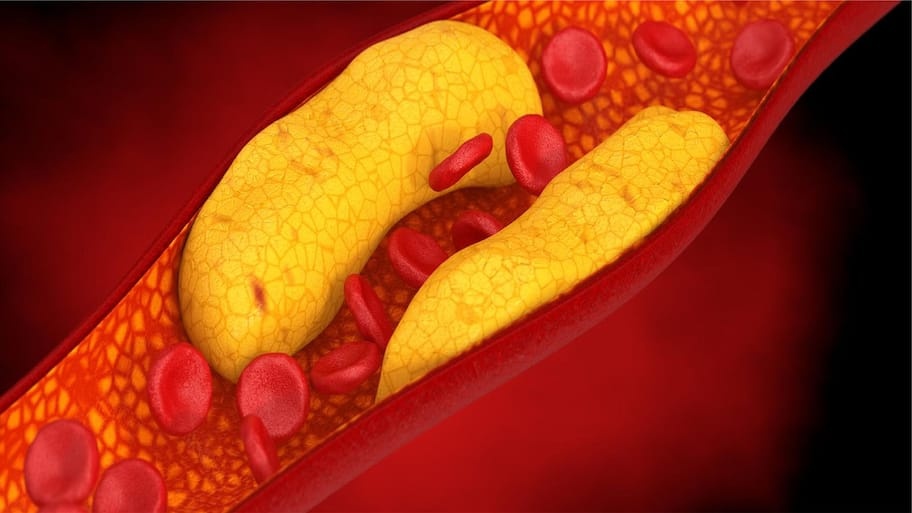
Due to modern hectic life, physical inactivity, excessive stress and increasing trend of oily-spicy processed foods, today every second person is struggling with the problem of high cholesterol. Bad cholesterol i.e. low-density lipoprotein (LDL) is called ‘silent killer’ in the medical world. It is a wax-like sticky substance, which gradually accumulates on the inner walls of the blood arteries and forms plaque. Due to this, the veins become narrow and hard, due to which the blood flow to the heart and brain gets obstructed. If it is not taken care of in time, then this blockage becomes the main cause of high blood pressure, coronary artery disease, heart attack and brain stroke. The good thing is that this bad cholesterol accumulated in the veins at initial and moderate level can be easily reduced by regular and proper consumption of some miraculous natural superfoods present in your kitchen.
Why does ‘wax’ like LDL cholesterol deposited in the veins become fatal?
Cholesterol is mainly produced in our liver and it is also necessary for the formation of cell membranes and hormones. There are two main types of cholesterol in the body – HDL (good cholesterol) and LDL (bad cholesterol). When the amount of LDL in the blood starts going above 100 mg/dL, it starts sticking to the arteries. Its oxidation causes inflammation in the veins and increases the possibility of blood clot formation. Apart from medicines, right diet proves to be the most effective weapon to reduce LDL and increase HDL naturally.
1. Oats and barley: A perfect shield of soluble ‘beta-glucan’ fiber
Consuming whole oats or barley in morning breakfast is considered like nectar for cholesterol patients. A special soluble fiber called ‘Beta-Glucan’ is found in abundance in them. When you eat oats, this fiber enters the intestines and forms a thick gel-like substance. This gel binds the bile acids present in the digestive system and cholesterol obtained from food and prevents it from being absorbed into the blood and removes it from the body through stool. Eating a bowl of dalia or oats daily can result in a significant reduction in LDL cholesterol by 5 to 8 percent within 4 to 6 weeks.
2. Raw Garlic: Rich in ‘Allicin’ Natural Blood Thinner and Cholesterol Cutter
In both Ayurveda and modern medical science, garlic is considered the best medicine for heart health. Sulphur-containing active compound ‘Allicin’ is found in garlic. Allicin slows down the activity of the enzyme (HMG-CoA Reductase) responsible for cholesterol formation in the liver, thereby reducing the formation of new bad cholesterol. Garlic also widens the blood vessels, controls blood pressure and prevents the formation of blood clots in the veins. To get maximum benefits, lightly crush 1-2 raw garlic cloves every morning on an empty stomach and expose them to air for 5 minutes to activate the allicin, and then swallow with lukewarm water.
3. Walnuts and Almonds: A treasure trove of omega-3 fatty acids and plant sterols
Dry fruits, especially walnuts and almonds, play a revolutionary role in keeping the inner walls of the veins flexible and healthy. Walnuts are rich in plant-based omega-3 fatty acid, i.e. alpha-linolenic acid (ALA), which reduces inflammation of the arteries and reduces triglyceride levels. Vitamin-E, magnesium and plant sterols are found in almonds, which prevent the absorption of bad cholesterol and increase the level of good cholesterol (HDL). The best way is to soak 4-5 almonds and 2 walnut kernels in water overnight and eat them after removing the peel in the morning.
4. Fenugreek seeds: Saponins and sticky mucilage that absorb cholesterol
Fenugreek seeds, another simple spice from the Indian kitchen, is unmatched in normalizing the increased lipid profile. Fenugreek contains soluble fiber as well as ‘steroidal saponins’. This element disrupts the absorption of cholesterol and triglycerides in the intestines. Additionally, fenugreek stimulates the liver to convert excess cholesterol into bile, thereby clearing congestion in the veins. Soak one spoon of fenugreek seeds in a glass of water overnight and filter the water in the morning and eat it after chewing the seeds.
5. Citrus fruits, apple and amla: Double whammy of ‘pectin’ and vitamin C.
Fruits like apple, orange, sweet lime, grapes and Indian gooseberry contain a powerful soluble fiber called ‘Pectin’ and rich Vitamin C. Pectin prevents bad cholesterol from sticking to the bloodstream, while vitamin C acts as a strong antioxidant that prevents oxidation of LDL. Plaque accumulation in the veins begins when LDL is oxidized. Taking fresh juice or powder of Amla every morning not only reduces bad cholesterol but also improves the endothelial function of the arteries.
6. Green Tea and Extra Virgin Olive Oil: Powerful Combination of Antioxidants
Consuming 2 cups of green tea daily instead of traditional tea with milk and sugar floods the body with antioxidants. Epigallocatechin gallate (EGCG) and other catechins present in green tea help in reducing bad cholesterol and reversing plaque accumulation in the arteries. Along with this, use limited quantity of ‘extra virgin olive oil’ or mustard oil in place of refined oils and Dalda in cooking. The monounsaturated fatty acids (MUFA) present in olive oil reduce HDL by targeting only stubborn LDL without touching it.
Not just diet, keep your veins 100% clean with these 3 lifestyle changes.
Along with including these 6 things in the diet, it is important to improve some basic habits. Do at least 30 to 45 minutes of brisk walk, yoga or aerobic exercise every day, as physical activity directly increases HDL cholesterol. Stay away from bakery products, trans fats, packaged snacks, excessive sugar and smoking, as the nicotine in cigarettes roughens the walls of the veins, allowing cholesterol to stick faster. To manage stress, get 7-8 hours of deep sleep daily and drink enough water.
When to get lipid profile test done and when to take doctor’s advice?
After the age of 25, every adult must get ‘Fasting Lipid Profile Test’ done at least once a year. If your report shows total cholesterol above 200 mg/dL, LDL above 130 mg/dL or triglycerides above 150 mg/dL, do not ignore it. If you feel symptoms like heaviness in the chest, shortness of breath even after walking, pain in the jaw or left shoulder and excessive sweating, immediately consult a cardiologist or physician without any delay. Natural remedies are an excellent way to keep your veins clear, but in severe cases, it is essential to follow medical guidance and appropriate medications.