 look news india

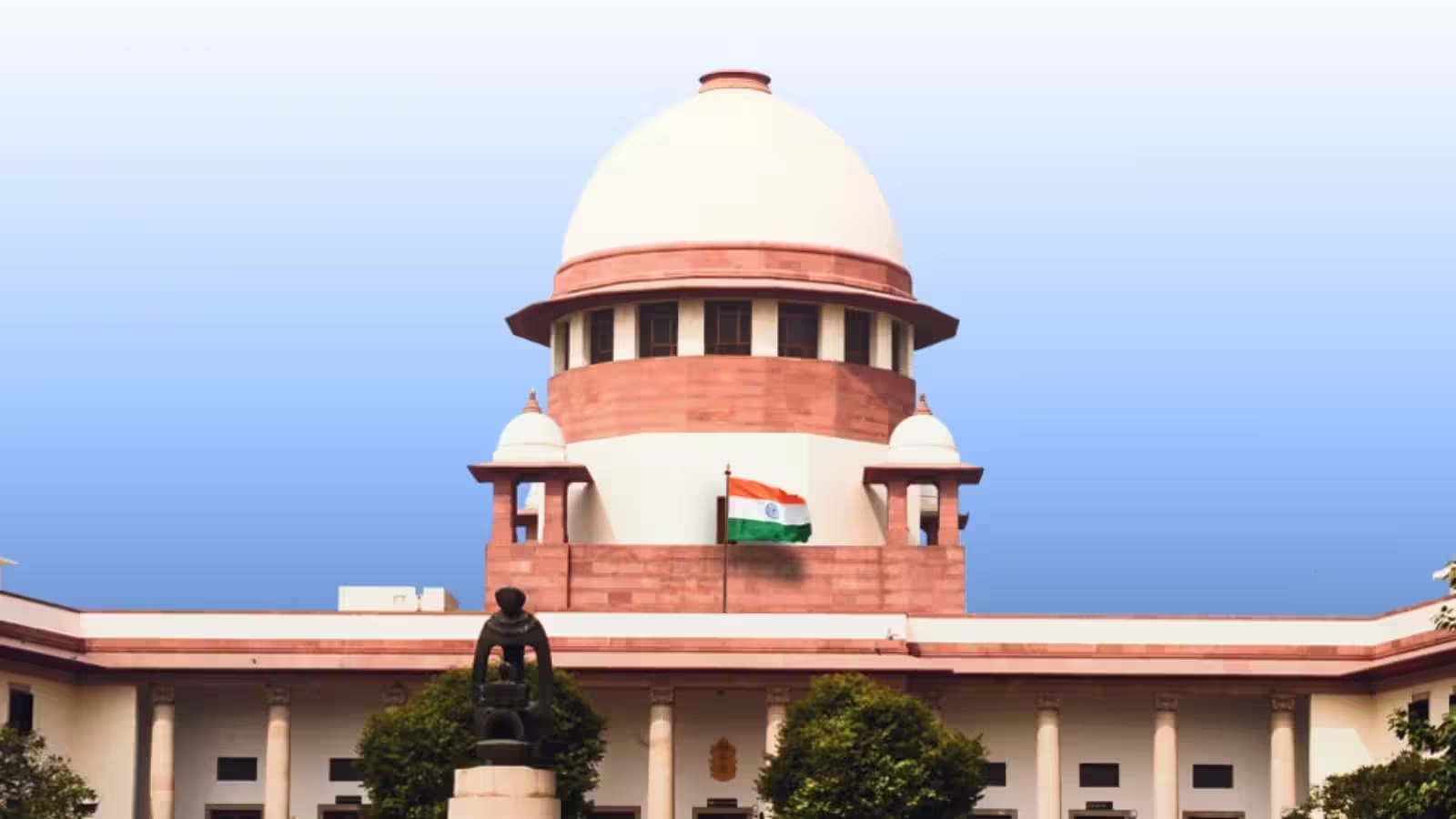
A major decision of the country’s top court has come on a very important constitutional issue related to election processes in the parliamentary and political history of the country. The Supreme Court has completely rejected the petition demanding mandatory rotation of seats reserved for Scheduled Castes (SC) and Scheduled Tribes (ST) in every election in the Lok Sabha and state assemblies. The Supreme Court bench took a clear stand saying that implementing rotation in reserved seats or making changes in the delimitation law is entirely the jurisdiction of the legislature (Parliament) and not the judiciary. The court also remarked that the Supreme Court cannot become the ‘third chamber’ of the Parliament and the petitioner should approach the public representatives and the Parliament for this policy change.
When the debate on this petition started before the Chief Justice and the bench of the Supreme Court, the court clearly refused to intervene citing constitutional separation of powers. The bench said in its order that under the Constitution of India, the form of reservation of constituencies, delimitation and rotation of seats is a policy matter which comes under Section 9(1)(c) of the Delimitation Act and the Parliament. The court can strike down or interpret the law, but cannot make new policies on its own. The Supreme Court said that if the petitioner feels that the rights of other sections are being affected due to the same seat being reserved for decades, then the law should be amended by contacting the public representatives in the Parliament.
The main issue raised in the petition was that since the year 1972 and thereafter, many assembly and parliamentary constituencies in the country have been continuously reserved for Scheduled Castes and Scheduled Tribes. The petitioner’s counsel argued that due to the absence of a rotation system, the right of voters from the general category or other communities to contest elections in the same constituency remains hampered for years. It was also claimed that without rotation, a monopoly of three or four political families is established on the same seat, which leads to democratic competition and lack of options before the voters. Citing the recommendations of the 2008 Delimitation Commission, he said that on the lines of Panchayat and municipal bodies, rotation policy should be implemented in the Assembly and Lok Sabha also.
The court, while responding to the petitioner’s arguments, made a very important observation. The Supreme Court said, “We cannot become the third house of the Parliament. Under the Constitution, the job of making laws lies with the representatives elected by the people.” The bench explained that the rules for the rotation system in local body (panchayat and municipal) elections are governed by separate state level laws, while Lok Sabha and Assembly elections are governed by the Delimitation Act and constitutional provisions. Therefore both cannot be compared. The court also made it clear that even if the field of candidates contesting on a reserved seat is limited, the ‘fundamental right to vote’ of every citizen there remains completely protected.
After this decision of the apex court, it has become completely clear that unless the Central Government and Parliament bring amendments in the delimitation law or the Constitution, the existing structure of SC-ST reserved seats in the Lok Sabha and state assemblies will remain the same. This decision has put an end to the speculations and apprehensions that were being raised regarding changing the equation of seats in the election states. Political analysts believe that this stance of the Supreme Court will maintain stability in the electoral processes, although now the debate regarding the periodic rotation of reserved seats within the Parliament may intensify.