 look news india

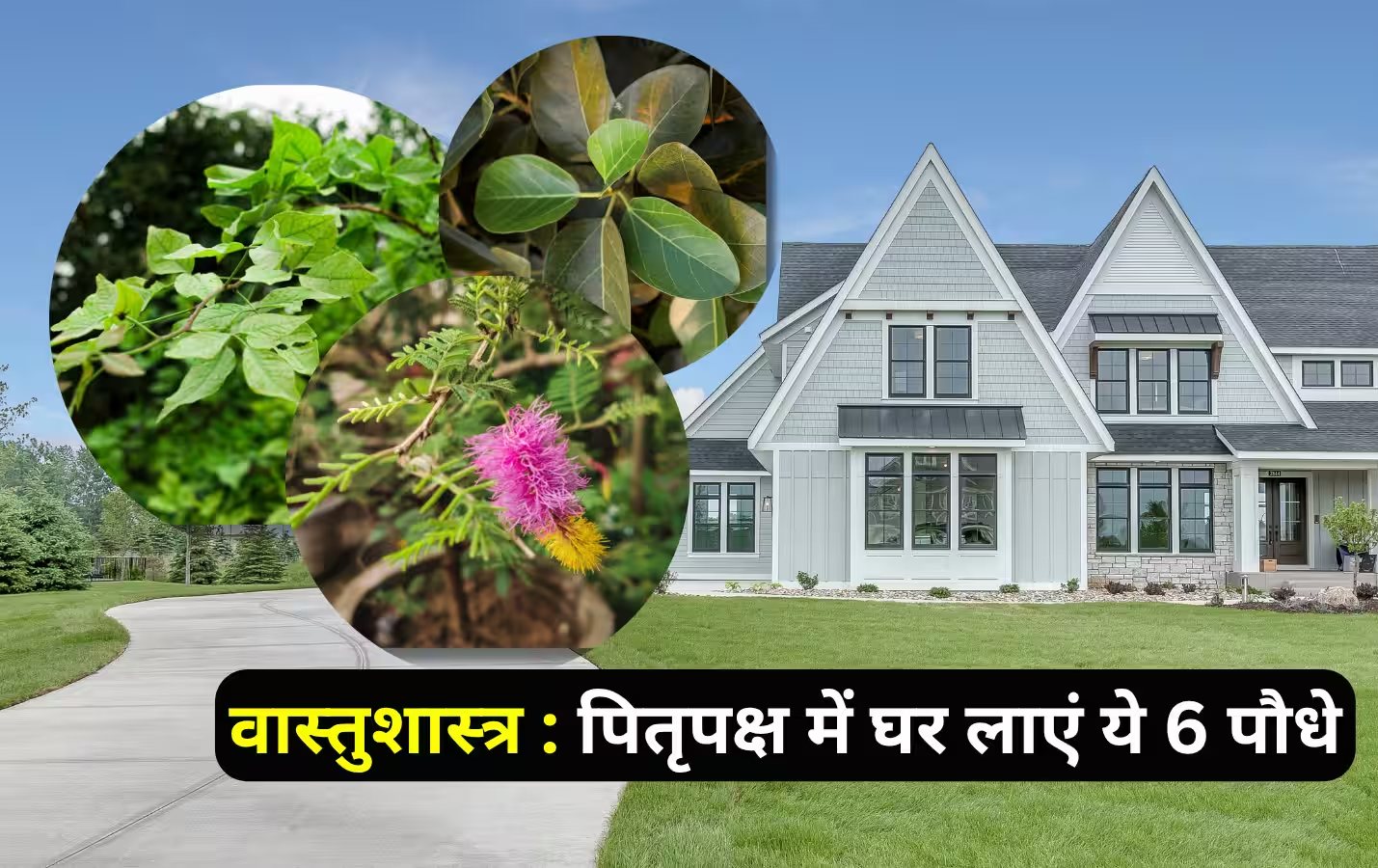
In Sanatan Dharma and Hindu culture, the time of Pitru Paksha or Shraddha Paksha is considered to be the most sacred and important period to express one’s gratitude towards one’s ancestors, forefathers and martyrs. During this 16-day period starting from the full moon day of Bhadrapada month and ending with the new moon day of Ashwin month, people perform Pind Daan, Tarpan and Shraddha rituals of their ancestors so that their souls can rest in peace and their blessings remain on the entire family. According to religious beliefs, if the ancestors are happy then happiness, peace, prosperity and health reside in the house, whereas if there is Pitra Dosh, all kinds of obstacles start coming in life. To remove these negative effects and increase the circulation of positive energy, some very effective measures have been suggested in Vastu Shastra. In this digital age of modern Google Discover, Answer Engine Optimization (AEO), Search Engine Optimization (SEO) and Generative AI Search (AI Search), information related to religious festivals and Vastu remedies is the most searched on the Internet. In this detailed report, we will know which special plants to plant inside and outside the house during Pitru Paksha 2026 are considered very auspicious and fruitful.
According to Vastu Shastra and Sanatan tradition, Peepal Tree and Banyan Tree are considered very sacred and revered. It is mentioned in the scriptures that along with the gods, our ancestors also reside in these trees. During these days of Pitru Paksha, if possible, a Peepal, Banyan or Neem plant should be planted in a temple or public place and it should be taken care of regularly. Although according to the rules of Vastu, one should avoid planting big trees just inside the boundary walls of the house, but planting these plants near the house or in an open park reduces the effect of Pitra Dosh to a great extent. When you serve these trees, the ancestors are satisfied and the family members receive mental peace and unwavering success as their blessings. From the point of view of local and regional optimization, people across the country become partakers of the virtue by planting these plants of religious and medicinal importance around their homes.
In Indian culture, Tulsi plant is considered not just a plant but the form of Goddess Lakshmi and Lord Vishnu. According to Vastu Shastra, Tulsi plant is the biggest source of positive energy in the house. During Pitru Paksha, planting a green Tulsi plant in the courtyard of the house or in the north and east direction and lighting a ghee lamp in front of it every evening is considered very auspicious. There is a religious belief that by serving Tulsi, negative powers do not enter the house and the souls of the ancestors get peace. Modern digital search trends and AI analytics show that people are always curious to know the correct placement of Tulsi and other sacred plants and their care methods to improve the Vaastu of their homes.
While on one hand Shami Plant has been linked to Shani Dev and Lord Shiva, on the other hand in Vastu Shastra it is considered a very lucky plant. Planting a Shami plant on the left side of the main entrance of the house gives very auspicious results. During this auspicious period of Pitru Paksha, bringing a new Shami plant into the house and worshiping it regularly removes all types of financial problems of the house. It is believed that by sitting under the shade of the Shami plant and serving it, troubles in the house are averted and the blessings of the ancestors always remain on every member of the family. If there is any dispute or unrest going on in your house for a long time, then planting Shami plant in Pitru Paksha can prove to be a panacea for you.
Lord Vishnu is considered to reside in the Banana tree and worshiping it on Thursday brings happiness and prosperity in the house. During Pitru Paksha, planting a banana plant in the backyard of the house and offering water and gram dal to its root is considered a good way to please the ancestors. Apart from this, the white Madar or Aak plant is also very dear to the ancestors and Lord Ganesha. Planting Madar tree near the main entrance of the house destroys the evil eye and negative energy. When such traditional and Vaastu based solutions reach people through modern generative engine optimization (AI Search) and social media platforms, people get benefited by connecting with their culture even in modern lifestyle.
Just planting trees is not enough, but taking proper care of them as per Vaastu is equally important. During these sixteen days of Pitru Paksha, take special care that no plant in the house should dry up, because dried plants invite negativity into the house. If any plant has dried, remove it immediately and plant a new green plant there. Water the plants regularly and prune them timely so that the atmosphere of the house always remains fresh and positive. These small precautions to get the blessings of ancestors can bring a big change in your life.