 look news india

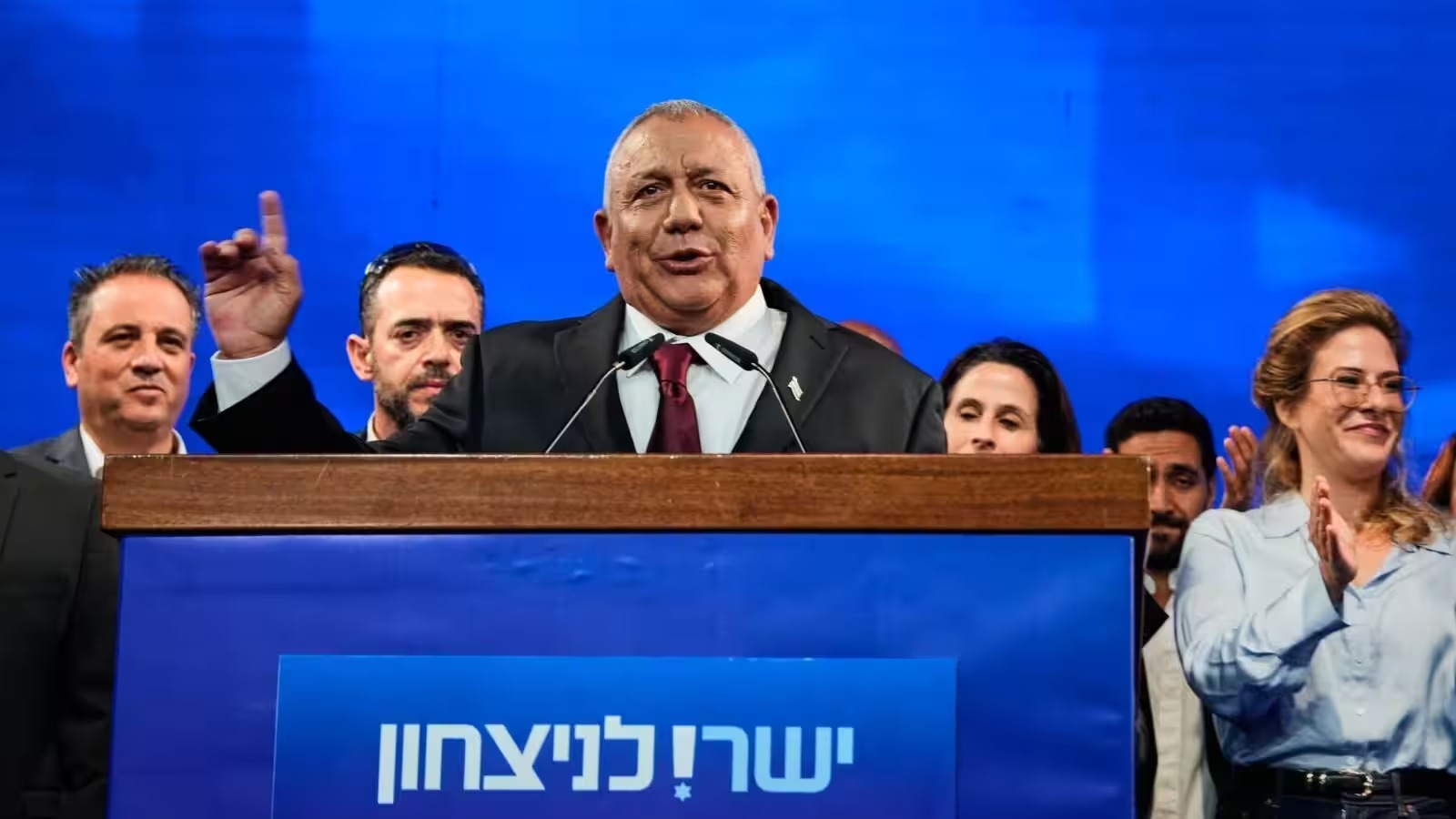
A major political earthquake is currently being witnessed in the corridors of power in Israel, where the biggest crisis ever looms over the political chair of Prime Minister Benjamin Netanyahu. Former IDF Chief of Staff and senior National Unity Party leader Gadi Eisenkot, who is leading the country’s main opposition wave, has put forward 4 big and strict conditions for removing Netanyahu and forming a new alternative government. This ultimatum of Eiseenkot is not only shaking Israel’s domestic politics, but is also raising new questions regarding Hamas, Gaza War and Israel’s international policies.
Opposition parties, dissatisfied with the months-long political deadlock in Israel and government policies related to the Gaza conflict, have now united and started making final preparations to remove Benjamin Netanyahu from the post of PM. Gadi Aizencott has made it clear that he is ready to be a part of the new government not only for a change of power, but also to save the strategic and democratic future of the country. He has stepped up efforts to build a new majority within the parliament (Knesset) to overthrow the government based on Netanyahu’s far-right allies.
4 conditions put forward by Gadi Eisencott have the potential to completely change Israel’s future foreign policy and security strategy:
-
Netanyahu’s immediate resignation and leadership change: The first mandatory condition for the formation of a new national government is the resignation of Benjamin Netanyahu. Eisencott believes that political stability and transparent decisions are not possible in the country under Netanyahu.
-
Restructuring of military operations against Hamas and immediate return of hostages: The second condition includes dismantling Hamas’s military and governance structure in Gaza as well as adopting new pragmatic diplomacy to return Israeli hostages.
-
Israel’s security as a Jewish and democratic state: The third condition is related to protecting the Jewish and democratic character of Israel and establishing balance in the judicial system, so that the country’s democratic institutions remain strong.
-
Regional peace and normalization of relations with Saudi Arabia: As a fourth major condition, Eisecott said the new government would have to be willing to establish official ties with Saudi Arabia and talk to global partners on practical aspects of a two-state solution while expanding the Abraham Accords in the Middle East.
As soon as these conditions of Eiseenkot became public, there was a stir among Netanyahu’s Likud Party and his radical right allies. Netanyahu’s supporters have accused Eiseenkot of dividing the country in a time of war, while on the other hand a large part of the Israeli general public, which has long been demanding a ceasefire and return of hostages, seems to support the initiative.
If Gadi Eisencott succeeds in bringing together other prominent opposition leaders such as Yair Lapid and Benny Gantz, as well as disgruntled right-wing lawmakers, Netanyahu’s majority in the Israeli parliament could collapse. This situation will either lead Israel towards a new National Unity Government or it will lead to early general elections in the country.