 look news india

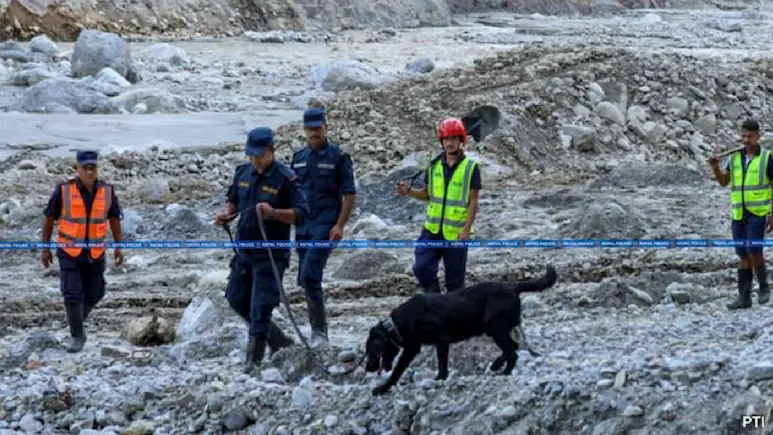
The news that the administrative process has been initiated to formally declare dead the 213 Indian nationals who went missing during the massive Nepal floods and disaster has heightened the sensitivity among the affected families, border areas and the concerned machinery. Under the released list, family members or concerned parties have been given time till December 2 to lodge claims or objections in cases related to missing persons, after which the path for further legal and administrative action will be decided. Seen from a reporter’s perspective, months after a natural disaster, when the formal process of declaring missing people moves forward, it is not just a phase of paperwork or statistics but an extremely emotional and decisive moment for the families who are still waiting for a miracle or concrete information.
When a missing person cannot be located for a long time after disaster management, police records, search operations and administrative verification, claims and objections are invited by publicly releasing the list to carry forward the processes related to death certification and compensation or ex-gratia. This deadline of December 2 gives an opportunity to the families to submit any evidence or information related to the person’s survival, discovery at another location, identity error or any correction in the records to the concerned authorities in time. The final decision is finalized only after the objections and claims received within the stipulated period are examined, so that no family is treated in a hasty or hasty manner.
In any disaster, the process of treating missing people as dead is directly related to the legal rights of the families, property and insurance claims, pension or dependent benefits and government compensation or assistance. As long as the situation of disappearance persists, the family members have to face many practical and legal complications, whereas the issuance of necessary certificates after the formal announcement provides clarity to the dependents in completing the process of relief and assistance. Along with this, coordination, identity verification and exchange of information between the Indian Embassy, local administration and the concerned states is extremely important in cross-border incidents.
Such disasters leave a deep social and humanitarian impact on people traveling to and from various states and Indian areas adjacent to Nepal for livelihood, business or travel. In many cases, families of missing persons have to grapple with language, distance, lack of information and complexities of verification from an early stage. Therefore, when the official list comes out, it becomes extremely important for the families to get accurate information and sensitive assistance through the right channel, helpline or concerned office, so that they can avoid confusion and register their case on time.
In the entire state and many cities of the country, including Lucknow, the capital of Uttar Pradesh, news related to disaster management, border incidents and humanitarian concerns are discussed with sensitivity among the people. Due to Uttar Pradesh’s long border with Nepal, historical and cultural ties and movement of a large number of working people, the people of the state naturally keep an eye on any major event or administrative step related to Nepal. In the coming days, how this process will be completed will be clear from the administrative verification, disposal of claims and the direction of assistance provided to the affected families after the December 2 deadline.