 look news india

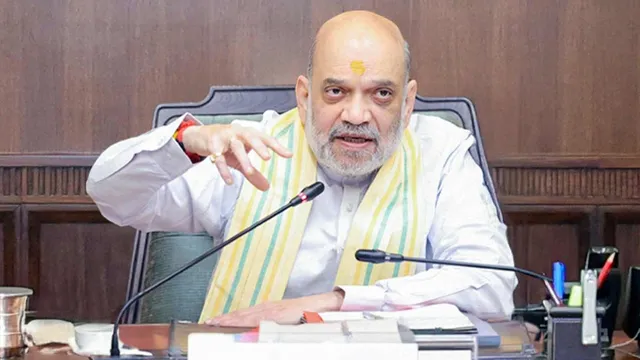
The rules on foreign funding in India are now more stringent and transparent than ever before. The Ministry of Home Affairs (MHA) has officially implemented the ‘Foreign Contribution (Regulation) Amendment Rules, 2026’ (FCRA Amendment Rules, 2026). Through this change, the government has made it clear how foreign funding can be used and which activities will be kept within the scope of religious purposes. The main objective of these rules is to prevent misuse of foreign donations and ensure national security.
Clear classification of religious activities
Under the new amendment, eligibility for registration for religious purposes has been clearly defined. Now institutions will be able to raise foreign funds only for listed activities, which include:
-
Construction, renovation and maintenance of places of worship (temples, mosques, churches, gurudwaras, monasteries etc.).
-
Translation, printing and digitization of religious texts.
-
Basic facilities like drinking water, sanitation and shelter for the pilgrims.
-
Public welfare activities like Dharamshala, community kitchen (Langar) and food donation.
‘Zero tolerance’ on conversion activities
The government has added a very important clarification to these rules. Although satsangs, discourses, meditation camps, devotional music and preservation of indigenous faith traditions have been allowed, the ministry has made it clear that ‘Religious Conversion’ Any activity related to foreign funding will not be accepted at all. The registration of the institution may be canceled if found involved in such activities.
Accountability for NGOs and ‘key functionaries’
According to the new rules, now the ‘Key Functionary’ of an organization i.e. director, trustee, karta or responsible persons associated with its operations have been made fully accountable. Also, it will now be mandatory for NGOs to provide details of their social media handles, websites and published materials (magazines, articles) to the government. Additionally, to receive the next instalment, institutions will have to utilize at least 75 percent of the funds previously received.
Registration and transparency: what changed?
-
Geographic Scope: At the time of registration, institutions will now have to give clear details of the states and union territories of their area of operation.
-
Ban on foreign nationals: If there are foreign nationals holding key positions in an organization, they will generally not get FCRA registration.
-
Additional Charges: A new fee structure has now been implemented for institutions operating in more than one state.
-
Time Limit: Already registered organizations have been given one year to update their details.
The Home Ministry believes that these steps will make foreign funding more streamlined, transparent and accountable. These changes are particularly important for institutions that depend on foreign donations in the social, religious and educational sectors.