 look news india

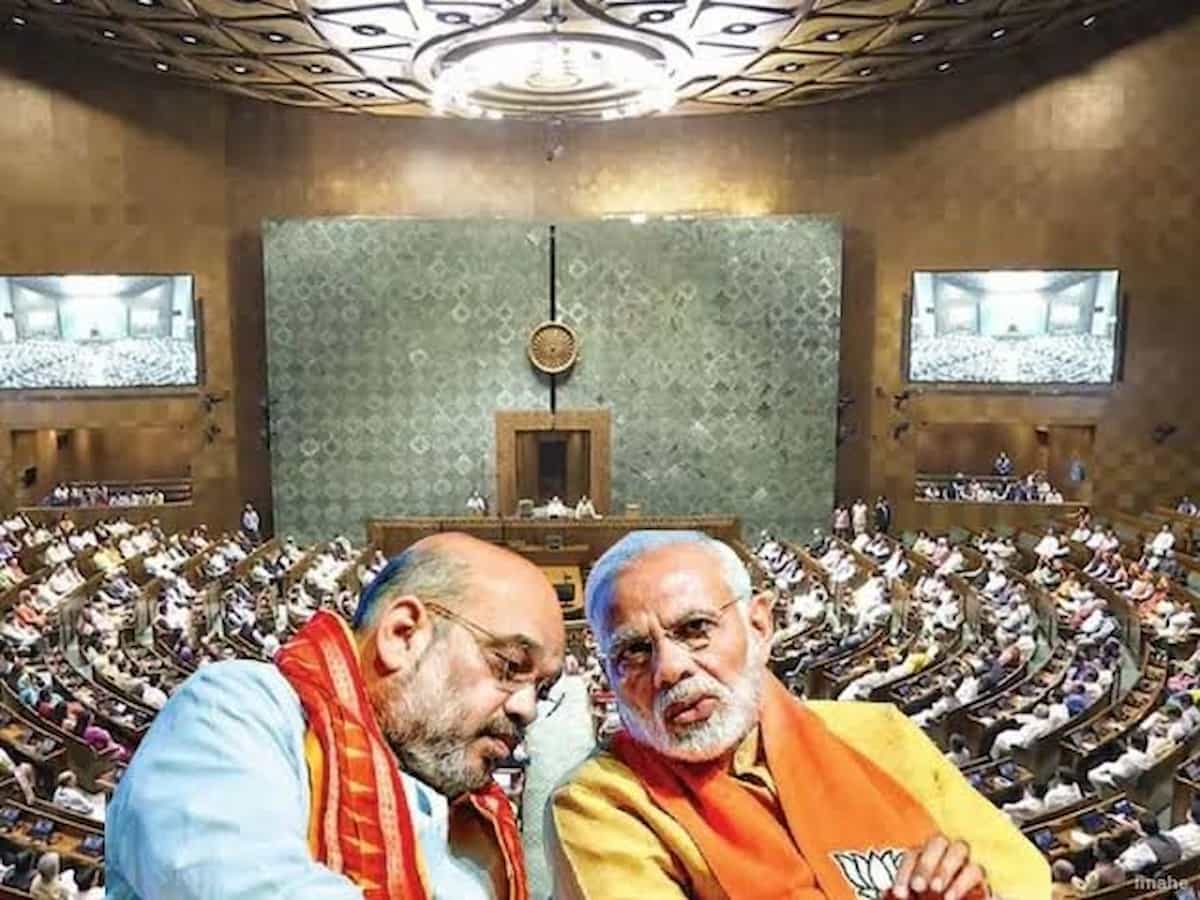
A very shocking and big political development is coming to light amidst the ongoing political tug of war in the country regarding the Women’s Reservation Bill. Now the tables seem to have completely turned on this historic step, which has been entangled in the mathematics of consensus and necessary figures within the Parliament for a long time. According to the latest parliamentary equations, the Central Government has come very close to the magical figure of two-thirds (2/3) majority required to pass this bill in the Lok Sabha. The biggest discussion at the moment in the political circles is whether a big strategic step by Sharad Pawar, who is called Chanakya in the opposition camp, has made this path very easy for the government.
Lok Sabha’s changed equation and government’s increasing figures
To implement women’s reservation, constitutional amendment is required, for which the support of two-thirds majority of the members present in the House is mandatory. Till now, many opposition parties were taking a tough stand on the demand of quota within the quota (separate reservation for OBC and minority women), due to which consensus was not being reached. But after recent political mobilization and lengthy negotiations behind the scenes, there has been a major change in the stance of many regional parties. Due to this, the number of required seats in the ruling party has increased rapidly and the government is now in a strong position to pass this milestone law.
Did Sharad Pawar change the game through ‘Power Politics’?
There is a lot of speculation about the role of Nationalist Congress Party (NCP) chief Sharad Pawar at the center of this entire political upheaval. Political analysts believe that Sharad Pawar has taken a very practical and flexible stand on this national issue of giving representation to women. After his move, many other factions of the opposition have also come into defensive mode, because no party wants to take the risk of appearing anti-women on the public platform. This indirect support or strategic silence of Pawar has demoralized those regional parties who were preparing to create hurdles in this bill, due to which the thorn in the government’s path has almost become clear.
What is the meaning of this historic law giving rights to half the population?
If this bill is passed in the Lok Sabha with two-thirds majority this time, it will be the biggest reform ever regarding women’s participation in the country’s democratic journey. Under this, 33 percent seats will be reserved for women in the Lok Sabha and all the state assemblies of the country. The implementation of this law will not only change the structure of Parliament, but will also give decisive strength to the voice of women in the policy making and law making processes. The passing of this bill just before the elections can prove to be a huge masterstroke for the current government, which has the potential to destroy the entire election agenda of the opposition.