 look news india

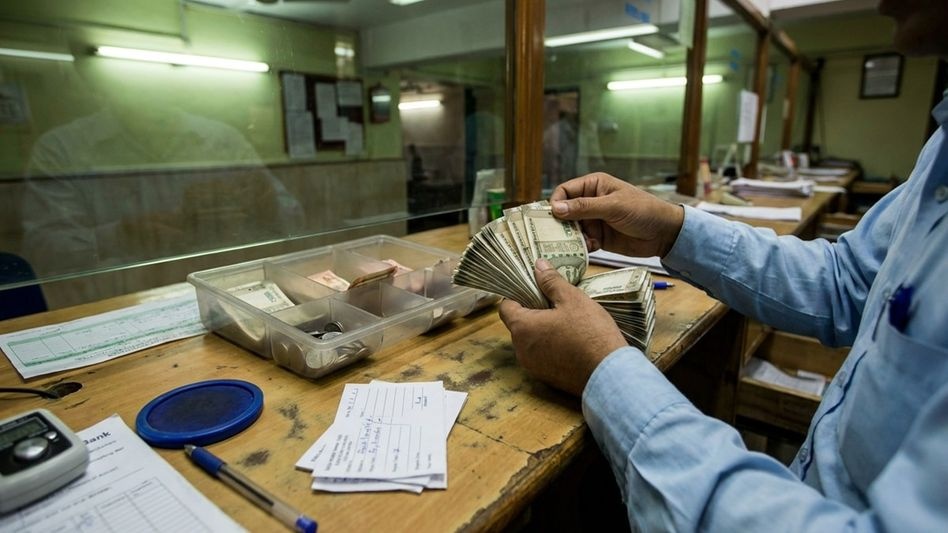
Despite the rapidly growing trend of digital banking and UPI in the country, a large number of people consider it to be safest to keep their savings, emergency funds and capital in a bank’s savings account. However, many times a question arises in the minds of account holders that how much money can be kept in the savings account and can a notice from the Income Tax Department be received if an amount of Rs 10 lakh or more is deposited in the account? As per the rules of Reserve Bank of India (RBI) and Income Tax Act, there is no maximum limit for keeping money in a savings account, but if you invest Rs 10 lakh or more in a financial year. Cash amount If you deposit money, it is directly monitored by the financial agencies and the tax department.
What is the ₹10 lakh rule and SFT reporting?
Under Section 285BA and Rule 114E of the Income Tax Act, it is mandatory for banks and post offices to report large financial transactions to the government.
-
SFT (Specified Financial Transaction): If a person deposits in his one or more savings accounts during a financial year (1st April to 31st March) Rs 10 lakh or more in cash If a person deposits money, the bank automatically sends its report to the Income Tax Department through ‘SFT Report’.
-
Limit for Current Account: This cash deposit reporting limit for current account holders is set at Rs 50 lakh per year.
-
Discount on digital transactions: If an amount of Rs 10 lakh or more has come into your account through online means like NEFT, RTGS, cheque, or salary credit, then it does not come under the purview of the cash deposit rule, because its digital trail already exists.
Under what circumstances can the Income Tax Department demand accounts?
Sending information by the bank does not mean that you will have to pay tax immediately or will be raided. As long as you have a legitimate source of income for your deposit, there is nothing to worry about. But notice may come from the Income Tax Department in the following cases:
-
Mismatch in Income Tax Return (ITR) and deposited amount: If your declared annual income is Rs 3 lakh, but Rs 10-12 lakh are deposited in cash in your savings account, the department may ask questions regarding the source of income.
-
Non filing of ITR: If a person has large cash deposits in his account and does not file income tax returns, the department can send a notice under section 148 or 68 seeking clarification.
-
Structuring: Many people deposit Rs 2 lakh each in cash in different bank accounts to avoid the ₹10 lakh limit. Since all bank accounts are linked to the PAN card, the department’s system captures it instantly.
Failure to disclose source of income may result in heavy tax and fine
If the account holder is unable to produce valid proof of the source of Rs 10 lakh deposited (such as property sale document, agricultural income, valid gift deed or business bill) when given a notice by the Income Tax Department, then the amount is treated as ‘Unexplained Income’ under Section 68 of the Income Tax Act.
-
In this situation on that entire amount 60% flat tax, 25% surcharge And 4% cess a total of approximately Tax up to 78% and heavy fine Can be applied.
Keep these important things in mind while depositing a large amount
-
PAN Card Mandatory: It is mandatory to provide PAN card if you deposit more than ₹ 50,000 in cash in a day in any bank.
-
Keep documentary evidence: If you have sold land or ancestral property, received a family gift or received cash from a legal business, save receipts, agreements or bank statements.
-
Check AIS and 26AS: While filing income tax returns, match all major transactions reported in your Annual Information Statement (AIS) with your return to avoid any discrepancies.