 look news india

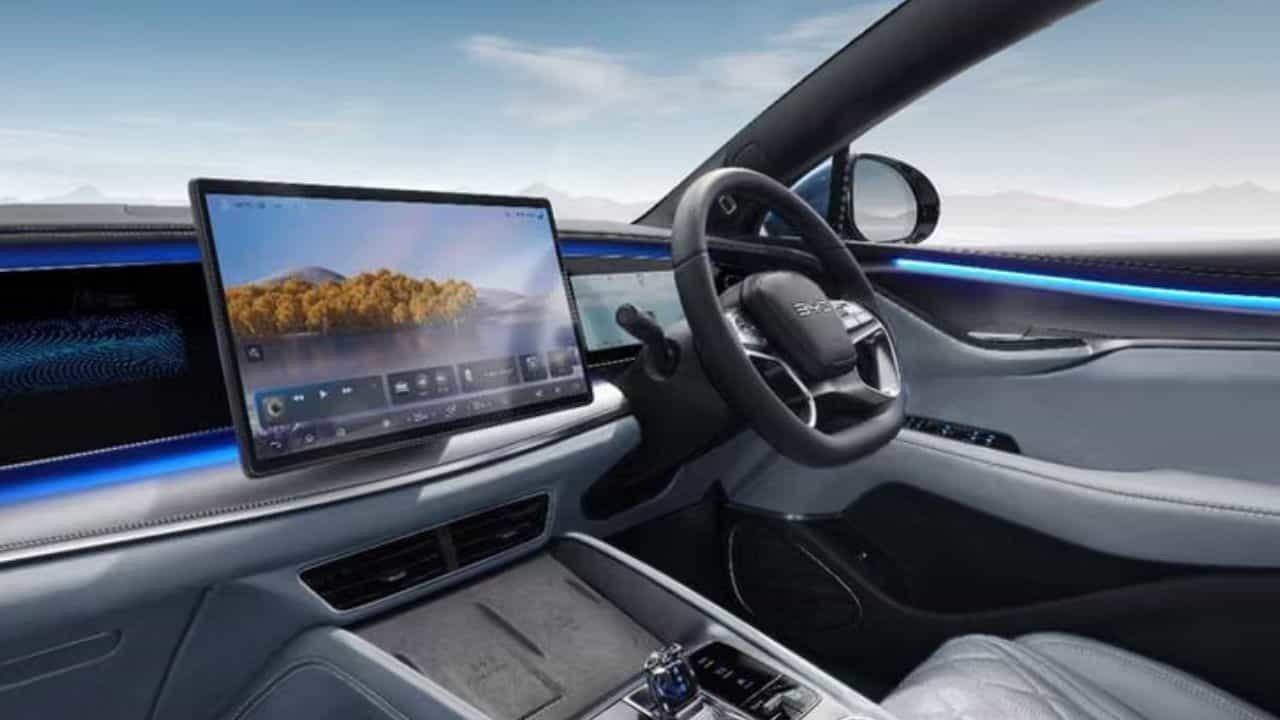
Nowadays the automobile industry is adopting digital technology very fast, due to which vehicles are also becoming as advanced as your smartphones. Earlier, to get any car’s software bug fixed or new digital features installed, the vehicle owner had to make repeated trips to the dealership or service center. However, now global car companies are resorting to Over-the-Air i.e. OTA updates technology. With the help of this technology, the car software gets updated directly at home through the internet without going anywhere. Tech giant companies like Google, Apple and Samsung have been providing this facility in mobile phones for years. It was started in the automobile sector by Tesla in the year 2012 with its Model S car, after which auto companies around the world have started adopting it on a large scale.
Saving time and expense, but serious questions arise on cyber security
On one hand, OTA update technology gives car owners the convenience of not having to go to the service center, on the other hand it also saves their time and money. But along with this, cyber security experts have also issued a very serious warning regarding this technology. Experts clearly believe that if the operating and control system of a car remains connected to the Internet network round the clock, then it can easily become the target of cyber criminals and hackers. This not only increases the fear of the car owner’s personal information and location data being stolen, but also increases the fear of the vehicle’s digital system, braking or power controls being tampered with remotely.
Threat to national security: Strict investigation started in many countries
According to a special report by CNBC, this matter is not limited to data privacy only. If a foreign hacker or anti-social element gains unauthorized access to the control system of a moving car or public transport vehicles, it can become a huge threat to the national security of any country. Last year, a detailed investigative report in Norway sensationally revealed that a public bus’s battery and power system could have been accessed using mobile networks. The conclusion of this report was that the manufacturing company or hackers could have stopped the moving bus or stopped it completely even while sitting at a distance. After this revelation, developed countries like Britain and Denmark have also intensified cyber security checks of connected vehicles running on OTA technology.
OTA technology will become a necessity in the future, but cyber security will be the biggest condition.
Auto experts say that as the number of software-defined cars and EVs increases in the future, OTA updates will become a very important and mandatory feature. However, to make this technology completely safe, automobile companies will have to implement strong cyber security protocols, encrypted software architecture and regular digital monitoring systems, so that future incidents and cyber attacks can be prevented in time.