 look news india

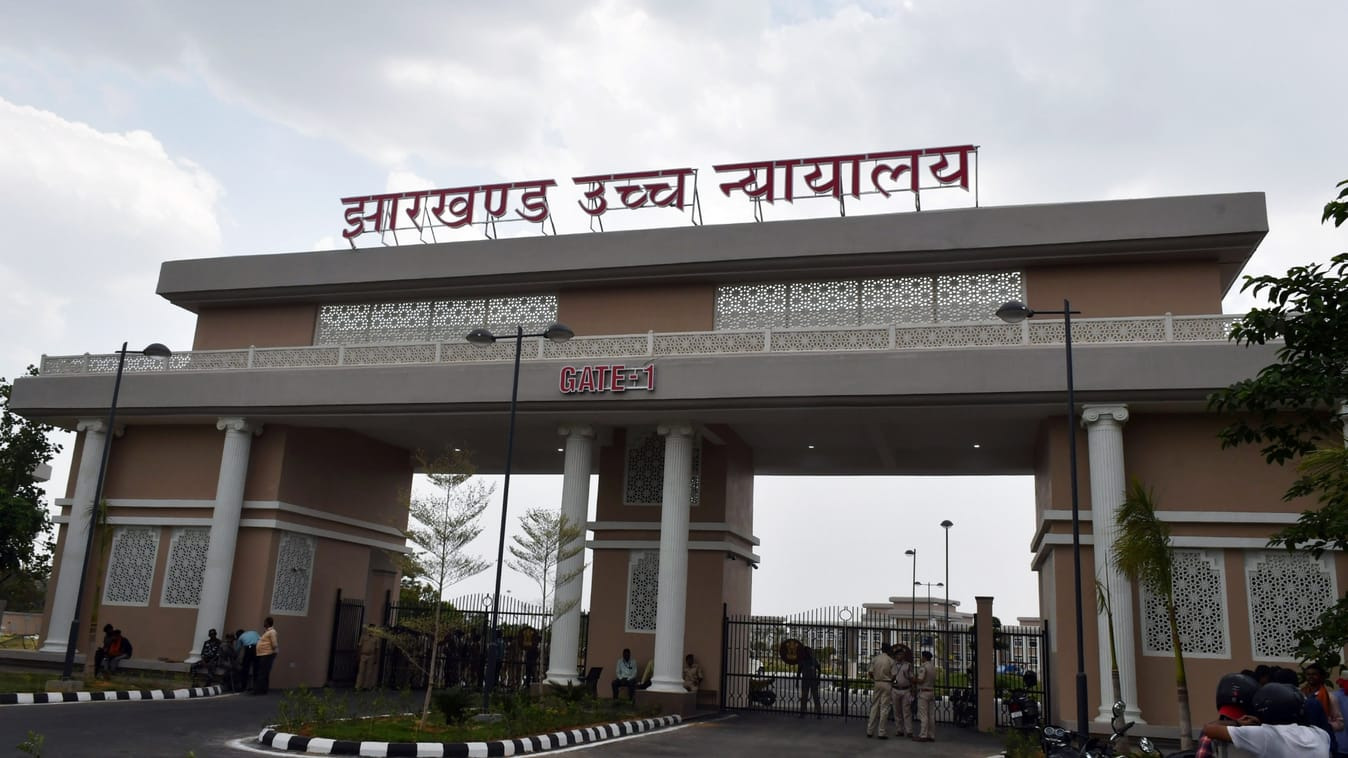
In the Indian judicial system and legal matters related to family, complex disputes often arise which deeply affect both the society and the individual. One such very important and far-reaching decision has been given by Jharkhand High Court, one of the well-known High Courts of the country. Recently, while hearing a criminal case, the court has given a very broad and clear legal interpretation regarding Section 498A of the Indian Penal Code (IPC 498A) i.e. cases of cruelty by husband or his relatives. The court has made it clear in its decision that every illegal demand or dispute made by the in-laws during marital life cannot be directly categorized as ‘dowry’. After this historic decision, discussions have intensified in the legal circles, as it has brought a new twist in the cases where usually every family dispute or dispute over money transaction was dragged into the ambit of dowry harassment.
What is the whole matter and the legal arguments put before the court
Talking about the background of this entire legal dispute, a criminal case was filed by a woman against her husband and other members of her in-laws under Section 498A of the IPC and Dowry Prohibition Act, making serious allegations. The complainant wife alleged that since marriage, she was being continuously harassed mentally and physically and illegal demands of money were being made from her maternal family for various reasons. When the matter reached the Jharkhand High Court during the hearing of the case, the court closely analyzed the arguments, documents and family circumstances of both the parties. The court observed that it is not justified to classify every family dispute or financial demand as dowry harassment on the basis of mere verbal allegations, as solid legal evidence is mandatory for this.
Court clarified the definition of dowry and the scope of section 498A
In this important decision, the Jharkhand High Court laid special emphasis on the fact that the purpose of Section 498A of the IPC is to protect women from actual cruelty and harassment occurring in the in-laws’ house, and not to be used to give a criminal color to every minor family disagreement. The court said in clear words that every monetary demand made by the husband or his family after the marriage cannot be directly considered a demand for dowry unless it is proved that the demand was made in connection with the marriage or as a condition of the marriage. If any dispute has arisen due to some other family or professional need, then linking it with serious cases of dowry harassment cannot be legally justified. This clarification is expected to provide great relief in those cases where sometimes due to mutual rivalry, even distant relatives of the family are named without concrete evidence.
Relief for husband and in-laws, legal experts react
This decision of Jharkhand High Court is being called a balanced and just step by legal experts and lawyers. Over the past few years, there has been a growing concern over the misuse of Section 498A in courts across the country, and in many cases it has been seen that the husband as well as his elderly parents and siblings have to go through the lengthy legal process without solid evidence. This decision will now guide the lower courts to be more cautious while hearing such cases where the veracity of dowry allegations is doubtful. However, experts also say that this does not at all mean that the actual cases of domestic violence or dowry harassment against women should be underestimated, rather this decision will prove to be an important milestone in making the justice process more transparent and factual.