 look news india

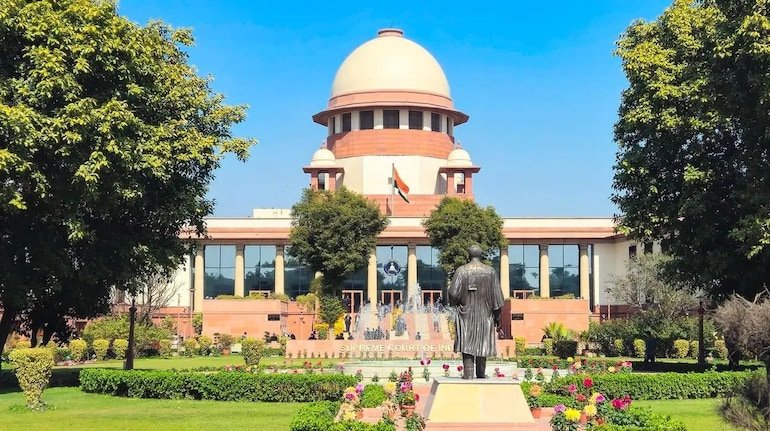
A legal dispute has deepened over the decision to reduce the qualifying cut-off of the NEET PG exam conducted for admission to postgraduate courses in medical colleges across the country. On this matter, the Supreme Court has given strict instructions to the National Board of Examination in Medical Sciences (NBEMS) and ordered it to submit a detailed report within two weeks. The top court made it clear that it is imperative to explain the reasoning and basis behind the decision to reduce the cut-off to an unusually low level. However, the court has currently refused to grant any immediate interim relief to the petitioners or impose a stay on the ongoing admission process and counselling. After this stance of the court, now all eyes are on the upcoming report to be filed by NBEMS and the next hearing.
Various petitions filed in the Supreme Court have termed the decision of NBEMS and the Health Ministry to drastically reduce the qualifying cut-off percentile as unconstitutional and arbitrary. The main argument of the petitioners is that at the medical PG level, specialist doctors are selected, who in future treat serious diseases and perform surgeries. In such a situation, reducing the cut-off marks to minimum level or negative marks just in the name of filling vacant seats is playing with the quality of health sector and public interest. Citing Article 14 (right to equality) and Article 21 (right to life and health) of the Constitution, the petition demanded that the minimum eligibility standards be maintained and the rules not be changed midway through the process.
During the hearing, a demand was also raised on behalf of the petitioners that till the apex court does not finalize the dispute, an interim stay should be put on the counseling and seat allotment process being done on the basis of revised cut-off. The bench refused to interfere, saying that imposing an interim stay at this stage of the process would delay the academic session of lakhs of students and create widespread administrative confusion. The court clarified that it will first examine the official report of NBEMS and see under what circumstances and data this change in cut-off was made.
On the other hand, the stance of the Central Government and NBEMS has been that the super specialty of Medical PG and the remaining vacant clinical and non-clinical seats is a big loss for the public health system and infrastructure of the country. They argue that the purpose of bringing down the percentile is to ensure that expensive and essential seats in medical colleges do not go waste. Also, the government also says that despite reducing the cut-off, the final seat allotment is done entirely on the basis of merit, rank and preferences of the candidates. However, after the Supreme Court has set a deadline of 2 weeks, now NBEMS will have to prove whether this decision has been taken without affecting the credibility and quality of medical education or not.
A heated debate is going on regarding this decision among all the medical colleges and resident doctors’ organizations (FORDA, FAIMA etc.) of Uttar Pradesh, Delhi, Maharashtra, Bihar and South India. A large section of expert doctors believe that if the cut-off level is dropped too low, it will tarnish the credibility of the medical profession. At the same time, many candidates of private medical colleges and those waiting for seat allotment believe that additional opportunities give students an opportunity to move ahead. The hearing in the Supreme Court in two weeks will not only decide the future of the students of the current session, but will also set a precedent on the minimum eligibility standards for medical PG admission for years to come.