 look news india

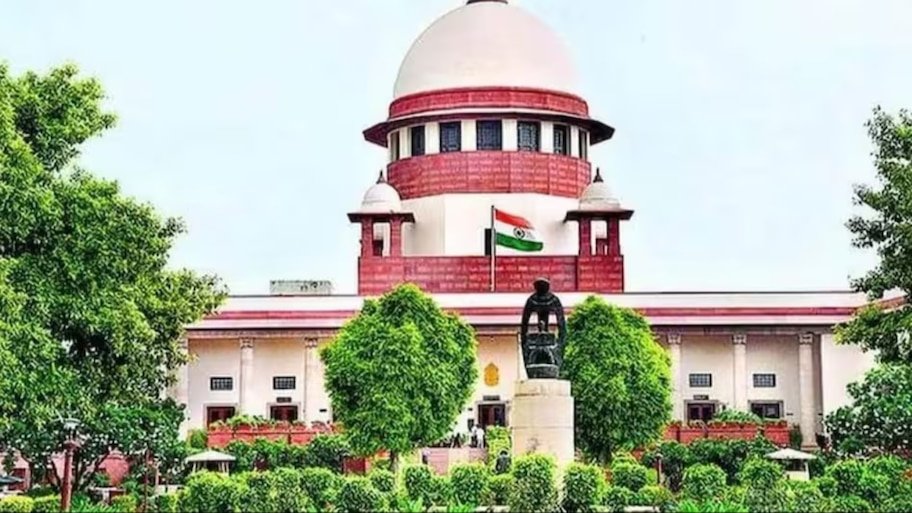
A big and relief update has come out regarding the eligibility criteria for lakhs of law graduates across the country who are preparing for judicial services. The requirement of mandatory advocacy experience for appearing in the Civil Judge (Junior Division) i.e. PCS-J examination, which was discussed to be 3 years, has now been amended and now a proposal has been put forward to reduce it to only 1 year. With this step, new lawyers who have completed their law studies will get an instant opportunity to join the judicial service at the initial stage of their career.
What were the rules earlier and what was the dispute of 3 years?
Earlier, fresh graduates were allowed to appear for the Civil Judge examination directly after completing their Law Degree (LLB) in the Judicial Services Examinations of various states. However, it was argued by the Bar Council of India (BCI) and some High Courts that without on-ground court practice, young judges find it difficult to understand practical court procedures and the nuances of litigation.
After this, it was recommended to make minimum 3 years of court practice (advocacy experience) mandatory in eligibility. But this proposal was strongly opposed by young law graduates and student organizations. The students said that a 5-year law course and then 3 years of compulsory advocacy would take them to 27-28 years of age, leaving precious career time only for gaining experience.
What is the new formula for 1 year advocacy experience?
After taking suggestions from all the parties, bar associations and legal experts, a balanced path has now been found. According to the new format, instead of a long period of 3 years, candidates will have only 1 year active court practice is being made standard.
Under this 1 year experience, the candidate will have to enroll in a recognized Bar Council and submit a formal certificate of advocating cases under a senior advocate or independently. This will also give the candidates practical experience of basic court work and will not waste their valuable time.
What relaxation will be given to academically meritorious students?
The draft new rules also envisage special provision for meritorious students who have demonstrated excellent performance (e.g. 70% or more marks and degree in the first attempt without any back/ATKT) in their 3-year or 5-year LLB degree.
Some states are considering giving such toppers and students with excellent academic records the option to directly appear for the PCS-J examination even without any mandatory advocacy experience, so that talented youth can be directly linked to the judiciary.
What will be its impact on students preparing to become judges?
-
Balance of preparation and experience: Students will now get a systematic roadmap to prepare for court practice as well as competitive exams immediately after completing Law.
-
Better understanding of cases in courts: The 1-year court exposure will expose the new judges to the intricacies of dealing with lawyers and clients, summons, warrants, recording evidence and cross-examination before they sit on the bench.
-
Time Saving: As compared to the long wait of 3 years, a time of 1 year will accelerate the career of the students and the participation of youth in the judicial selection process will increase.