 look news india

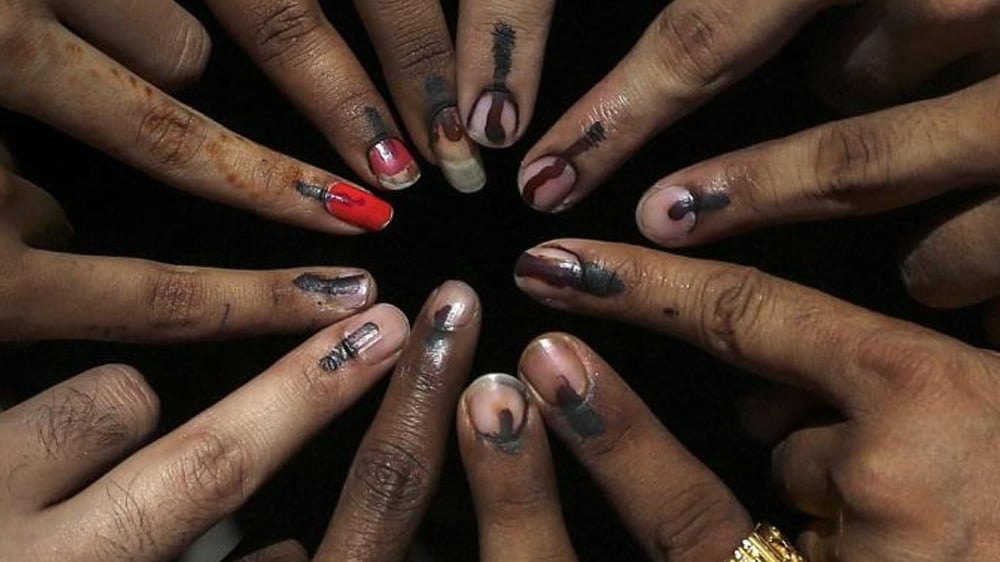
Assembly elections are going to be held in Jammu and Kashmir after 10 years. This is the first assembly election in the state after the removal of Article 370. In such a situation, every party is trying its best. For the first time in the state, 16 seats have been reserved for Scheduled Tribes and Scheduled Castes. These reserved seats will play an important role in gaining power as kingmakers.
In Jammu and Kashmir, 16 assembly seats are reserved for Scheduled Castes and Scheduled Tribes. Out of which seven assembly seats are reserved for Scheduled Castes and nine for Scheduled Tribes. For the first time, voters of this category are showing great enthusiasm regarding SC and ST reservation. Whichever party succeeds in capturing these 16 reserved assembly seats will play an important role.
SC-ST Reserved Seats
Seven seats are reserved for Scheduled Castes in the Union Territory – Bishnah, Suchetgarh, Madh, Akhnoor, Ramgarh, Kathua and Ramnagar. Thus, 9 seats are reserved for Scheduled Tribes. These include Gulabgarh, Kokernag, Rajouri, Thannamandi, Budhal, Surankot, Mendhar, Kangan and Gurez constituencies. Out of the 16 reserved seats, 13 are from Jammu division and three seats are from Kashmir region. Kashmir has ST reserved seats while Jammu has SC reserved seats.
with reference to the election results
If we look at the results of the 2024 Lok Sabha elections in Jammu and Kashmir, the political mood of the reserved assembly seats can be well understood. The BJP won two out of five parliamentary seats, out of which it got a lead in six reserved assembly seats. Similarly, the National Conference got a lead in seven reserved assembly seats, while the Congress got a lead in only two reserved seats and Apni Party in one seat.
Which party won how many seats?
Out of the seven seats reserved for Scheduled Castes, BJP is leading on six seats and Congress on one seat. Out of the nine seats reserved for Scheduled Tribes, National Conference won seven seats, Congress on one seat and AP Party on one seat. In Jammu, Congress got more votes than the BJP candidate on Suchetgarh seat reserved for Scheduled Castes.
Equation of 13 assembly seats
On the other hand, if we look at the equation of 13 assembly seats reserved for scheduled tribes, five seats fall in Rajouri and Poonch districts. There are a large number of Pahadi and Gujjar voters in both these areas. In Jammu and Kashmir, both these communities come under the Scheduled Tribes, but they are considered to be opposed to each other. After repealing Article 370, the Modi government took the step of doing favour on the Pahadi community by giving them the status of Scheduled Tribe. It is believed that this decision has caused resentment towards the BJP in the Gujjar community. In such a situation, if this resentment continues in the elections, then the tension for the BJP may increase.
Var equation of Rajouri-Punch
Especially in Rajouri-Poonch district, reservation for scheduled tribes has changed the equations. Earlier, no seat was reserved here, but this time due to reservation, the dominance of Pahadi and Gujjar communities has increased here. Three seats are also reserved for scheduled tribes in Kashmir, which have voters from Pahadi and Gujjar communities. In the Lok Sabha elections, the National Conference had an edge on these three seats. Not a single seat is reserved for scheduled castes in the valley, all seven seats are in Jammu region.
Seats increased after delimitation
After delimitation, the political situation in Jammu and Kashmir has changed. The number of assembly seats in the state has increased from 83 to 90. After delimitation, Jammu and Kashmir saw an increase of seven seats, the assembly seats of Jammu region increased from 37 to 43 and Kashmir from 46 to 47. Now there is not much difference in the seats in Jammu and Kashmir region. BJP dominates the Jammu region while regional parties dominate the Kashmir region.
For the first time seats were reserved for ST
For the first time in the state, seats have been reserved for Scheduled Tribes (ST). 16 seats are reserved for Scheduled Castes (SC) and Scheduled Tribes (ST). In which 7 seats are reserved for Scheduled Castes and 9 seats are reserved for Scheduled Tribes. All the seven seats reserved for SC are in Jammu region, while out of the 9 seats reserved for ST, 3 seats are in Kashmir region and the rest are in Jammu region. In this way, to form the government in the state, the target will have to be to win 46 seats.