 look news india

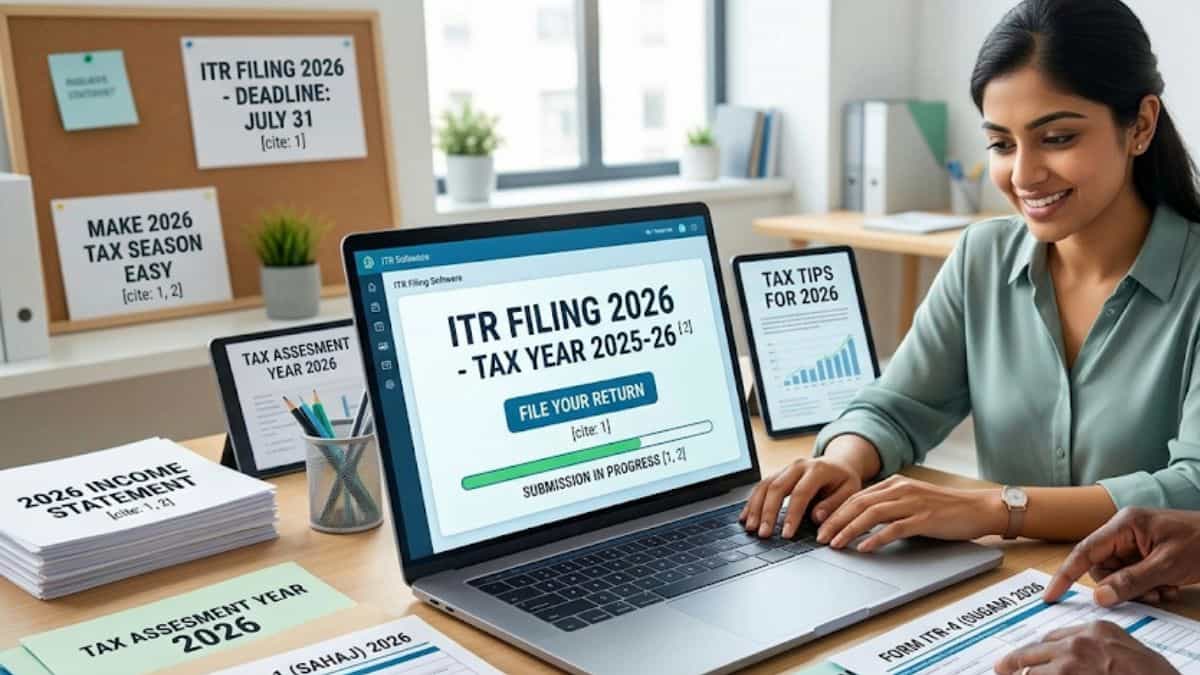
There are many types of confusions often seen regarding the process of filing income tax returns in India, especially when it comes to senior and super senior citizens of the country. It is often claimed on social media and in general discussions that after crossing the age of 80 years, there is no need for the elderly to file ITR. It is very important to remove this huge confusion among the taxpayers because due to incomplete information, there is a danger of getting a notice from the tax department. Let us understand in simple and simple words from the perspective of a senior reporter, what the Income Tax Act of the country says about this.
What is the real limit of tax exemption for super-senior citizens?
According to the rules of the Income Tax Department, persons aged 80 years or more are categorized as ‘very senior citizens’. It is true that the government gives them much more relief in tax slab than the common citizens. Under the old tax regime, while for common people the income up to Rs 2.5 or Rs 3 lakh is tax free, whereas for the elderly above 80 years, this basic exemption limit has been fixed at Rs 5 lakh. Under the new tax regime, they also get the benefit of tax rebate as per the prescribed rules. But this does not at all mean that even if the annual income is more than Rs 5 lakh, they are completely exempted from filing returns.
That special condition of Section 194P which every elderly person needs to know
The government had added Section 194P to the Income Tax Act through the budget, which people often make a mistake in understanding completely. Under this rule, senior citizens aged 75 years or above are exempted from filing ITR on certain special conditions. The condition is that the source of income of the elderly person should be only ‘pension’ and ‘interest’ received from the same bank account. If your pension account and fixed deposit (FD) are in the same bank, then that bank itself calculates your income and deducts tax as per the rules and you do not need to file separate ITR. But if you have some other source of income, then this rule does not apply to you.
In these circumstances it is mandatory to fill ITR even after 80 years
If you have turned 80 years of age and your annual income exceeds the basic exemption limit of Rs 5 lakh, then it is absolutely mandatory for you to file income tax returns. Apart from this, if you have any rental income, capital gains from shares or mutual funds, or any business, then you will not get the benefit of Section 194P. Experts also advise that even if your income does not come under the tax net, but if the bank has deducted TDS on your deposit amount, then you must file your ITR to get the refund of that deducted money. In this era of Digital India, now the process has been made much easier for super senior citizens through Form-12BBA.