 look news india

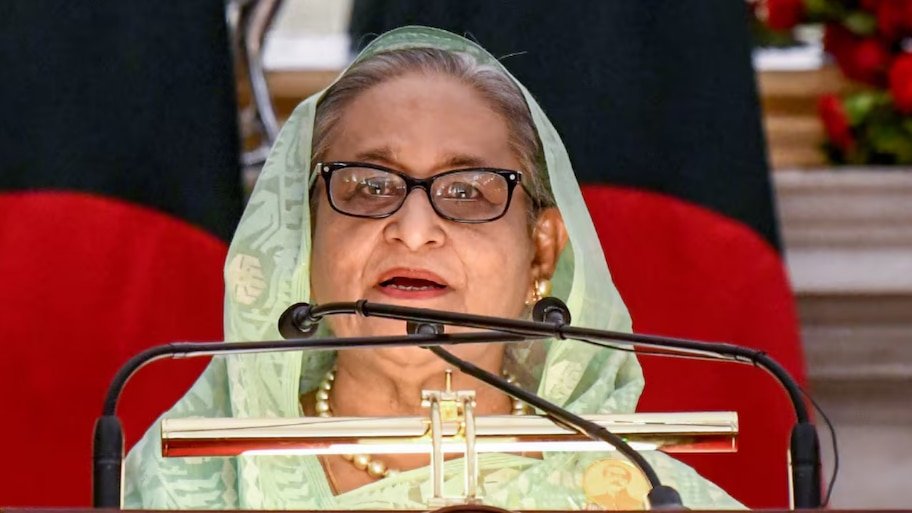
The legal troubles of ousted former Bangladesh Prime Minister Sheikh Hasina are becoming more serious day by day. The Mohammad Yunus-led interim government in Dhaka and the prosecution branch of the International Crimes Tribunal (ICT) of Bangladesh have clearly indicated that the scope for any kind of judicial concession in the crimes against humanity and genocide cases registered against the former Prime Minister has now ended. Statements made by the prosecution and legal advisors associated with the interim government claimed that regular appellate rights had been weakened by failure to appear before the court within the stipulated time and ignoring legal notices. If the court convicts him and pronounces the death penalty, he may have to face judicial custody and execution of sentence as soon as he sets foot on Bangladeshi soil. This tough stance has created a major upheaval in Dhaka’s domestic politics as well as South Asian diplomacy.
The cases filed against Sheikh Hasina have their roots in the massive student movement that swept the country and ultimately overthrew the Awami League government. Hundreds of people lost their lives in the violent crackdown on students and protesters by security forces and ruling party workers during the movement. The special tribunal formed after the change of power has prepared serious charge sheets against Sheikh Hasina, her former home minister, top officials of law enforcement agencies and prominent leaders of the Awami League under charges of genocide, kidnapping and excessive use of force. The tribunal has already corresponded with international police agency Interpol for non-bailable arrest warrant and red notice against Hasina. The prosecution authorities argue that persistent disobedience of judicial orders and being declared a fugitive completely bars the avenues for anticipatory relief or regular bail under the law.
Amidst the ongoing court processes against Hasina, the interim government of Bangladesh is continuously reiterating the formal demand for her extradition from India. Dhaka says that under the bilateral extradition treaty signed between India and Bangladesh in 2013, it is mandatory to return any person against whom a warrant or punishment order has been issued by a court in criminal cases. However, legal and diplomatic experts believe that the matter is not so simple. The extradition agreement contains an important exception to the ‘Political Offense Clause’, under which extradition can be refused if the charges against an accused appear to be motivated by pure political vendetta. Additionally, international human rights laws also come into play if a person fears that upon returning to his or her country he or she will not receive a fair trial or will directly face the death penalty.
On the other hand, Sheikh Hasina’s close associates and the leadership of Awami League, who have taken refuge in India, have termed all these allegations and cases as ‘political vendetta’ and ‘kangaroo court proceedings’. The party says that the interim government is running the country without any democratic mandate and is conspiring to give unilateral decisions by depriving the former Prime Minister of his basic legal and human rights. Awami League has claimed that the legal status of any former leader cannot be decided without fair elections and restoration of independent judiciary in the country. Analysts believe that the strong statements coming from Dhaka regarding Sheikh Hasina’s return and possible punishment are actually part of the strategy to keep the domestic public, especially the fundamentalists and student organizations, satisfied, but implementing it legally on international forums will prove to be a very complicated and long challenge for the interim regime.