 look news india

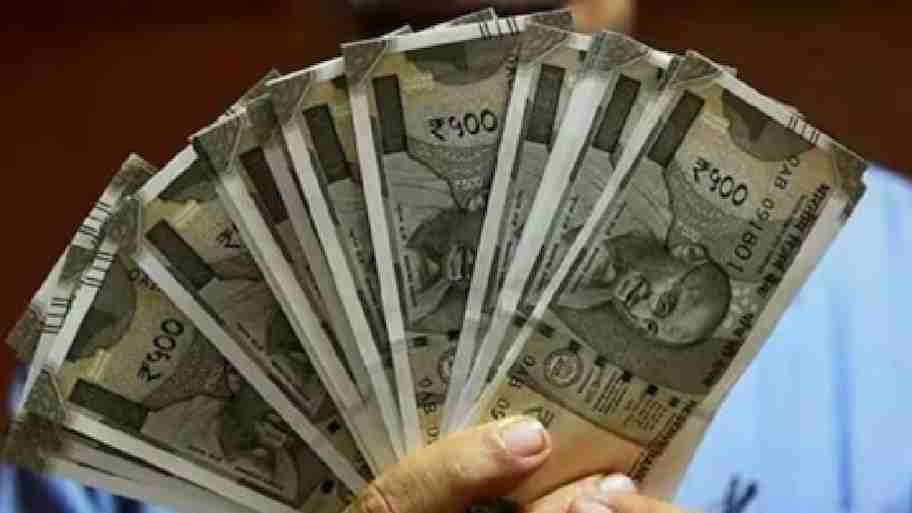
In today’s time, an in-hand salary of Rs 1 lakh per month is considered an excellent and secure income. Despite this six-figure income, lakhs of youth and professionals living in Tier-1 and Tier-2 cities of the country are seen burdened with empty bank balance and huge debts by the 25th of the month. Home loan, car loan, personal loan, no-cost EMI, BNPL (Buy Now Pay Later) and huge credit card bills take away 60 to 70 percent of the salary every month.
According to financial experts, having a high income is never a guarantee that you will be rich and debt-free. Unless you manage your earnings properly, ‘Lifestyle Inflation’ and lack of financial discipline will always keep you trapped in the debt trap. If you too are facing the stress of paying EMIs every month despite earning Rs 1 lakh, then this detailed and practical roadmap can make you completely debt-free in the next 12 to 24 months.
Why do people fall into the trap of debt despite a good salary of Rs 1 lakh?
The biggest reason for people of high income group getting into debt is the uncontrolled increase in expenses along with income. As soon as the salary increases from Rs 50 thousand to Rs 1 lakh, people increase their expenditure on better apartments, expensive cars, dining out every weekend, branded clothes and luxury gadgets. In the language of personal finance, this is called ‘comfort trap’.
The second big reason is ‘easy credit’. On salary slip of Rs 1 lakh, banks immediately give pre-approved personal loan of Rs 10 to 15 lakh and credit card with limit of lakhs. People start buying today’s luxuries relying on future income, due to which even before one EMI ends, another starts.
Rule 1: First measure your debt-to-income (DTI) ratio
The first step on your journey to debt freedom is to realize how tenuous your financial situation is. For this, calculate your Debt-to-Income (DTI) ratio.
-
Formula: (Total Monthly EMI + Credit Card Bill / Total In-Hand Monthly Salary) × 100
-
If your DTI is less than 30%: Your condition is safe and under control.
-
If your DTI is between 30% and 50%: You are at risk and need to improve your budget immediately.
-
If your DTI is more than 50%: You are in a serious ‘debt trap’ and need to take emergency steps.
If your salary is Rs 1 lakh, the sum total of all your EMIs should not exceed Rs 35,000 to Rs 40,000 under any circumstances.
Debt Snowball vs. Debt Avalanche: Which Strategy to Pay Off Debt is Fastest?
Write down all your loans in a diary or excel sheet along with their principal amount, monthly EMI and annual interest rate. After this, choose one of these two major scientific methods used around the world to repay the debt:
-
Debt Avalanche Method – Mathematically most economical: In this strategy you aim to eliminate the debt with the highest interest rate first. For example, credit card debt (36% to 42% annual interest) or personal loan (14% to 18% interest). Pay only the minimum EMI on all other loans and use your extra savings to prepay the most expensive loan faster. When that runs out, attack that low-interest debt. This saves you interest worth lakhs of rupees.
-
Debt Snowball Method (Most effective psychologically): If you are under a lot of mental stress and need a quick boost of confidence, then adopt this method. In this, the loan with the smallest principal amount (like a small personal loan or gadget EMI of Rs 20,000) is paid off in full first, ignoring the interest rate. The mental satisfaction and momentum you get when one debt is completely eliminated gives you the energy to tackle the next big debt.
Debt Consolidation: Bring expensive personal loan and credit card debt into one place
If you have huge bills from 4-5 personal loans and credit cards from different banks, managing EMIs on different dates every month becomes a headache. In such a situation, take help of ‘Debt Consolidation’:
-
Talk to your bank to get a larger consolidation loan or balance transfer loan at a lower interest rate (about 10.5% to 12%).
-
With this one loan amount, pay off all your expensive credit card outstanding (36%+) and minor personal loans (16%+) in full in a single day.
-
Now instead of paying different interest at 5 places, you have to pay only one EMI at one place at a lower interest rate, which will instantly reduce your monthly EMI by 20% to 30%.
Reset the 50/30/20 budget formula: Put brakes on lifestyle inflation
To restructure a salary of Rs 1 lakh, the normal 50/30/20 rule has to be changed to ‘debt-payoff mode’. As long as you have high-interest debt, divide your money like this:
-
45% Essential Needs (Needs – ₹45,000): House rent, grocery, electricity bill, children’s school fees and basic transportation expenses.
-
40% Aggressive Debt Payoff – ₹40,000: Regular EMIs and pre-payment of loan.
-
10% Emergency Fund and Minimum Savings (Emergency Fund – ₹ 10,000): Deposit in a liquid fund for any unexpected medical expenses, so that you do not have to take a new loan again.
-
5% Non-essential Hobbies and Entertainment (Wants – ₹5,000): Keep strict controls on weekend parties, expensive clothes, eating out and purchasing non-essential gadgets until the debt is cleared.
Get out of the credit card ‘minimum due’ trap immediately
Banks deliberately display the ‘Minimum Amount Due’ option prominently in credit card statements, which is only 5% of the total bill. Lakhs of salaried people see this and pay only the minimum dues and think that they are saved from default. In fact, on the remaining 95% of the balance, banks charge compound interest of 3% to 3.5% every month (over 40% annually). Clear credit card dues immediately and remove that card from e-commerce apps on your phone until the backlog is cleared.
12 to 24 Month Debt Freedom Action Plan: Get Started Like This
Month 1 to 3: List all debts, stop unnecessary spending completely, create a small emergency fund of Rs 50,000 and stop swiping your credit cards completely.
Month 4 to 12: Invest 100% of your salary increment, bonus, tax refund or any additional income directly towards loan prepayment (Principal Foreclosure). Eliminate the most expensive personal loans with the debt avalanche method.
Month 13 to 24: As soon as the expensive loans are over, invest the monthly EMI amount saved on the remaining secured loans (like car loan or home loan part payment).
Debt freedom is not an overnight miracle, but the result of financial discipline, sacrifice, and precise strategy. An income of Rs 1 lakh can make you financially independent very quickly, provided you strengthen the foundation of your future instead of lining the pockets of banks with your salary.