 look news india

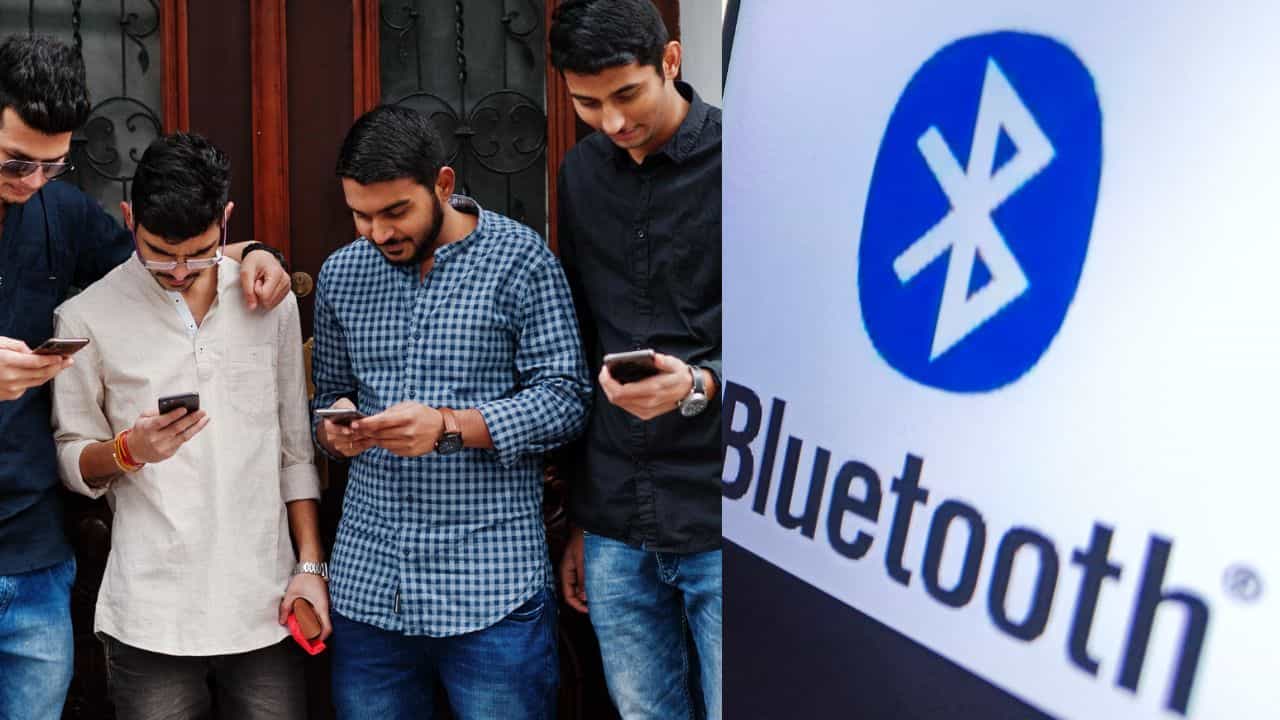
What messages can be sent without mobile data, Wi-Fi or network coverage? At first glance this may seem impossible, but something similar was seen during the Cockroach Janata Party (CJP) demonstration in Central Delhi. During the ‘Sansad Chalo’ march, protesters remained connected to each other despite disruption of 4G and 5G internet services in areas like Connaught Place and Jantar Mantar. Delhi Police is now investigating whether the protesters had resorted to ‘Bluetooth mesh messaging apps’ which work without internet. Let us understand from the perspective of a tech reporter how this technology works.
What is Bluetooth Mesh Messaging and how does this technology work?
Messaging apps like WhatsApp or Telegram require active internet or cellular network to send messages. In contrast, off-grid messaging apps Bluetooth Low Energy (BLE) Work on technology.
-
Local Signal Transmission: When you send a message through this app, it uses your phone’s Bluetooth signal instead of going to an Internet server or mobile tower.
-
Mesh Network: This message reaches all the nearby smartphones which have the same app installed.
-
Chain Reaction: The message from phone ‘A’ goes to phone ‘B’, ‘B’ passes it to ‘C’ and from ‘C’ to ‘D’ – thus the phones themselves act as a small communication bridge or repeater.
Potential and limitations of offline messaging
Although this technology proves to be extremely useful during emergency situations and internet shutdowns, it also has some limitations:
-
Number of users: This network can work properly only when there are many people (smartphones) using that app in the same area.
-
Limited Range and Speed: Traditional Bluetooth has a short range, so messages may take a while to be delivered.
-
Battery Consumption: Constant Bluetooth signal scanning and data relaying drains the smartphone’s battery rapidly.