 look news india

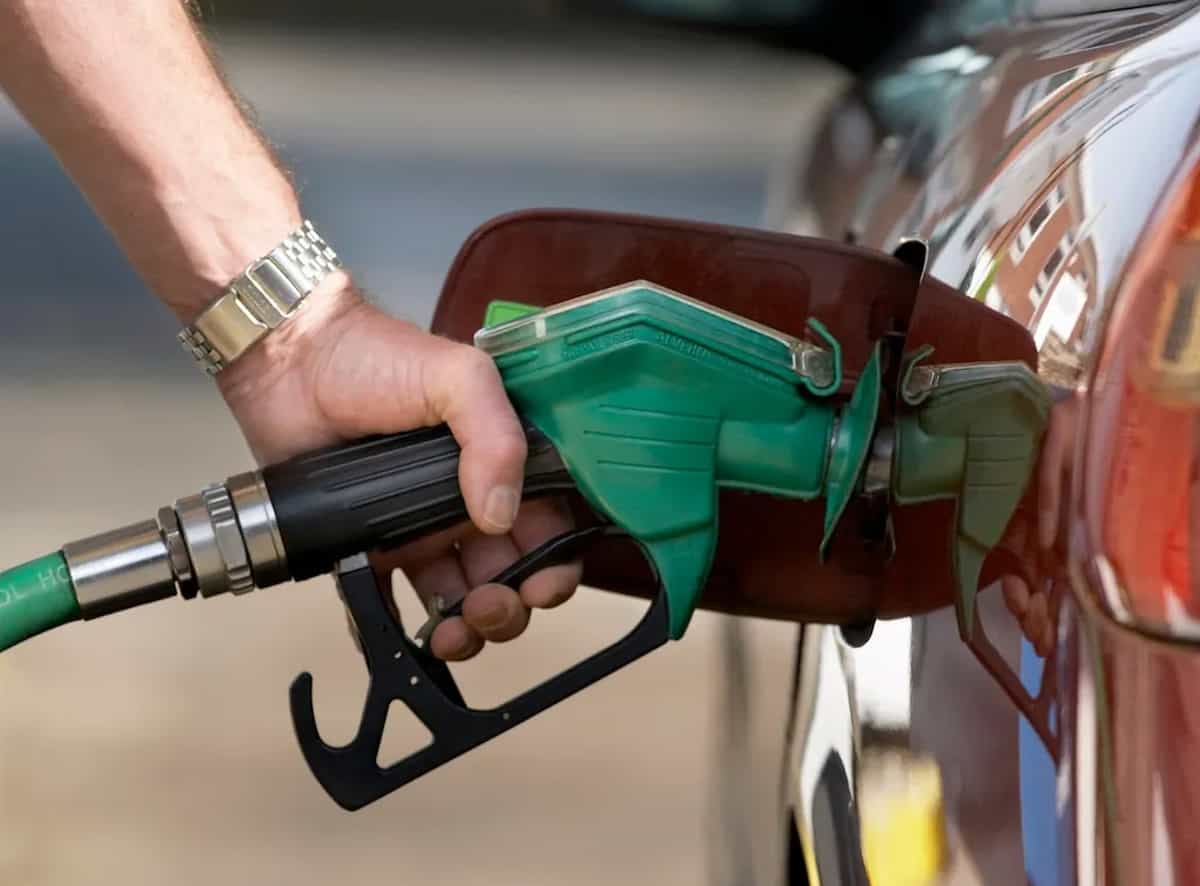
These days, a new debate has erupted among vehicle owners across the country regarding E20 fuel (20% ethanol mixed petrol). Amidst this controversy and the increasing concerns of car-bike drivers, a very shocking news is coming out from the Indian automobile and fuel market. There is a sudden increase in the demand for ethanol-free petrol in the country, due to which the sales figure of premium petrol has more than doubled.
Why are drivers running towards premium petrol?
In fact, the amount of ethanol is now being increased in the normal petrol available in the market, due to which there is a fear of technical fault in the engines of many old and non-E20 compatible vehicles. Vehicle owners complain that E20 fuel is reducing mileage and causing engine parts to wear out quickly. Due to this fear and confusion, people are now turning to expensive and premium petrol (like ExtraPremium, Speed and XP95), which is completely or substantially ethanol-free, to protect their vehicles.
Fuel consumption changed from metro cities to small districts
According to data received from fuel stations, there has been a growth of more than 100% in the sales of premium petrol in metros like Delhi-NCR, Mumbai, Bengaluru as well as in Tier-2 and Tier-3 cities. Local dealers say that while earlier the sale of premium fuel was only a small part of the total sales, now people are willingly buying it by paying higher prices so that the life of their vehicles can be saved.
What is the advice of vehicle companies and experts?
Experts in the automobile sector believe that if your vehicle’s engine is not designed for E20 fuel, then using ethanol-free or premium fuel is a better option for longer engine life. Although the government is continuously emphasizing on ethanol blending to promote green energy, there is clearly uneasiness among consumers regarding the engines of their vehicles. In the coming days, it will be interesting to see what steps companies take to meet this demand.