 look news india
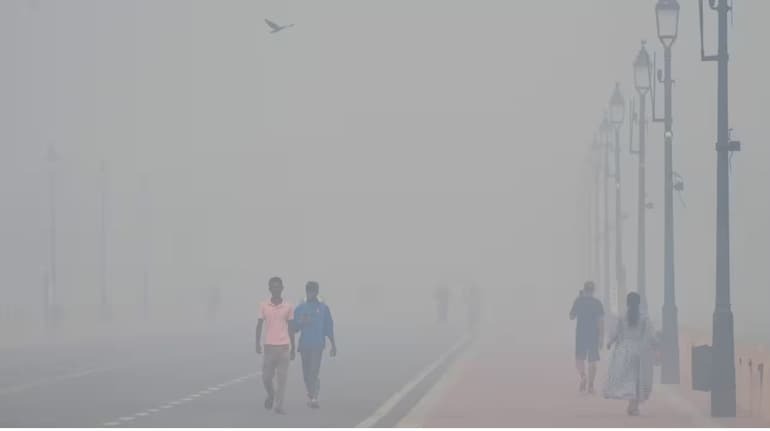
The morning of Monday, 10 November 2025 brought breathing trouble for the people of Delhi-NCR. The entire capital was shrouded in thick, toxic smog, and conditions worsened to the point where air quality in most areas fell into the ‘severe’ category. According to the Central Pollution Control Board (CPCB), Delhi’s average AQI was recorded at 372 (“very poor”) at 7 am, but this figure is far from the reality as many parts of the city have gone into the ‘red zone’.
The air in Bawana is the most poisonous, breathing means poison!
Epicenter of pollution in Delhi today Bawana The area remained where AQI at 7 am 412 was recorded at alarming level. This is a ‘severe’ category, in which even healthy people may have trouble breathing. After this, Wazirpur (397) and Jahangirpuri (394) also remained very close to the ‘severe’ category.
These are the 10 most polluted areas of Delhi (data as of 7 am):
- Bawana: 412 (serious)
- Wazirpur: 397
- Jahangirpuri: 394
- Rohini: 390
- Burari Crossing: 389
- Nehru Nagar: 386
- Anand Vihar: 379
- Mundka: 378
- ITO: 378
- Patparganj: 376
People’s anger erupted at India Gate
Fed up with the ‘air emergency’ that has been going on in Delhi for almost a month, hundreds of people gathered at India Gate on Sunday. Environment lovers, common citizens and leaders of opposition parties protested against the government. The protesters said that when many areas of Delhi are in the ‘severe’ category, why is the government not implementing the most stringent measures (GRAP-III/IV) of the Graded Response Action Plan (GRAP)? He demanded making strict and effective policies to deal with pollution.
What is the meaning of AQI?
- 0–50: Good
- 51–100: satisfactory
- 101–200: medium
- 201–300: Bad
- 301–400: nasty
- 401–500: Serious


