 look news india

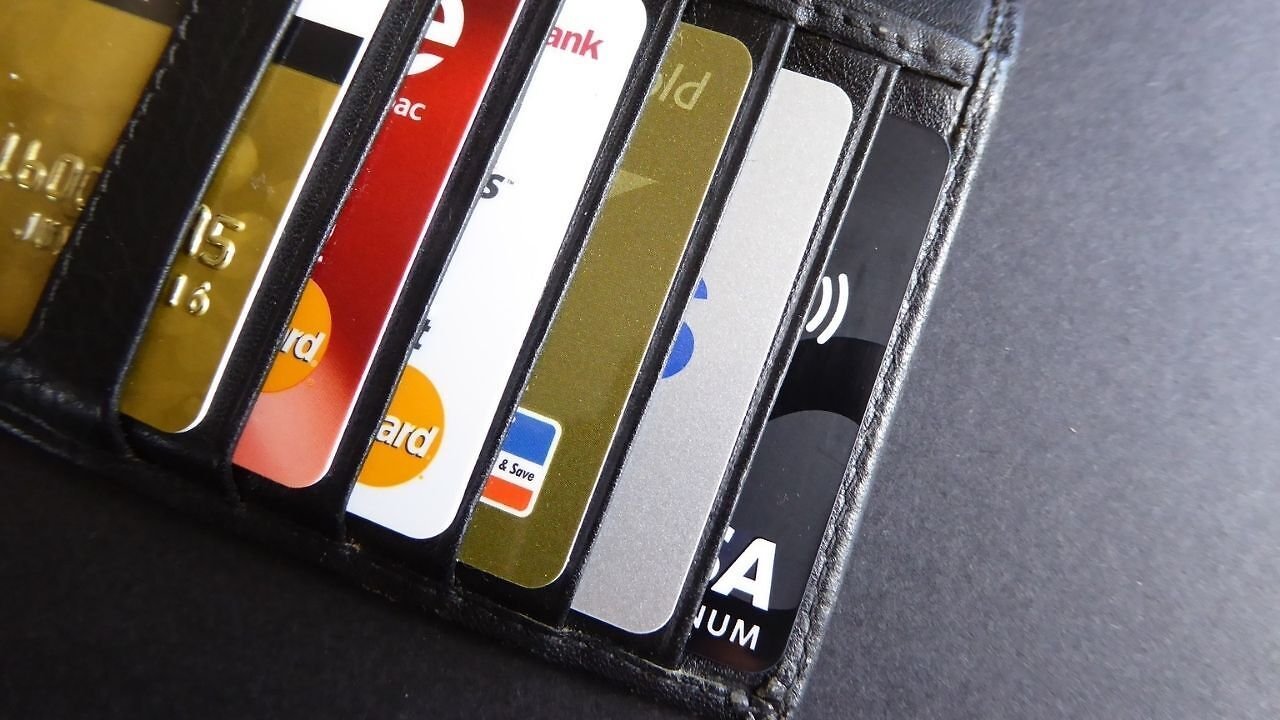
Often people close unused credit cards by calling bank customer care or through the app and assume that the process is complete. But weeks or months later when they check their credit report, that closed account is still in the records of the credit bureaus (CIBIL, Experian, CRIF High Mark). ‘Active’ Or ‘Open’ Is visible. In many cases, even though the outstanding balance may be zero, it continues to add to your total credit limit and ‘accounts in hand’.
This situation can prove to be extremely harmful to your financial health:
-
Obstacles in loan approval: When you go for a new home loan or personal loan, banks look at your total open credit lines and consider whether you are at risk of being over-leveraged.
-
Unexpected Charges and Fraud Risk: If the account is not completely closed and any annual fee or indirect charge is deducted at the backend, it may become ‘default’ or ‘overdue’ due to not being paid on time, which may cause your CIBIL score to drop by 50 to 100 points.
There are mainly two reasons why the credit card appears active in CIBIL despite being closed:
-
Reporting Cycle (30 to 45 days): Banks and NBFCs share their customers’ data with credit bureaus only on a fixed date every month. If you closed the card on the 5th and the bank data goes on the 30th, the report will not be updated until the first week of the next month.
-
Technical or clerical default on the part of the bank: The customer service representative ‘suspended’ or ‘blocked’ the card but did not permanently mark it as ‘Closed’ in the Core Banking System (CBS) and send a report to the bureau.
1. Obtain ‘No Dues Certificate’ (NOC) or closure confirmation from the bank
Don’t just rely on verbal assurances or SMS. After card closure, formal NOC (No Objection Certificate) Or Account closure letter Ask for. It should clearly be written that:
-
There is no outstanding balance under the card account number.
-
The account has been permanently closed. This document is your biggest primary evidence for any legal or CIBIL dispute.
2. Lodge a formal complaint with the Customer Grievance Cell of the issuing bank
If more than 45 days have passed since the card was closed and the report has not changed, send an email to the bank:
-
Mention the card type, last 4 digits and closure request number.
-
Attach screenshot of CIBIL report where the account is still showing ‘Active’.
-
Demand the bank to immediately instruct its credit bureau reporting cell to update the status to ‘Closed’ in the next 15 days.
3. File ‘Online Dispute’ on CIBIL portal
Along with informing the bank, you can also file a dispute for error rectification directly on the CIBIL website:
-
Visit the official website of CIBIL (cibil.com) and log in with your username-password.
-
‘Credit Reports’ Go to section and ‘Dispute Centre’ Select option.
-
‘Dispute an Item’ Click on and select the credit card account of the concerned bank.
-
Go to ‘Account Status’ or ‘Ownership Details’ category and select the complaint and write that this account has been closed, it should be marked as ‘Closed’.
-
Upload the NOC or email confirmation issued by the bank as proof and submit the dispute. CIBIL will give you a 9-digit Dispute ID.
4. If there is no solution within 30 days, approach the RBI Ombudsman.
According to the new guidelines of the Reserve Bank of India (RBI), credit institutions and credit bureaus will be required to resolve the errors lodged by the customer. within maximum 30 days It is mandatory to do. If the bank or CIBIL does not update the status in your report as ‘Closed’ even after 30 days have passed, you can lodge a complaint directly with the Banking Ombudsman on the RBI online CMS portal (cms.rbi.org.in) without any charges. In such cases, damages can also be imposed on the bank.
Do not destroy your old credit card or delete the statement email from the bank without looking at it until you receive the credit card account closure letter. Keep checking to see if the account is being billed ₹0 for at least two billing cycles.