 look news india

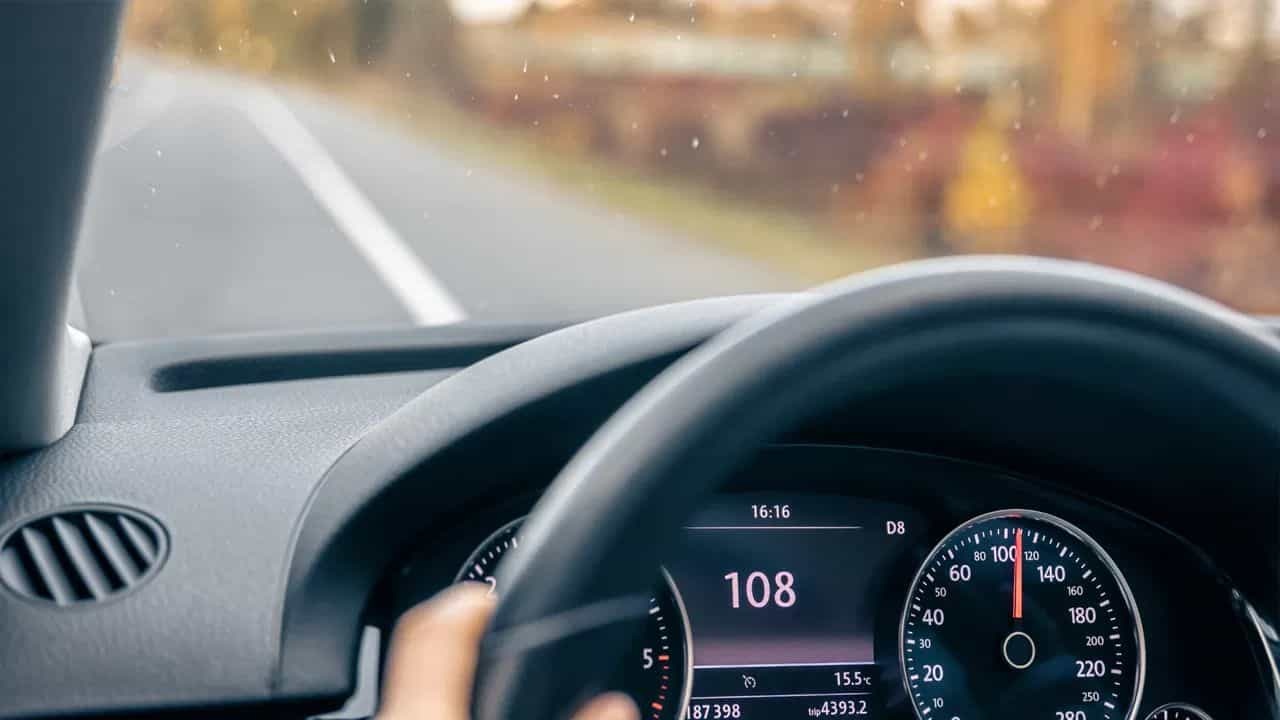
In today’s time, due to the ever increasing prices of petrol and diesel, the first priority of every middle class car owner is that his car should give excellent mileage. While buying a car, people pay full attention to its engine and mileage claims, but they often forget that the mileage of a car depends not only on its engine but also on the way of driving the car (Driving Habits).
If driving is done correctly and scientifically, your existing car can cover more distance with less fuel. The speed of your car plays the most important role in squeezing maximum mileage from the car. Let us understand from auto experts what should be the perfect speed of a car in the city and on the highway and how high speed is heavy on your pocket:
What is the best ‘economy speed’ on the highway? (Highway Fuel Saving)
If you often travel on the National Highway or new expressway, then do not make the mistake of driving too fast after seeing an empty road.
-
Perfect Speed Range: Auto experts clearly believe that for most cars 70 to 80 kilometers per hour The speed is considered the most ideal (economy).
-
Scientific reasons: During this speed range, the engine of the car runs very smoothly (at low RPM) and the vehicle cruises in the highest gear (5th or 6th gear). This reduces fuel consumption to minimum.
-
Avoid giving sudden races: Frequent acceleration and sudden braking on the highway should be avoided. Maintaining a constant speed results in huge fuel savings.
Drive the car at this speed in city traffic
Due to heavy traffic on the busy roads and intersections of the city, there is a compulsion to apply brakes and change gears frequently.
-
Ideal Speed: within the city 40 to 50 kilometers per hour The speed is considered most suitable.
-
Benefits of smooth driving: If you give up the habit of racing suddenly in traffic without any need and then applying brakes suddenly (Aggressive Driving), then there is no extra pressure on the engine and you get excellent mileage even in the city.
Why does the engine become thirsty as soon as the speed crosses 90?
Many people, seeing empty and shining roads, start driving their cars at a speed of 100 or 120 kilometers per hour. But according to the laws of science, as the speed of the car increases, so does the distance in front of the car. Air Pressure (Aerodynamic Drag / Air Resistance) Grows very fast.
| Speed of the car | Fuel Consumption | Impact on Mileage |
| 70 to 80 km/h | Minimum (Average) | Best and maximum mileage |
| above 90 km/h | gradual increase | Gradual decline in mileage begins |
| 110 to 120 km/h | 15 to 20 percent increase | Huge drop in mileage (waste of fuel) |
To overcome this extra and heavy pressure of air and move forward, the engine has to apply more power than usual, due to which it starts sucking petrol or diesel very fast.
4 Easy and Practical Ways to Rocket Car Mileage
If you want to improve the mileage of your vehicle and reduce the expenditure on petrol and diesel, then note these 4 things from today itself:
-
Tire Air Pressure: Always keep the air pressure in the tires as per the standards specified by the company. When there is less air, the friction of the tires with the road increases, due to which the engine has to work harder and the mileage falls.
-
Timely Regular Servicing: Keep changing the car’s engine oil, air filter and fuel filter on time. A tuned and clean engine always consumes less fuel.
-
Reduce vehicle weight: Do not roam around with unnecessarily heavy luggage in the boot space (diggy) of the car. The greater the weight of the vehicle, the more the fuel consumption will increase.
-
Stop the engine at traffic signal: If you have to stop for more than 30 seconds at a traffic signal or jam, it is wiser to switch off the engine rather than keeping it running unnecessarily.
Maintaining correct speed and driving smoothly will not only save you money, but will also prolong the life of your car’s engine and make your journey safer.