 look news india

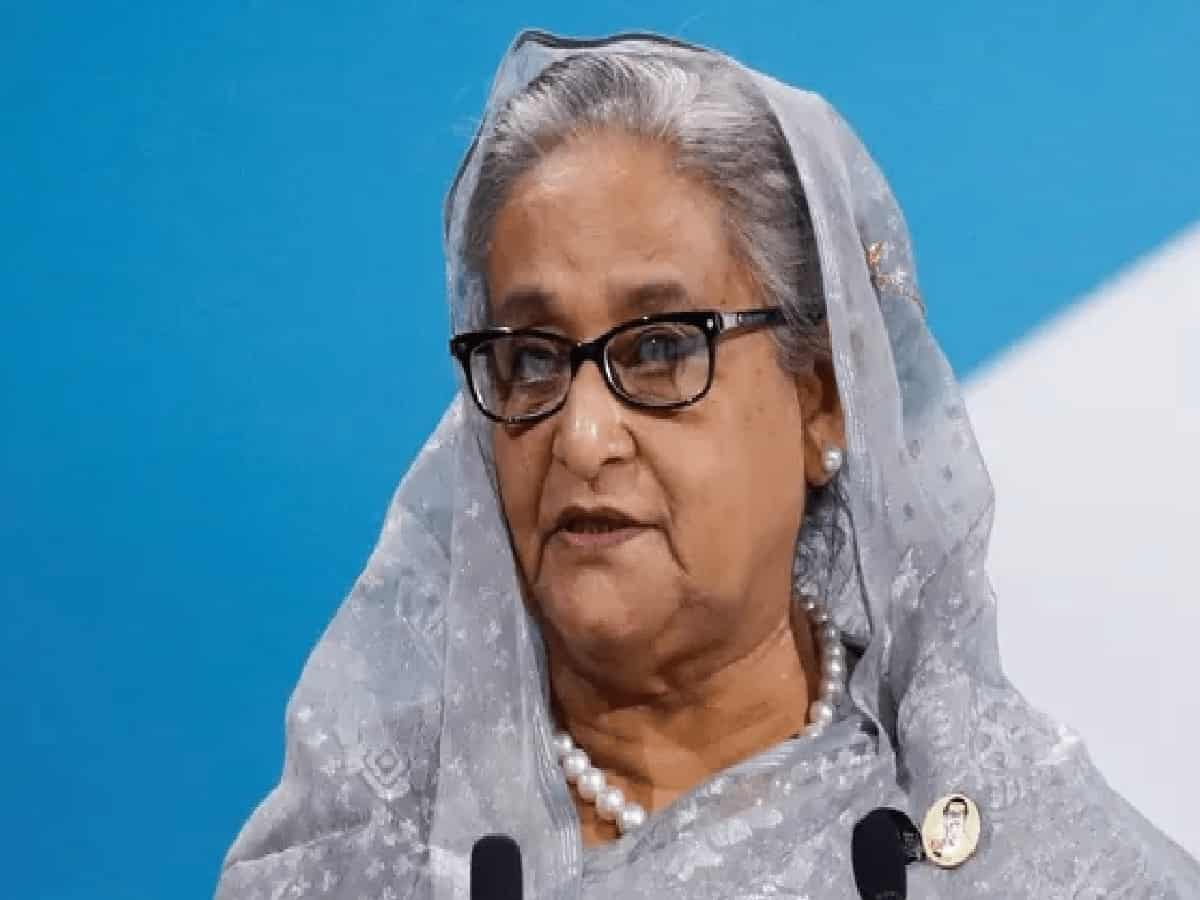
Since the dramatic political upheaval and change of power in Bangladesh, concerns are deepening globally regarding the security of former Prime Minister Sheikh Hasina and the judicial processes going on against her. In this context, senior members of the Parliament of the United Kingdom (Britain) have strongly appealed to their government for immediate active diplomatic intervention. Six UK MPs and an all-party group of leading European politicians have written a formal and detailed letter to British Foreign Secretary Ed Miliband. In this letter the MPs directly urge that the British Government lead a coordinated and effective diplomatic initiative in international forums to ensure that if Sheikh Hasina ever returns to Bangladesh or is tried for extradition, she does not face the death penalty (capital punishment).
After the formation of the interim government in Bangladesh, dozens of serious criminal cases have been registered against the former Prime Minister, ministers and top leaders of his party Awami League, many of which have provisions for the harshest punishment i.e. death penalty on the grounds of treason, human rights violations and murders. In view of the fear of political retaliation, this joint step of British MPs is being considered extremely important. The parliamentarians believe that the current political and judicial circumstances in Bangladesh do not appear conducive to a fair trial, and the international community has a moral responsibility to step forward to protect the rule of law and basic human rights and prevent any former elected head of state from being subjected to political vendetta.
The high-level letter, submitted to Britain’s Foreign, Commonwealth and Development Office (FCDO), has been signed by leading MPs from across Britain’s parties and regions. Signatories include well-known and experienced MP Bob Blackman of the Conservative Party, MP Jim Shannon of the Democratic Unionist Party (DUP) and Seamus Logan of the Scottish National Party (SNP). Additionally, the campaign has been actively supported by three senior members of the Scottish Parliament—Martin Day, Paul McLennan and Alan Browne—as well as Dr. Charles Tanck, a former prominent member of the European Parliament. The coming together of all these politicians belonging to different ideologies on a common platform clearly shows that this matter is not about any party politics, but about global justice and protection of international human rights.
This delegation of MPs has presented to Foreign Minister Ed Miliband a clear diplomatic roadmap of four key priorities, on which Britain has been urged to play a leadership role at the global level. The first point is to provide full legal protection to Sheikh Hasina from the death penalty, physical torture and any form of serious harm. The second point is that a completely transparent, independent and impartial investigation should be conducted into all the allegations made against him. The third point is to ensure direct monitoring by the United Nations or other neutral international bodies during the judicial process, and the fourth important point is to accelerate the process of a credible mediation and all-party political reconciliation to end the ongoing political instability in Bangladesh.
The British MPs have taken a very strong position in their memorandum that the British Government should obtain a clear and binding written assurance from the current administration of Bangladesh and the competent judicial authorities. This document should clearly state that Sheikh Hasina will not be executed under any judicial process, and put in place the necessary statutory safeguards in all relevant international treaties and local regulations to legally implement this assurance. The MPs underlined that Britain has always been a strong supporter of the abolition of the death penalty worldwide, hence the British Government has a historic responsibility to firmly implement this principled stance in the context of Bangladesh.
The letter also expresses serious concern that in the current circumstances, the local courts and prosecution of Bangladesh are being hit hard by political pressure and public anger. Under such extreme circumstances, it is practically impossible for any former leader to receive a free and fair trial without the direct physical presence and monitoring of international observers. The MPs argue that if harsh verdicts are handed down through speedy trials without following internationally accepted legal procedures, it would trigger a new phase of political polarization and unrest within Bangladesh, which could be extremely detrimental to the security and stability of the South Asian region.
Parallel to this diplomatic initiative of British MPs, Amnesty International, the world’s largest human rights organization, has also expressed deep concern over the deteriorating situation of human rights and suppression of freedom of expression in Bangladesh. Amnesty International has unequivocally demanded the interim authorities of Bangladesh to immediately and unconditionally withdraw all treason charges against jailed social activist Champa Goswami for making critical or alleged inflammatory remarks against government policies. The human rights organization says that expressing disagreement or protest against the government’s decisions is a fundamental pillar of democracy, which cannot be suppressed under serious and colonial laws like treason.
The joint assessment of human rights organizations and international legal experts is that since the change of power in Bangladesh, the use of state machinery against dissenting voices, opposition activists and media persons has increased. Legal experts believe that Sheikh Hasina’s case has become a major test of international diplomacy and global law. If Britain and its Western allies do not take concrete initiatives in this direction, it could forever derail efforts to restore democratic institutions and protect human rights in a major country in South Asia. The entire South Asian diplomatic circles are now keeping an eye on the official response to this letter by the British Foreign Office.