 look news india
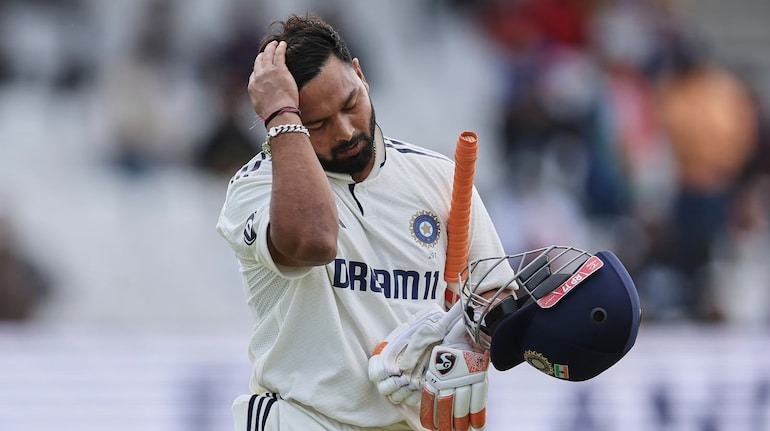
Big change in cricket: Cricket, called Gentleman’s game, is physically quite challenging and risky. Players often face serious injuries on the field, which not only affect their performance, but sometimes their entire career also puts them at stake. Keeping this in mind, the Board of Control for Cricket in India (BCCI) has taken a very big and important step towards the safety of the players.
From now on, in India’s domestic cricket season, the scope of the ‘Concussion Replacement’ has been further enhanced. Under this new rule, if a player suffers a serious injury to the head, neck and throat during the match, his team will be allowed to field a ‘replacement’.
What was the old rule of ‘conversion replacement’?
Before this, this rule is just Kankation Applied only in cases of. Kankhan means internal injury to the brain by hitting or hitting the head. Under this rule, if a player was a victim of conversion, on the advice of a doctor, he could replace a ‘Like-for-Like’ (like-for-like), that is, the same type of player (batsman, bowler instead of the batsman) could be replaced by a bowler. The biggest example of this was Marnas Labushen’s replacement in the Ashes in place of Steve Smith of Australia.
Why did this big change need? (Rishabh Pant’s injury opened the way)
The motivation behind the expansion of this rule has some serious injuries to the players in recent times. Although BCCI has not directly named anyone, it is believed that Indian wicketkeeper-batsman Rishabh Pant’s terrible car accident and then his career crisis forced the board to think seriously about this.
Pant’s injury may not be on the field, but it made it clear how severe the head, neck and spinal cord injuries can be and how long it can take to recover from them. The players have suffered such injuries during fielding or balls often on the field, but in the event of no conversion, the teams had to play with 10 players.
What is the new rule of BCCI?
According to BCCI’s new playing conditions, during domestic matches (eg Ranji Trophy, Syed Mushtaq Ali Trophy, Vijay Hazare Trophy etc.):
- If a player has an external injury on the field Head, neck or spinal cord I suffer some serious injury.
- And the match doctor proves that the player is not fit to participate in the match.
- So, the team may request a replacement player with the permission of the match referee.
This rule will ensure that the team does not have to bear the brunt of the unfortunate injury of a player and the competition of the game remains.
How will it be applied and what are the conditions?
- ‘Like-for-Like’ replacement: Like the conversion rule, the replacement will be ‘Like-for-Laik’ here too. Only an expert batsman can replace an expert batsman.
- Umpire and referee’s decision final: The final decision to replace the player will be of the match referee, which will be taken only after assessing the team doctor’s report and the severity of the injury.
- Batting and bowling conditions: If the injured player has batted or bowled in the innings, the replacement player will not be able to bat again in that innings.
This progressive step of BCCI can also become an example for the International Cricket Council (ICC) to apply this rule globally. This decision further strengthens the policy of ‘player safety first’ and ensures that the cricket field remains a place to show talent, not the arena of serious injuries.

