 look news india

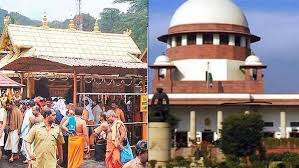
News India Live, Digital Desk: Once again an important hearing was held in the Supreme Court on the legal aspects related to the country’s famous Sabarimala temple case. During this, the apex court made a very important comment regarding the power of judicial review. The bench of Justice Surya Kant and other judges made it clear that it is not appropriate to attack the review power of the judiciary in this manner. The court said these things when during the hearing a debate broke out regarding the traditions of the temple and the right of court intervention.
What is the whole legal matter?
Actually, this hearing was focused on the entry of women in Sabarimala temple and the reference case related to it by the bench of 9 judges. During the hearing, when arguments were being made on whether the court can review religious traditions, Justice Surya Kant intervened. He said that the power of ‘judicial review’ under the Constitution is the basic structure of democracy. This should not be challenged to such an extent that questions are raised on the independence of the judiciary itself.
Religious belief versus constitutional rights
The Sabarimala case has been a battle between ‘religious belief’ and ‘constitutional equality’ since the beginning. While one side says that the age-old traditions of the temple should be maintained, the other side says this is wrong citing Article 14 (right to equality) and Article 25 (religious freedom). The court indicated that it was only looking into the legal questions that have been referred to the larger bench and not to hurt anyone’s religious sentiments.
Strong stance of CJI and Justice Surya Kant
Interrupting the lawyers, the bench said that the power of judicial review is the safeguard that protects the rights of the citizens. If it is weakened or repeatedly attacked, this balance can be disturbed. The court also made it clear that interference in religious matters is allowed only when they violate fundamental rights.
What will happen next now?
A larger bench of the Supreme Court is deeply considering these constitutional questions related to the Sabarimala case. In the coming days it will be decided what should be the extent of court interference in religious practices. This decision will impact not only Sabarimala, but also future lawsuits related to women’s entry into mosques and other religious practices. The whole country is now waiting for the next order of the Supreme Court.