 look news india

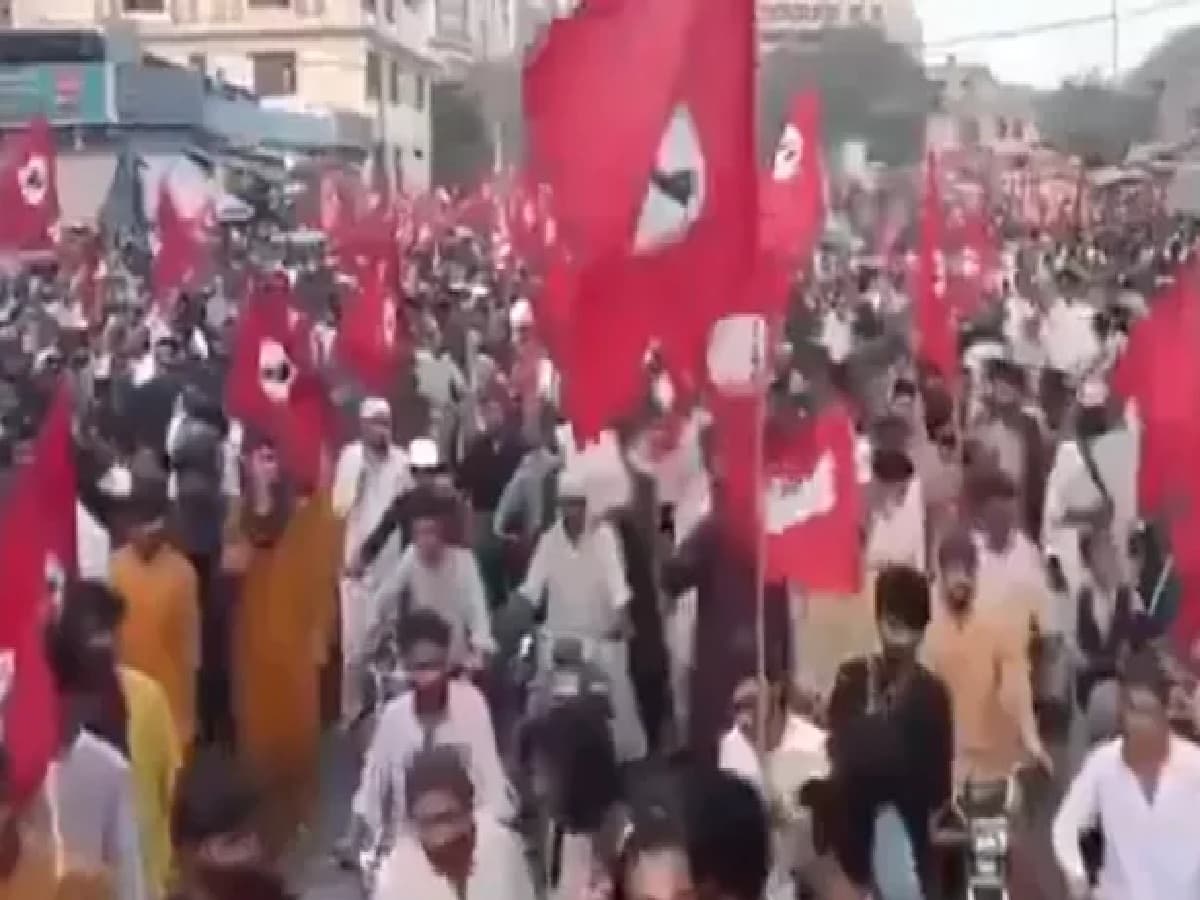
At present, a very serious, sensitive and topic of discussion news is coming out from Islamabad and Karachi to Lucknow and Kanpur, including the entire Uttar Pradesh and the country, related to the internal politics of neighboring countries, discussions on provincial reorganization and major mass movements. Pakistan Army Chief of Staff, Field Marshal Asim Munir By four major provinces of the country—Punjab, Sindh, Khyber Pakhtunkhwa and BalochistanA fierce political battle has erupted over the alleged plan to change the map. against this possible move Karachi Thousands of Sindhi citizens came out on the streets and said in clear words that Sindh Partition will not be accepted under any circumstances. Let us know in detail what are the main points of the protest in Karachi, what are the discussions regarding the proposed administrative change and what strict warning has been given by Bilawal Bhutto-Zardari on this entire incident.
In the protests held in Karachi this week, a large number of people Ajrak Participated wearing scarves and caps. Pakistan Today According to the report, this rally was organized Jeay Sindh Rahbar Committee It was attended by nationalist leaders, political activists, lawyers and common people. Speakers who addressed the rally opposed any change in the existing boundaries of Sindh, saying that there can be no compromise with the land and identity of Sindh, and no decision on the boundaries or administrative structure of the province should be taken without the consent of the people there.
The protesters also said that Sindh’s identity is linked to its ancient history, culture and civilization, hence it cannot be seen only from the perspective of administrative convenience. According to reports, the protesters called for the creation of new provinces or administrative units. Referendum Rejected even the idea of getting it done. The people protesting told the Prime Minister Shehbaz Sharif Appealed to the UN-led federal government and relevant institutions not to take any action that would escalate political tensions or create division within the province, and warned that protests will be carried out through constitutional, legal and democratic means across the province if the decision is imposed against the will of the people.
Under the proposed plan, there is talk of preparation to divide the existing four provinces of the country into about a dozen or more administrative units. The idea is being linked to the Pakistani Army Chief, who is considered to have the most influence despite being the President and Prime Minister, although no official outline of the plan has been made public yet. While it is being projected by supporters as an effort to improve governance, administrative efficiency and bring the government closer to the people, according to analysts, if implemented, it could bring about major changes in the federal structure of Pakistan. The Economist had written in its editorial of October 8 that this move could be an attempt to weaken the political opposition and further strengthen the hold of the army chief.
on this matter Pakistan People’s Party (PPP) Chairman of Bilawal Bhutto-Zardari has also adopted a tough stance. Geo TV According to the report, during an event at the Karachi Press Club on 17 November, Bilawal warned that if Sindh was forcibly divided, the situation could become extremely serious. He said that forced partition will create rift in the society, increase animosity and common people may be forced to take up arms, which may lead to violence and bloodshed. Bilawal clarified that his party is not against the creation of new provinces in accordance with the Constitution, the law and the will of the people, but division done through pressure or force is not acceptable, and described the idea of a referendum instead of the process prescribed in the Constitution as seeking an unconstitutional way as referendums have been used for undemocratic purposes in Pakistan in the past too.