 look news india

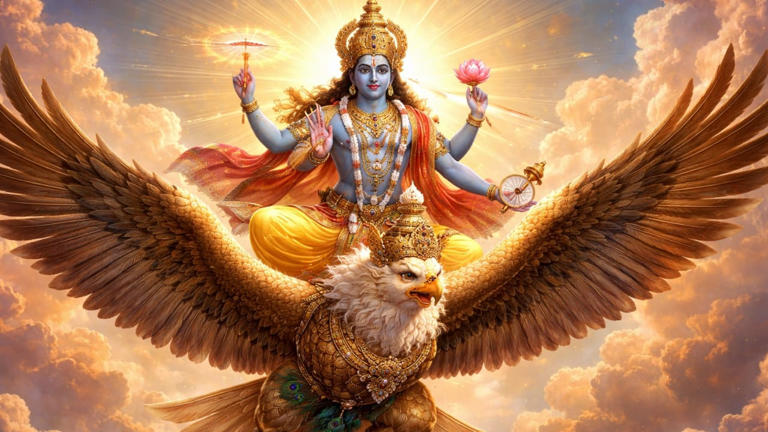
News India Live, Digital Desk: Death is such an inevitable truth that no one can avoid it, but what happens after this end of life? This question has been the center of human curiosity for centuries. of Hindu religion Garuda Purana There is a hair-raising description of the soul’s journey after death. According to beliefs, when the soul leaves the body, the soul does not go to the other world immediately, but remains among its loved ones for 13 days. Let us know the secret of these 13 days and the importance of Pind Daan according to Garuda Purana.
The soul becomes a witness to the last rites
According to Garuda Purana, immediately after death the Yamdoots take the soul to Yamalok, where it is shown the account of the good and bad deeds of its life. After a few hours, the soul is again released to its home. Its purpose is to enable the soul to see its family and witness its own funeral rites. She sees how the bonds of attachment are breaking after he leaves.
Among loved ones for 13 days: a journey of attachment and lamentation
According to the scriptures, the 13 days after death are the time for introspection for the soul. She wanders around her family only. She sees her loved ones mourning and hears their words, but she is unable to contact them. During this time, the soul is in the bondage of attachment and repeatedly tries to enter its body, but is unable to succeed due to the guard of the Yamdoots.
Pind Daan is the ‘pathway’ for the journey to the afterlife.
The path to the afterlife is considered extremely long and painful. According to Garuda Purana, just as we carry food with us while going on a long journey, in the same way food is carried by the family. The offering of libations of water to the gods Serves as food on the way (Patheya) for the soul. This donation and tarpan provides the soul with the necessary strength and energy to complete the difficult journey to Yamalok. Without Pind Daan, the soul keeps wandering, distraught with hunger and thirst.
Thirteenth Rites: Final Farewell to Worldly Ties
The puja performed on the 13th day of death and the rites of Terahavi are most important. The soul which remains bound in attachment for these 13 days is allowed to move forward only after the rituals of this day. With the rites of the thirteenth, the soul leaves behind all the bonds of attachment and illusion of this world and sets out on its last journey to Pitrlok or Yamalok.
Why is recitation of Garuda Purana important?
There is an ancient tradition of reciting Garuda Purana in the bereaved family after death. There are two main reasons for this:
For the soul: This lesson helps the wandering soul to understand that now he has to give up his attachments and move forward, thereby finding the path to peace and salvation.
For relatives: Recitation of Garuda Purana makes the family members aware of the impermanence of life and provides mental and spiritual strength to bear this difficult sorrow.