 look news india
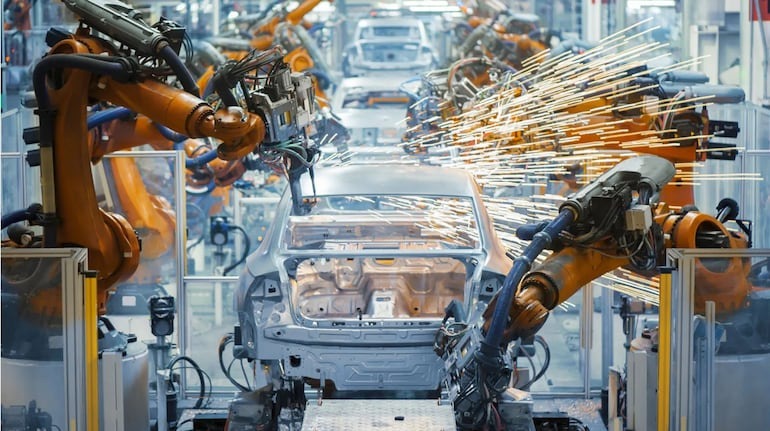
The ongoing takeover battle inside a European semiconductor company has created a stir in the automobile industry around the world. There was such a tussle over control over the Chinese-owned company ‘Nexperia’ based in the Netherlands that the supply of vital parts for vehicles was stopped. The result was that the famous Japanese company Honda had to stop the production of vehicles in one of its big plants in Mexico.
The story started from Netherlands
This whole crisis started in the month of October when the government of the Netherlands, citing national security, used a very old law from the Second World War to control Nexperia. The government said that there are some serious flaws in the management of the company due to which there is a danger of European technology falling into the hands of foreigners.
The move sidelined the company’s Chinese owner, Wingtech Technology (in which the Chinese government also has a stake). Additionally, a Dutch court also removed the company’s Chinese CEO.
Netherlands stuck between America and China
But the real story came out after this. According to reports, US officials had told the Netherlands that if they wanted to avoid US trade sanctions, they would have to remove the Chinese CEO. In fact, America had put Chinese company Wingtech in its trade blacklist only last year and now it was also tightening the noose on its affiliates like Nexperia.
This interference left the Netherlands trapped between two sides. On one hand there was security pressure from America, and on the other hand there was the fear of facing China’s anger. As soon as the Netherlands took control of Nexperia, China immediately counterattacked. He banned the export of chips from Nexperia’s Chinese plant and accused the Dutch government of creating chaos in the world supply chain.
After all, what does Nexperia do?
Nexperia is not a glamorous chip maker like Nvidia or TSMC. It makes very simple but vital chips for vehicles, such as switches, diodes and logic chips. These chips are used everywhere from batteries of electric vehicles to headlights and brake systems of vehicles. Understand that even though the share of these chips in the price of the car is very less, the car cannot be made without them.
Impact on the world of vehicles
As soon as the supply of Nexperia chips stopped, there was panic in car companies around the world. Honda even closed its plant in Mexico, which produces 2 lakh vehicles every year for the North American market.
General Motors (GM) said its teams are working “around the clock” with suppliers to deal with the crisis. Companies like Nissan and Mercedes-Benz are racing to find other suppliers around the world. Companies like BMW, Volkswagen and Volvo are currently working with their reserve stock, but this is just a matter of a few days.
Is there any solution?
Meanwhile, a ray of hope has appeared. Recently there was a meeting between the American and Chinese Presidents, in which both the countries have agreed to reduce trade tensions. This also includes relaxing the restrictions on chip exports.
After this meeting, the Minister of Economic Affairs of the Netherlands is confident that the shipment of chips from China to Europe will resume soon. Honda has also confirmed that they have received indications of resumption of shipments and are planning to restart production at their Mexico plant the week of November 21.

