 look news india

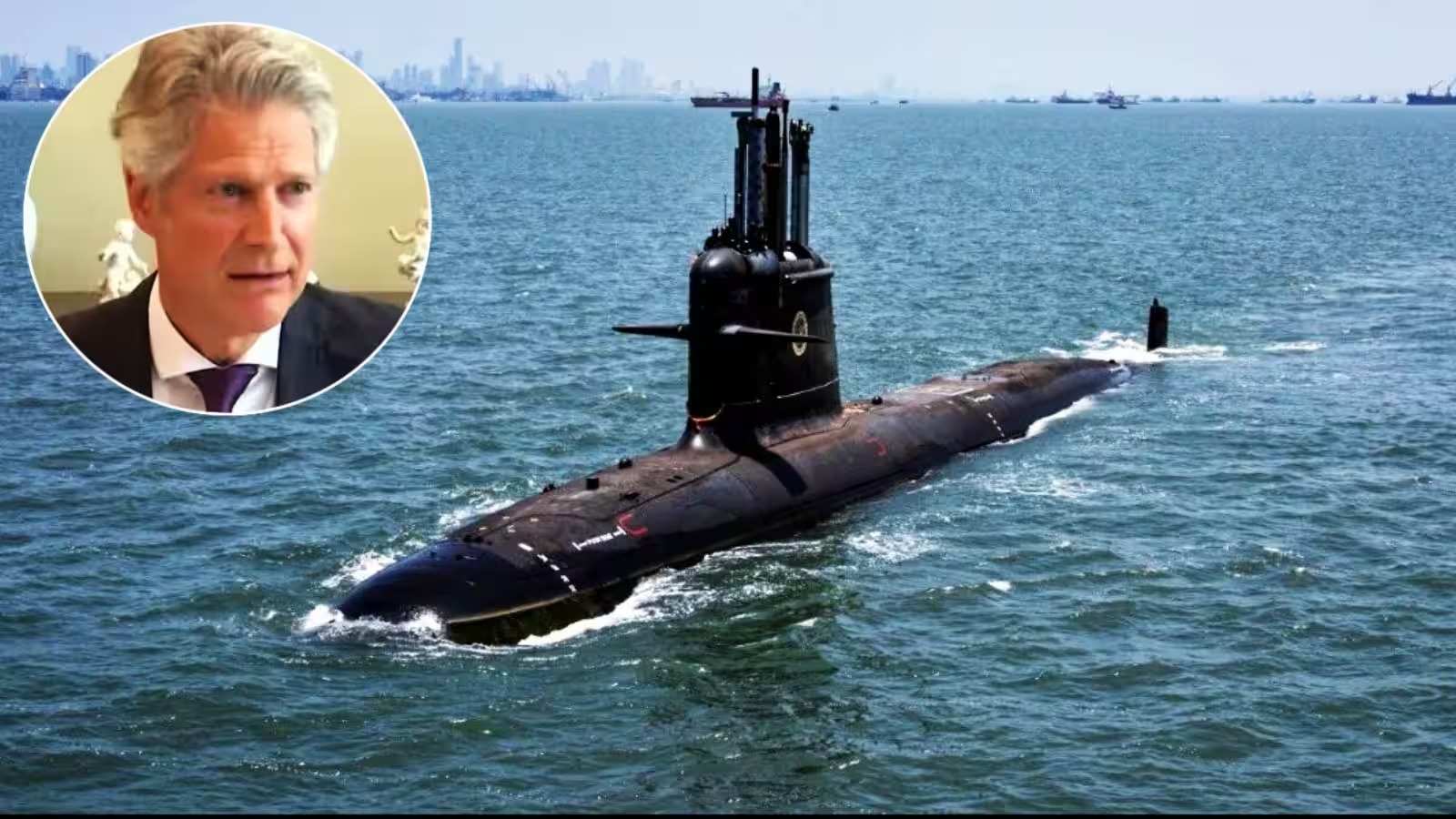
Germany has made clear its commitment towards extensive technology transfer and developing indigenous manufacturing capacity for the ambitious ‘Project 75 India’ (P75I) submarine program that will strengthen the underwater capabilities of the Indian Navy. The German representatives and the leadership of defense company TKMS underlined that this partnership will not be limited to just importing submarines from abroad or assembling them locally, but is focused on moving India towards full design ownership and long-term technological self-reliance. Amidst the changing maritime security equations in the Indo-Pacific region and increasing strategic challenges in the deep sea, this project is considered an important milestone in the defense industrial cooperation between India and Germany.
Under Project 75 India, it is planned to build six advanced conventional submarines with modern capabilities such as Air-Independent Propulsion (AIP) system. According to the German side and TKMS, the proposed framework entails not only assembly rights being given to India, but transfer of the entire design of the submarine and related technical expertise. This will allow the Indian Navy and Indian engineers greater autonomy in the design, upgrades and maintenance of indigenous submarine classes in the future, without having to depend on foreign original equipment manufacturers (OEMs) for every change. Along with this, Germany has cited the experiences of countries like Greece and Italy and said that the model of advanced submarine construction in collaboration with domestic shipyards has been practically successful.
The project proposes a collaboration between India’s leading state-owned shipyard Mazagon Dock Shipbuilders Limited (MDL) and Germany’s TKMS. Amid questions being raised over the timeline and delivery of projects in defense sectors, TKMS has expressed confidence of completing the work within the stipulated time frame, citing its recent delivery record. It has also been said that the responsibility of construction and execution will be shared with MDL and focus will be on increasing the share of indigenous content in a phased manner. Additionally, initiatives such as joint ventures with Indian companies, joint development of sonar technology and submarine motors are also being looked at to strengthen this industrial ecosystem.
While the German side has been talking about readiness and documentary preparations for the agreement at the government level, India’s internal approvals and formal security related processes remain important before the final contract. Experts believe that the real success of any major defense program depends on how deep the technology transfer is, how strong the local supply chain is and how assured the availability of life cycle maintenance and spare parts is. As the process progresses in the times to come, it will become clear to what new heights Project 75 India takes India’s indigenous submarine construction and maritime defense capability.