 look news india

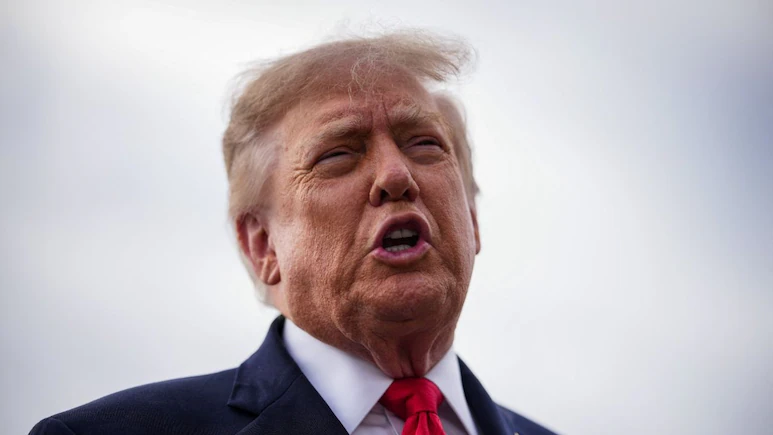
Amid growing sensitivity over global trade policies and tariff regimes, discussions about possible imposition of new tariffs by the US have attracted the attention of exporters, policy makers and economic analysts. Whenever there are pressures or new measures on tariff rates, market access or reciprocal trade terms during bilateral trade negotiations, India’s approach remains balanced, pragmatic and focused on protecting national interests. India’s approach in trade matters has been clear to respond to any unilateral tariffs or barriers through dialogue, diplomatic engagement, product diversification and protection of domestic industries, so as to avoid unnecessary shocks to exporters.
International trade negotiations typically involve intense negotiations on sensitive topics—such as agriculture, dairy, manufacturing, digital trade, intellectual property, and import-export tariffs. When there is talk of new tariffs or duty reviews from the US or any other major partner country, India’s policy has been to ensure mutual benefits, level playing field and protection of domestic sensitive sectors in any agreement. At the policy level, it is also believed that it is more effective to find solutions through concrete data, legal and World Trade Organization (WTO) standards and bilateral discussions rather than panic amid fears of trade tensions or tariff increases.
If import duties increase in a major market, it can have a direct impact on the competitiveness and prices of sectors that are largely dependent on foreign markets. The equation of cost and margin is very important for sectors like engineering products, textiles and apparel, chemicals, pharmaceuticals, gems and jewelery and marine products. However, trade experts say that in this era of restructuring of the global supply chain, India also has options like expanding into new markets, strengthening quality standards and supporting domestic demand. Continuous dialogue between the industry and the government seeks to ensure that the impact of potential duty changes is minimal.
In the modern global economy, tariffs are no longer just a means of raising revenue, but have also become a part of trade protectionism, geo-economic pressures and supply chain strategies. At such a time, on one hand, India is continuing to negotiate bilateral trade relations and agreements with major countries, and on the other hand, it is also opening trade and investment avenues with other regions. Economists believe that a diverse portfolio of exports, logistics efficiency and cost competitiveness make a country more resilient to external tariff shocks.
News on global trade policies and tariffs are closely watched in the industrial and exporting hubs of Uttar Pradesh and North India, including Lucknow, Kanpur, Noida, Ghaziabad, Varanasi and Moradabad. The situation in international markets always remains important for entrepreneurs and employees associated with leather, textiles, handicrafts, engineering and agro-processing. India’s clear stand amid trade talks indicates that the country is working towards a balanced and long-term solution while giving priority to its economic interests and the safety of entrepreneurs.