 look news india

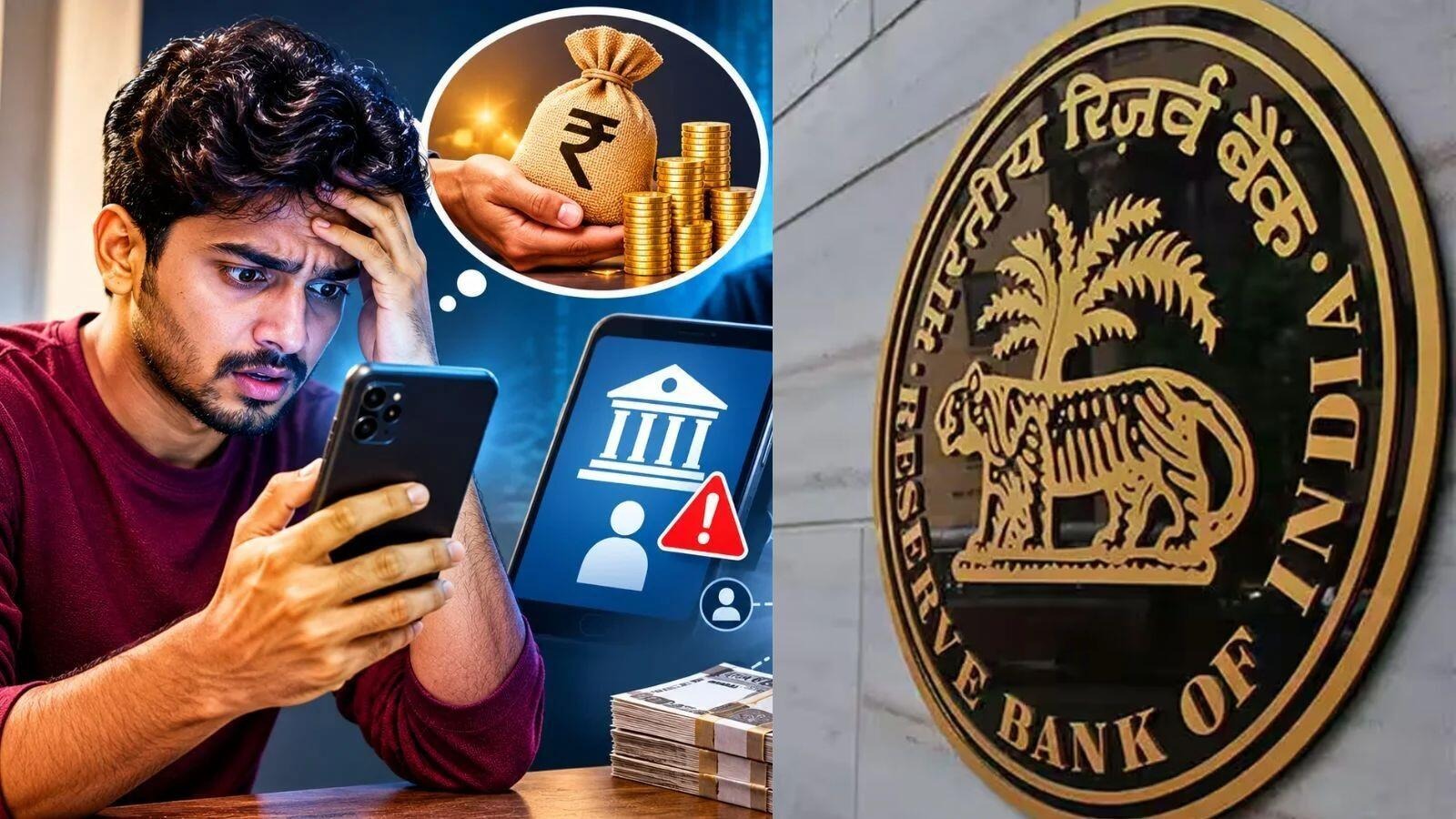
To curb the increasing incidents of cyber fraud and unauthorized withdrawals in the era of digital transactions and mobile banking, the Reserve Bank of India (RBI) has presented a very important draft proposal. Under these proposed rules of RBI, customers will get the facility of ‘Stop Switch’ to immediately stop the transactions going out of the account in case of emergency. Along with this, provisions like custom transaction limit, keeping digital payment channels closed by default in new accounts, approval of ‘trusted person’ (trusted person) for large amounts and widening the definition of negligence of banks in frauds have also been included. At present, this draft proposal has been issued for public consultation, on which suggestions have been sought till 14 December 2026, and after getting the final form, it is proposed to be implemented in 2027.
As per the draft guidelines, ‘Stop Switch’ will be an emergency security feature that will enable account holders to immediately stop customer-induced outgoing debits from their account in case of suspicious activity or credential leakage. When a customer detects any fraud or potential misuse of the account, outgoing payments will be blocked through one feature instead of blocking different channels one by one. When the stop switch is activated, activities like creating new payment mandates, adding new standing instructions or making new UPI registration on third-party payment apps will also be prohibited.
However, RBI has also clarified that activation of the stop switch will not mean freezing of the entire bank account. Incoming credit will continue to flow into the account, while existing recurring mandates or standing instructions and bank-induced debits like charges levied by the bank or loan installments will remain out of its scope. If necessary, customers will be able to disable this feature by completing the prescribed authentication process, and the Bank may impose appropriate cooling-off period or additional security checks before resuming services.
The proposed framework also calls for giving customers the right to set their own limits on their digital payment channels. Under this, customers will be able to set the maximum amount per transaction, daily limit for a particular beneficiary, total daily limit for any one channel or combined daily limit for all digital channels, and even have the option to keep certain channels off for a fixed period of time. This control will also apply to debit cards, credit cards and prepaid payment instruments, including domestic and international transactions and ATM, POS, online and contactless payments.
Additionally, under the ‘Trusted Person Mechanism’ (TPM) customers will be able to voluntarily register a trusted person aged 18 years or above. In case the customer transacts more than the prescribed limit, the transaction amount and beneficiary details will be sent to the person and he will have to approve it within an hour, otherwise the transaction will be rejected. However, this arrangement will not be applicable on UPI, merchant payments and recurring mandates. Also, steps like keeping digital payment channels closed by default on opening of new accounts and including system flaw, security breach or employee-third party collusion in the definition of negligence of the bank are also proposed, in which provisions related to negligence are proposed to be implemented from January 1, 2027 and stop switch and other control provisions are proposed to be implemented from July 1, 2027.
Today, from metros to small cities and towns of the country, UPI, mobile banking and card transactions have become a part of common life. This proposal can become an additional shield of security for crores of digital banking users across the country, including Lucknow, Kanpur, Noida, Ghaziabad, Varanasi, Prayagraj and Gorakhpur in Uttar Pradesh. In cyber fraud cases, the first few minutes are often crucial, and if the customer has the option to immediately stop outgoing payments, the potential financial loss can be significantly reduced.
Experts believe that until these rules are finalized and implemented, customers should continue to regularly use the existing limit settings, alerts and security measures of their bank app and in case of any suspected cyber or financial fraud, they should immediately lodge a complaint on the helpline 1930 or the National Cyber Crime Portal. If these proposals of RBI are implemented, customer control and institutional accountability in digital banking can get new strength.