 look news india

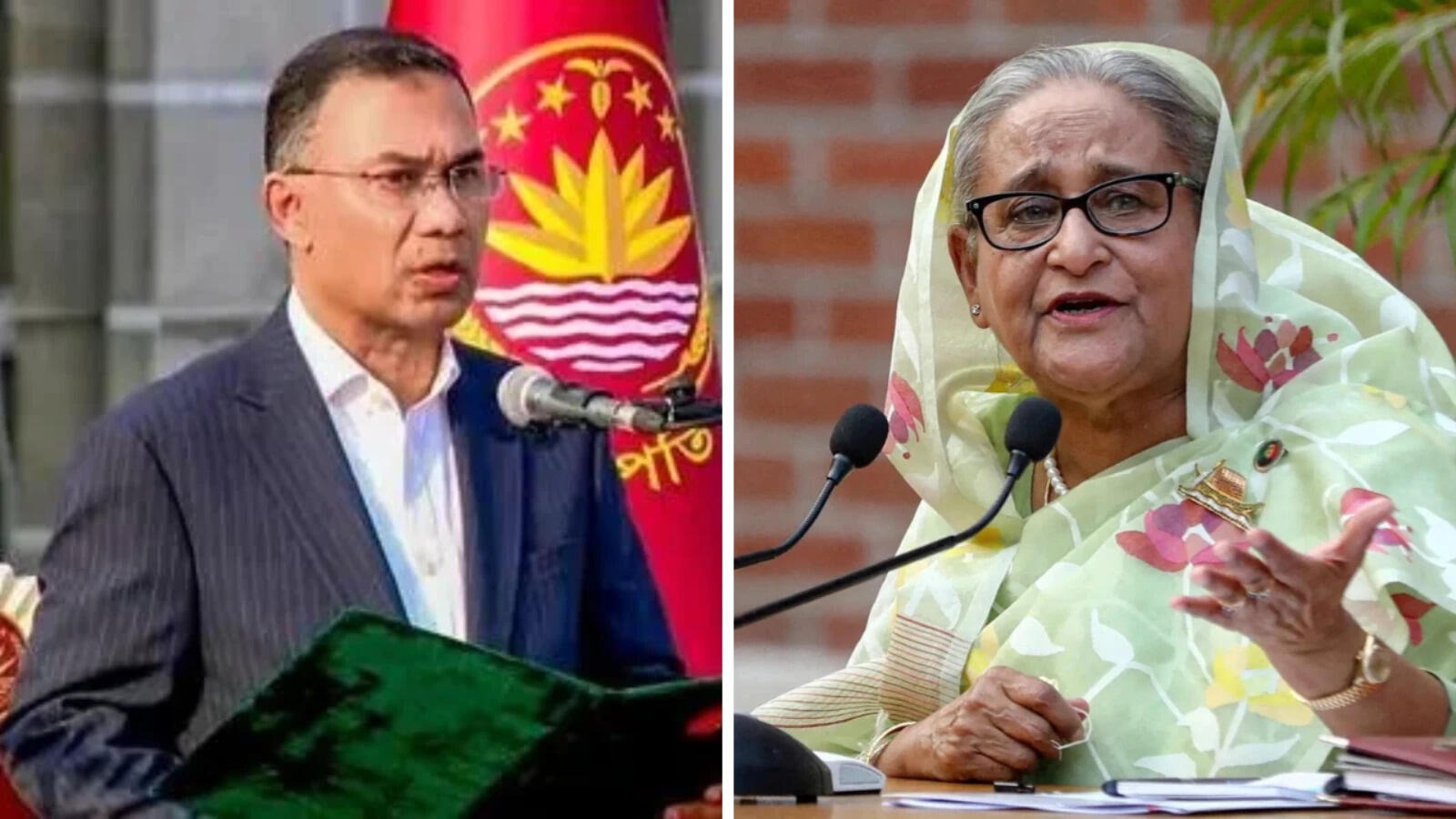
The news of the possible return of former Bangladesh Prime Minister Sheikh Hasina to her country has once again intensified the stir in Dhaka politics and India-Bangladesh diplomatic corridors. After his plan to return from India to Bangladesh came to light in the month of December, the Bangladesh government led by Prime Minister Tariq Rahman has adopted a very aggressive stance. Bangladesh’s Minister of State for Foreign Affairs Shama Obaid Islam has warned in clear words that as soon as Sheikh Hasina steps on Bangladeshi soil, she will be immediately arrested and sent to jail. Dhaka has also made it clear that it is adamant on handing over Hasina as a convict under the existing extradition treaty to India instead of allowing her to return as a normal citizen.
Sheikh Hasina, who came to India after losing power after the student and people’s revolt of July-August 2024, has been living in India for the last two years. Recently, he expressed his desire to return to Bangladesh in December and for this, he also applied for issuance of new passport and national identity card through a London-based legal team. However, the Bangladesh government has rejected all their document applications outright. Minister of State for Foreign Affairs Shama Obaid said in an interview on Sunday that Hasina will have to face the consequences of her actions and the law of the country will take its course against her.
In fact, during a hearing held in Sheikh Hasina’s absence in November 2025, a Bangladesh court had sentenced her to death on charges of crimes against humanity and the crackdown on the 2024 protests. According to United Nations reports, about 1,400 people were killed in the violence during that movement. Hasina’s lawyers argue that when a person is willing to voluntarily return to his country and face court, there is no justification for the extradition process. In contrast, the Tariq Rahman government and Law Minister Mohammad Asaduzzaman say that Dhaka has completed all the legal formalities of extradition and now India has to take a decision on handing them over while respecting the treaty.
With the announcement of Sheikh Hasina’s return, the internal security situation of Bangladesh has also become sensitive. Although his party Awami League was banned after the change of power, party supporters have taken to the streets in large numbers in recent days. The Awami League had called for week-long protests in support of Hasina’s return and a nationwide lockdown on November 19. According to local media and police reports, incidents of crude bomb blasts, vehicle burning and clashes have been reported in at least 28 districts of Bangladesh in the past ten days.
Many policemen and civilians have been injured in these violent incidents, while there have also been reports of loss of life and property in areas like Narail, Faridpur and Pirojpur. Minister of State for Foreign Affairs Shama Obaid has termed this violence as the frustration of the politically bankrupt party and a ploy to save itself. On the other hand, senior Awami League leaders have rejected these allegations and accused the current administration of political repression and inciting violence. Many groups, including National Citizens Party convenor Naheed Islam, have also intensified their demand for strict action against Hasina’s supporters.
This entire incident has posed a complex diplomatic balancing challenge to New Delhi. India’s Foreign Ministry did not give any immediate public reaction to this latest statement, although the ministry has previously indicated that it is examining Bangladesh’s extradition request from legal and diplomatic aspects. According to diplomatic experts, India wants that in the event of any return, full consideration should be given to international legal standards, fair trial and security guarantees.
On the other hand, the Bangladesh government has also clarified that there has been no official discussion with India regarding any special aircraft or arrangement to bring back Hasina. Dhaka says it wants good and balanced relations with India, but will not compromise with its self-respect and national interests. Political stability in Bangladesh is considered vital to the trade and transit interests of the states bordering India on its eastern border—particularly West Bengal, Assam, Meghalaya and Tripura—as well as to North India. It will be important to see in the coming weeks how Sheikh Hasina’s proposed return in December progresses and what diplomatic path New Delhi and Dhaka find on this sensitive issue.