 look news india

West Asia’s most sensitive sea corridors strait of hormuz Once again the rhetoric regarding this has intensified on the diplomatic and military front. Iran has reiterated in clear words that unless its conditions are met, discussion on opening this waterway has no special meaning. On the other hand, the US President donald trump Claims that the US Navy has complete control over the Strait of Hormuz and is not in a hurry to take any major decision. Since the conflict began in late February 2026, this route has remained the largest hub of global energy supplies, movement of oil tankers and international diplomacy.
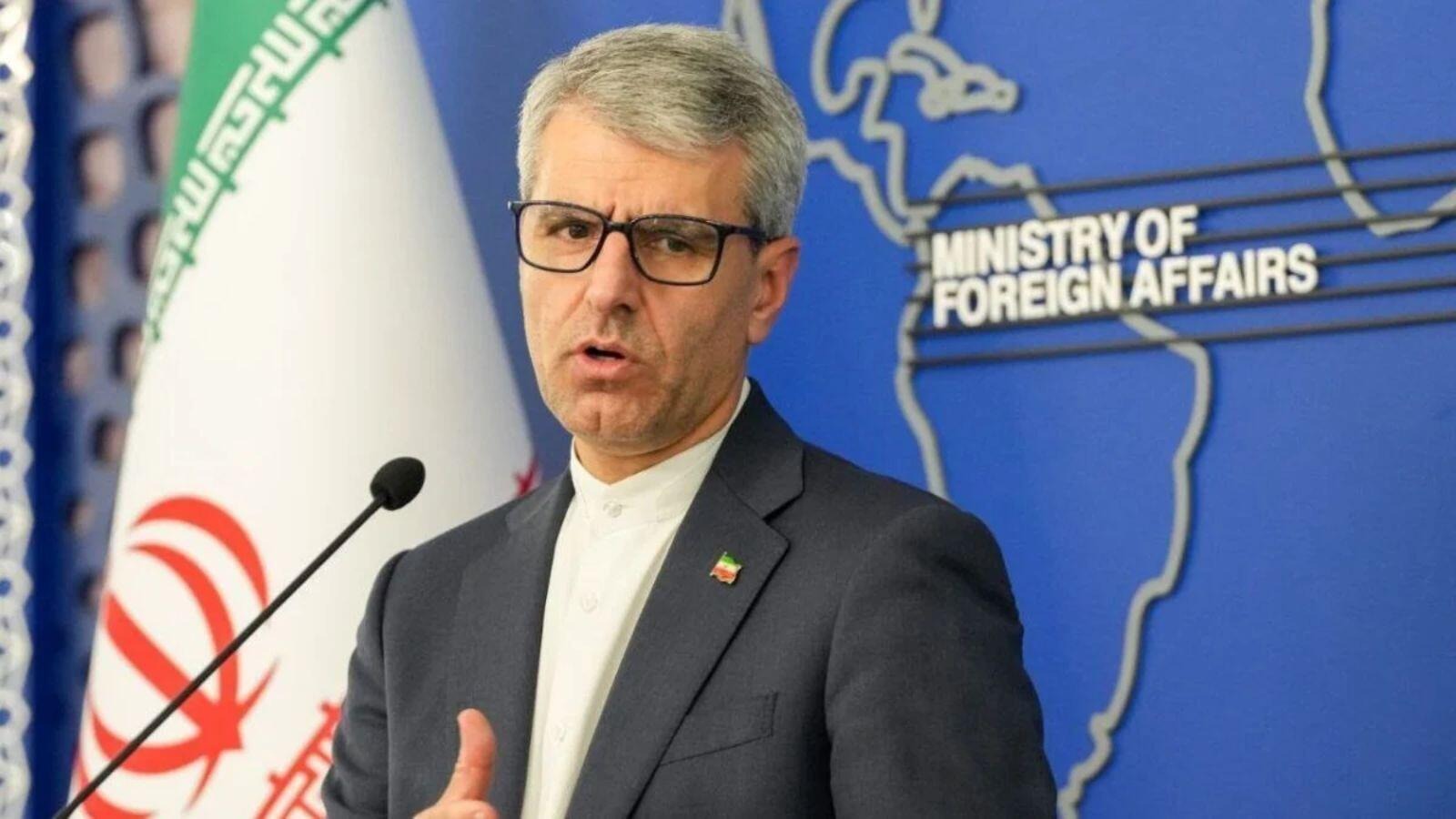
According to the latest statements coming from Tehran, Iranian Foreign Minister Syed Abbas Araghchi Said that if the US keeps its commitments and accepts reasonable terms in Iran’s eyes, the process of reopening the Strait of Hormuz could be very straightforward. He also said that the ongoing talks at the regional level should be given a chance and the US blockade should be removed in a rational manner. Deputy Foreign Minister of Iran Kazem Gharibabadi Referring to talks held in Tehran with Qatari mediators, it also indicated that behind-the-scenes dialogue was continuing, although there appeared to be no relaxation in stance.
The scope of Iran’s conditions is not limited to opening the sea route, but includes broader strategic and economic demands. According to reports, Iran’s demands include an end to the war on all fronts, freeing frozen Iranian assets, lifting sanctions on oil sales and ending the US retaliatory blockade imposed on Iranian ports. Apart from this, in the ongoing exchanges through Qatar and Pakistan, it has also been emphasized that what will be the concrete guarantee that fighting will not resume after the agreement. Araghchi also raised the question that if conflict flares up again shortly after an agreement, then what would be the point of reaching a consensus today.
Even on the nuclear issue, the position between the two sides is not clear. Gharibabadi has clarified that specific negotiations on Iran’s nuclear program have not yet begun and there is no question of sending Iranian nuclear material abroad under any circumstances. At the same time, the Iranian Foreign Ministry has also rejected the American allegations related to the possibility of developing chemical or biological weapons and called them part of the changing statements.
Indications coming from Washington show that President Trump is in no mood to bow down at the moment. He has claimed that due to the US Naval blockade, America has complete control over the Strait of Hormuz and in recent times a large amount of oil has been extracted from there. Trump says that Iran wants a deal, but has not yet presented such conditions that America can accept.
In an interview, Trump said he was looking for a permanent agreement that would permanently prevent Iran from acquiring nuclear weapons. He also said that he is not in a hurry to take any decision and will take a decision on the next step. 2027 Can wait till the beginning. However, on the other hand, such reports have also emerged that Israel and America remain concerned about Iran’s weapons production capacity, due to which the possibility of short-term military tension cannot be completely ruled out.
The impact of the situation in the Strait of Hormuz is not limited only to West Asia or Western countries, but India And it also has direct economic and strategic importance for South Asian countries. Under normal circumstances, about a quarter of the global seaborne crude oil trade and about a fifth of liquefied natural gas (LNG) pass through this narrow waterway. Additionally, the Persian Gulf region is a major hub for global fertilizer exports—particularly urea and ammonia—the disruption of which would put pressure on energy prices as well as agricultural costs and food security.
For an energy importing country like India, instability in this waterway means increased transportation costs of crude oil and LNG, insurance premiums and supply chain uncertainty. This is why policy-makers, energy companies and market analysts from Lucknow to New Delhi and other Indian cities are keeping an eye on whether diplomatic mediation succeeds or the standoff prolongs.
Current developments show that the ball now largely rests on whether both sides are able to find a workable solution within their respective red lines. Iran is sending the message that it is ready for talks but will not agree to conditions under pressure, while the US is adamant on its strategic dominance and long-term security conditions. Amidst the efforts of regional mediators, it will be important to see in the coming days whether the tension in the Strait of Hormuz reduces or this crisis moves towards a longer stretch.