 look news india

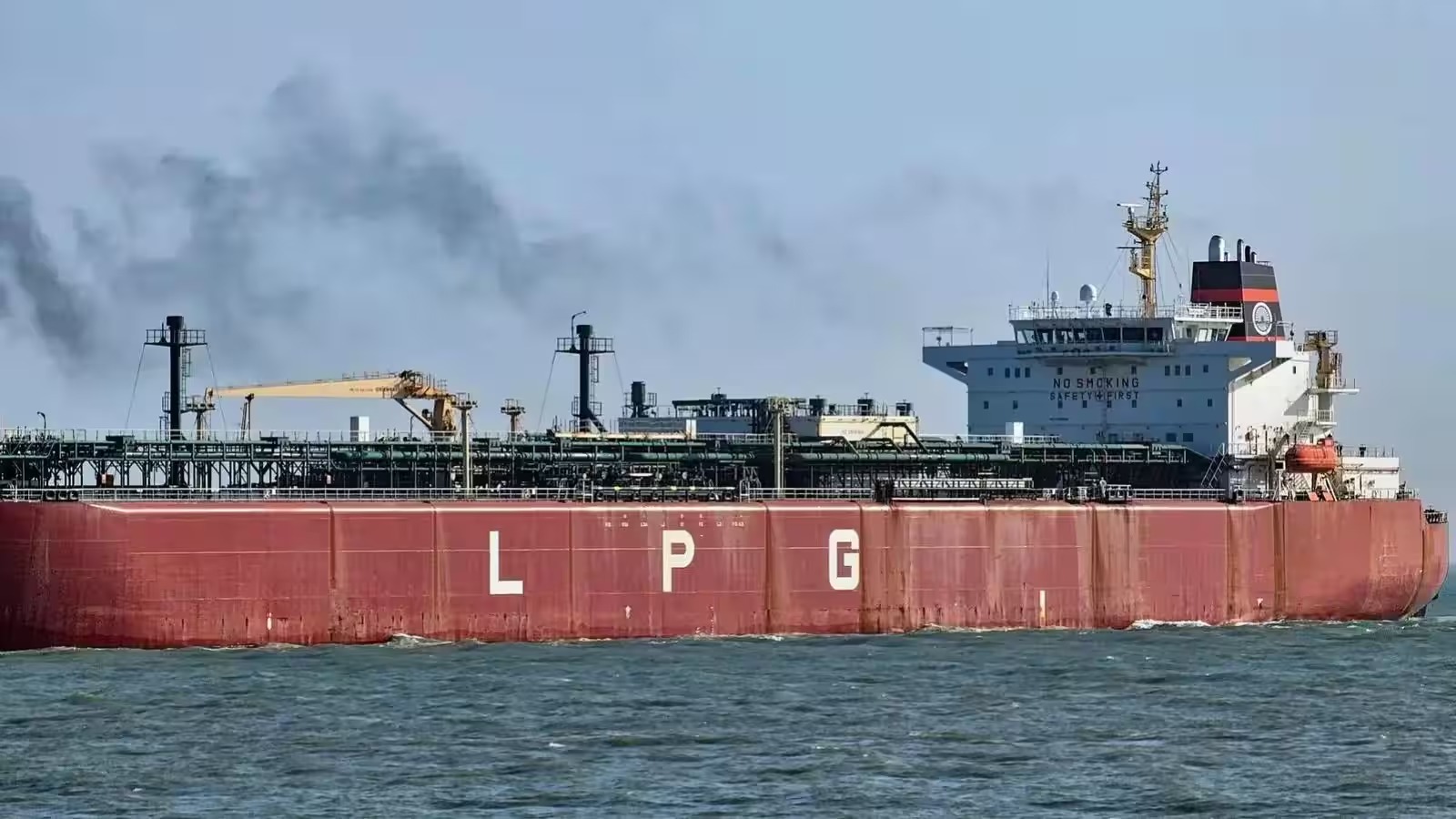
To give a new impetus to India’s maritime trade and shipping sector, the Central Government has made important changes in the rules related to registration of ships and inclusion in the fleet. Under the new system, the way has now been opened to include even 20 year old ships in the Indian fleet, which can increase the range of options available to Indian shipping companies. The decision is being seen as a practical step amid the global shortage of ships, high charter rates and growing maritime trade needs. There is interest among the businessmen, exporters and youth across the country, including Kanpur, Lucknow, Prayagraj and Varanasi in Uttar Pradesh, in such policy decisions related to maritime logistics and employment, which have a direct or indirect connection with the country’s import-export economy and infrastructure.
International maritime trade these days sees fluctuations in charter and procurement costs due to delays in delivery of new ships and pressure on shipbuilding capacity. In such a situation, when 20 year old ships are allowed to be brought into the Indian fleet, shipping companies may get the option to increase capacity at lower cost or relatively faster. The availability of additional vessels could support the supply chain, particularly in operations involving domestic coastal movements, bulk cargo, energy transportation and regional trade. However, it is important for companies to balance aspects such as fuel efficiency, maintenance and insurance when operating any legacy ship.
With relaxation or change in age limit rules for ships, maritime safety, environmental standards and technical fitness scrutiny become the most important aspects. Under International Maritime Organization (IMO) standards, class society certifications and the inspection rules of the Shipping Authority of India, any ship must meet its structural strength, navigation equipment, emission standards and safety systems before being put to sea. Policy experts believe that prioritizing rigorous technical testing and regular audits in the process of decommissioning old ships can maintain the reliability of the fleet and reduce any maritime or environmental risks.
India conducts a large portion of its foreign trade through sea routes, and strengthening the country’s ports and shipping capacity is part of its long-term economic strategy. Increasing the share of Indian flagged ships enables foreign exchange savings, stability in logistics costs and strategic autonomy. From industrial and business hubs like Kanpur and Lucknow to the country’s major ports, when sea freight and supply chains become more flexible, it has a positive impact on exporters, supply chain businesses and the overall business environment.
Once the new shipping regulations come into effect, it will be important to see what types of vessels shipping companies show interest in adding to the fleet—such as bulk carriers, tankers or container vessels. Additionally, the industry will keep an eye on how banking and insurance sector conditions, operating expenses on older ships and regulatory compliance progress. Overall, this move to induct 20-year-old ships into the Indian fleet marks a much-talked-about policy change towards enhancing maritime capability.