 look news india

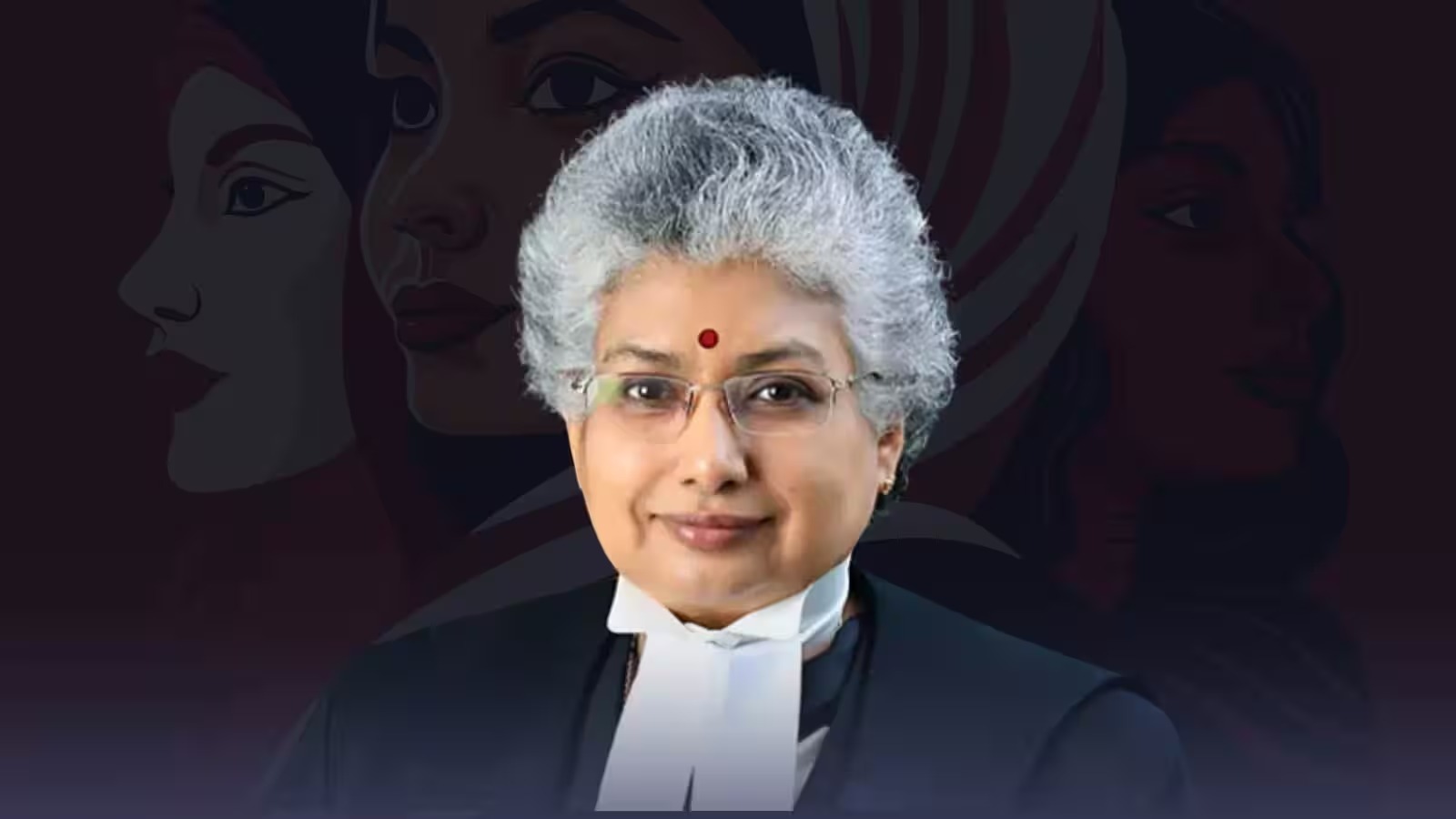
A serious discussion has once again started regarding the participation of women in the Indian judiciary and women leadership in the highest positions. Senior Supreme Court judge Justice B.V. Nagarathna, while sharing her feelings about women’s representation and high positions during a recent program, expressed her pain that just because one woman reaches a high position, the broader picture does not change, but the presence and participation of women at every level of the system is very important. Even after decades of independence, no woman has been able to become the Chief Justice of the Supreme Court of India, and Justice Nagarathna’s name has been prominently mentioned among the possible contenders for this historic post. From the cities of Uttar Pradesh including Kanpur, Lucknow, Prayagraj and Varanasi to law students, advocates, women and common citizens across the country, such statements related to gender balance and representation in the judiciary always give rise to deep thoughts.
When the number of women in top positions in an institution or system is extremely limited, sometimes the appointment of a single woman is considered to be complete representation. Justice Nagarathna’s comments highlight the limitations of this assumption. A woman rising to a senior position can undoubtedly be inspiring and historic, but institutional diversity remains incomplete if the number of women remains disproportionately low from lower and middle levels to top decision-making roles. The inclusion of different social and gender experiences in the judicial process makes the approach more comprehensive, so the question arises again and again about how to make the range of opportunities for women stronger and more sustainable.
Justice M. Fathima Beevi became the first woman judge in the history of the Supreme Court of India, and since then only a handful of women have reached the Supreme Court bench. From the District Judiciary to the High Courts and the Supreme Court, there have been reports, parliamentary committees and discussions on judicial forums from time to time regarding the participation of women. Many practical, familial and structural challenges have also been mentioned in the path of women progressing from the bar to the bench. In such a situation, the words of an experienced judge like Justice Nagarathna are not seen as just an emotional comment, but as an indication of the need for introspection and reform within the system.
A large number of young women are preparing for advocacy and judicial services in big judicial and educational centers like Kanpur and Lucknow of Uttar Pradesh. When a judge of the country’s top court speaks openly about women’s representation and high positions, it also impacts the morale and aspirations of the new generation of youth who want to move forward in law and public life. For a strong democracy and fair institutions, it is considered necessary that every class and every gender gets equal opportunities and respect.
Ensuring meaningful participation of women in the judiciary, administration and other spheres of public life is not possible in a single day or a single appointment, but requires continuity of encouragement, support and equal opportunities from the initial level to the top. Justice B.V. Nagarathna’s comments once again remind us that the real value of women’s presence in senior positions can be realized only when more and more women get equal opportunities to advance and lead. In the times to come, this topic will remain at the center of discussions related to judicial appointments, women’s participation at the Bar and institutional reforms.