 look news india

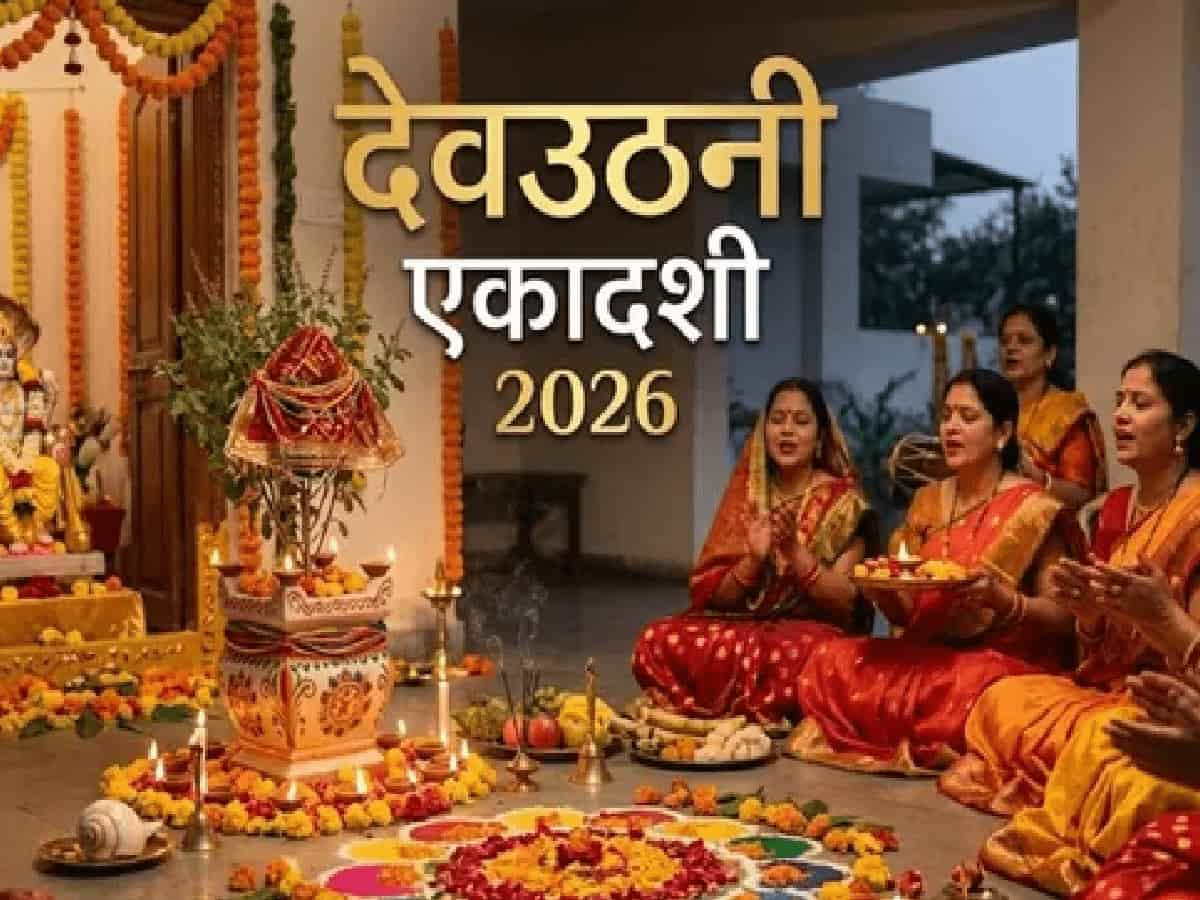
In Sanatan Dharma and Indian folk traditions, festivals are not just religious rituals, rather they are a vibrant confluence of nature, seasonal cycles, faith and collective joy. हिंदू पंचांग के अनुसार कार्तिक मास के शुक्ल पक्ष की एकादशी को मनाया जाने वाला ‘देवउठनी एकादशी’ का पर्व ऐसा ही एक अत्यंत पावन और शुभ अवसर है, जिसे ‘देवोत्थान एकादशी’ और ‘प्रबोधिनी एकादशी’ के नाम से भी जाना जाता है। According to religious beliefs and mythology, on this special day Lord Vishnu, the sustainer of the world, wakes up from four months of deep ‘yoga nidra’. With this, the four-month long Chaturmas ends and the auspicious beginning of marriage, house warming, mundan and all other auspicious functions takes place in the world. उत्तर भारत से लेकर अवध, बुंदेलखंड, ब्रज और देश के विभिन्न हिस्सों—जिनमें उत्तर प्रदेश के उन्नाव और आसपास के ग्रामीण व शहरी अंचल भी शामिल हैं—इस दिन घरों और मंदिरों में भक्ति का अनोखा वातावरण देखने को मिलता है। Devotees blow conch shells, gongs and gongs to invoke Lord Vishnu, while at many places women perform the sweet ritual of awakening the deities with soulfulness by singing traditional folk songs. Let us know in detail which special song is sung on this day, what is the meaning behind it and what are the traditions related to puja and Tulsi Vivah.
On the day of Devuthani Ekadashi, Lord Vishnu is duly worshiped in the auspicious time of morning or evening. In many areas of the country, during puja, women of the family and devotees sing traditional folk songs to arouse love and reverence for God. There are slight differences in the words of this folk song according to regional dialects and traditions, but its basic meaning remains the same everywhere. It is said in a very popular folk song – “Utho Dev, Baitho Dev, Patkali Chatkao Dev. Dev slept in Ashadh, Jaage Dev in Kartik…”. While singing this folk song, women also traditionally play thali or parat. According to folk beliefs, by doing this Lord Vishnu awakens from his four-month long Yoga Nidra and auspicious and auspicious activities begin once again in the world. This tradition shows that in Indian culture God is not considered merely as a distant power, but as a very intimate and loved member of the family.
On Devuthani Ekadashi, along with traditional folk songs, a special Sanskrit mantra is also chanted to awaken Lord Vishnu. This mantra is – “Uttisthottistha Govind Tyaj Nidram Jagatpate. Tvayi Supte Jagannath Jagat Suptam Bhavedidam.” इस मंत्र का सरल और गहरा अर्थ है कि हे भगवान गोविंद! Get up and leave your yoga nidra. O Lord Jagannath of the world, due to your sleep the entire world also appears to be in a state of sleep, hence wake up now and do good to the universe and the devotees. There is a religious belief that by reciting this mantra with devotion, Lord Vishnu is pleased and bestows grace, prosperity and blessings on his devotees.
On this auspicious occasion, devotees wake up early in the morning, take bath and worship Lord Vishnu at their home’s worship place or temple. In many houses, symbols of God’s feet are made in the courtyard and place of worship and rangoli and squares are decorated. In the evening, lamps are lit, conch shells and bells are rung and fruits, sweets, sugarcane, water chestnuts and other seasonal food items are offered to the Lord, after which the ritual of awakening him is completed through songs and mantras. Apart from this, ‘Tulsi Vivah’ is also organized grandly at many places on the day of Devuthani Ekadashi. Under this tradition, Mother Tulsi is married to the Shaligram form of Lord Vishnu. It is considered a very sacred and auspicious tradition of Hindu religion. It is believed that solemnizing Tulsi marriage brings happiness, peace, prosperity and well-being in the family, and from this day the process of other auspicious works including marriage also starts.