 look news india

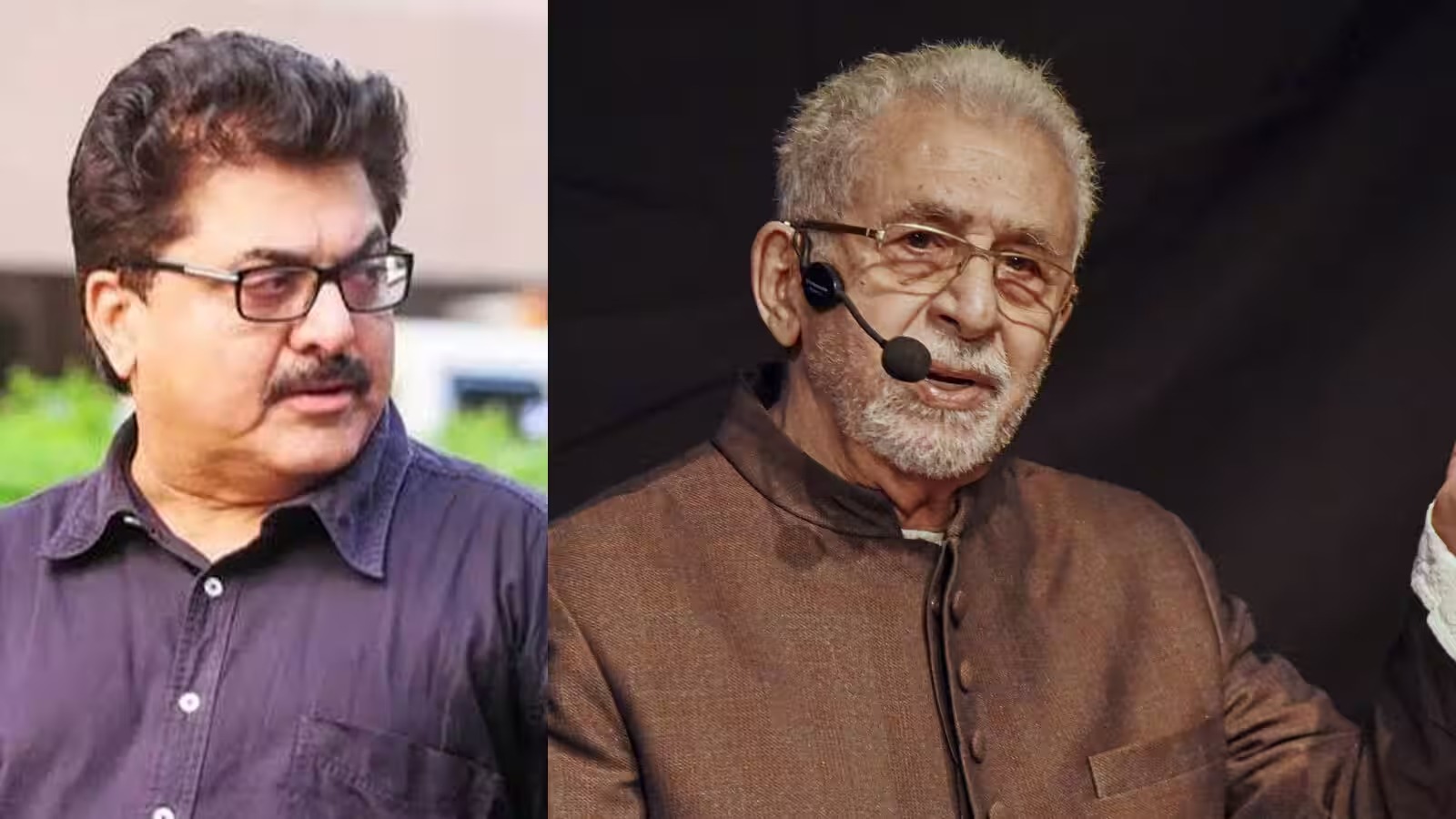
The recent statement of veteran Bollywood actor Naseeruddin Shah has created a new political and social controversy amid the ongoing protests over the restoration of the student union in Delhi’s prestigious Jamia Millia Islamia University. Famous filmmaker and social activist Ashok Pandit has sharply retaliated on the statement of Naseeruddin Shah, who openly supported the protesting students of Jamia and proudly called himself a ‘mindful Naxal’. Ashok Pandit strongly condemned the language and style of the senior actor, saying that he has completely lost all decorum and etiquette in public life. This war of words between two well-known personalities of the film industry has created a stir in the political and cultural circles of the country.
The whole controversy started when Naseeruddin Shah released a video message on his social media accounts. In this video, the actor expressed solidarity with the students of Jamia Millia Islamia who are on hunger strike and protest demanding the reinstatement of their chosen student body, which has been banned since 2006. Shah not only defended the democratic rights of the students but also strongly attacked the policies of the central government. In his statement, he took a dig at the dissenting citizens being called ‘tukde tukde gang’ or ‘anti-national’ and called himself a ‘mindless Naxal’. He alleged that the present system is trying to break the morale of the youth of the country and harm the autonomy of educational institutions.
Reacting to this statement of Naseeruddin Shah, filmmaker Ashok Pandit adopted a very aggressive stance while talking to news agencies. Pandit said that Shah has become accustomed to constantly using abusive language and his public behavior shows deep frustration and disappointment. He said that such language and indecent conduct cannot be expected from a senior and educated artiste. According to Ashok Pandit, the kind of terminology Naseeruddin Shah is using clearly shows that he has lost the basic etiquette of communication. Pandit also claimed that Shah’s conduct was not just limited to political protest but reflected his personal insecurity.
During his conversation, Ashok Pandit also alleged that Naseeruddin Shah and a certain section of people who agree with his views are not able to accept the ideological change coming in Indian cinema. He said that in recent years, films like ‘The Kashmir Files’, ‘The Kerala Story’ and ‘Dhurandhar’, which have been achieving immense success at the box office, do not match the thinking and narrative of people like Shah. Pandit claimed that due to the immense public support these films are getting, insecurity and inferiority complex have crept in the senior actor. He believes that when the audience has started liking cinema based on new and real issues, moving away from the old ideology, then some people are getting nervous and resorting to anti-national statements.
During the conversation, Ashok Pandit escalated the controversy and even suggested Naseeruddin Shah to seek medical consultation. He said that the way Shah vents out his frustrations in front of the camera, it seems that he should get himself examined by a psychiatrist, because his behavior does not seem like that of a normal person. Along with this, Pandit also made serious allegations against Shah of being associated with ‘Urban Naxal’ and ‘Tukde-Tukde’ system. He reminded that Shah had earlier also made inappropriate comments against many other respected artists and directors of the industry.
After this incident, a heated debate has erupted in the cultural environment of the country’s capital Delhi and the entertainment city Mumbai. On one hand, supporters of students’ rights and freedom of expression are considering Naseeruddin Shah’s statement as reasonable, while on the other hand, supporters of nationalist ideology are appreciating Ashok Pandit’s stance. This controversy has once again proved that Bollywood is no longer just a means of entertainment, but it has also become a major center of burning political and ideological conflicts in the country.