 look news india

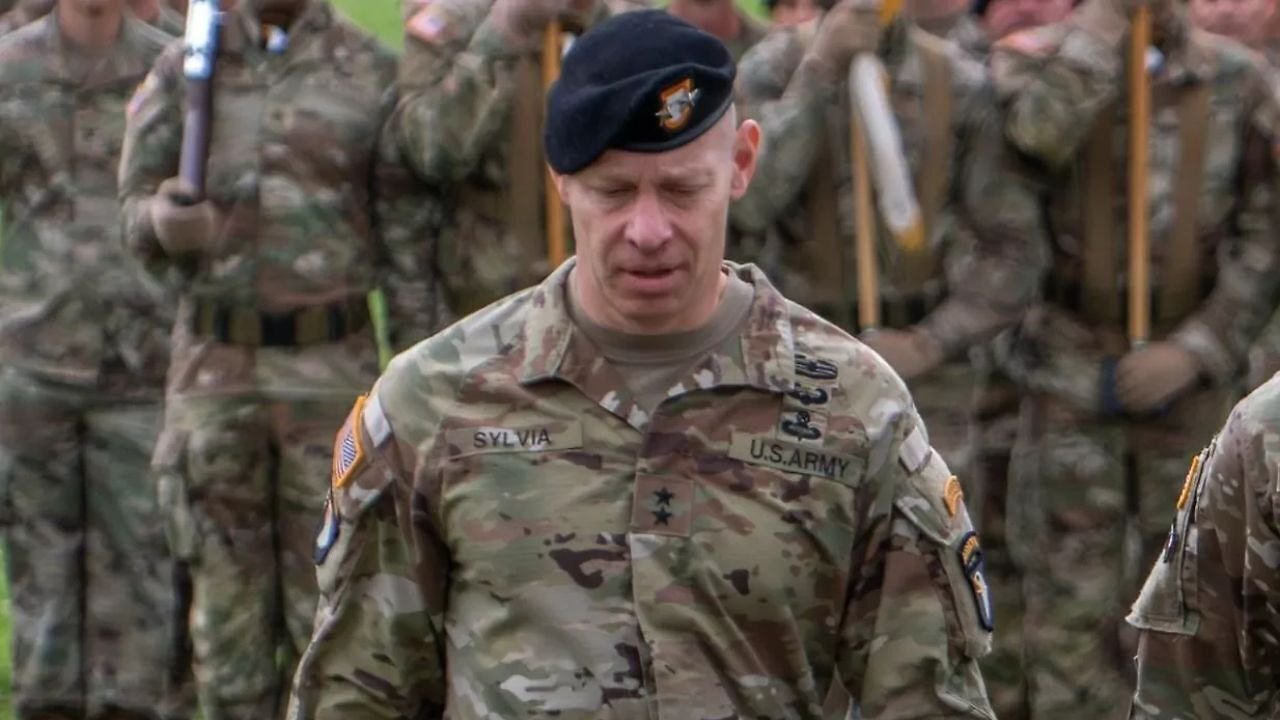
The US Defense Ministry (Pentagon) has dismissed one of its top generals with immediate effect on serious charges of unauthorized leaking of highly sensitive military documents and strategic intelligence information related to national security to journalists. A dismissed senior military officer has been accused of passing classified files related to operational strategies of the Ukraine war, the supply chain of front-line weapons and US military preparedness related to Iran in the Middle East to journalists of major media organizations.
This harsh administrative and punitive step follows a months-long secret internal forensic investigation by the Pentagon’s Inspector General (DoD Inspector General) and US security agencies. In the corridors of Defense Headquarters, this is being considered as the biggest internal security breach of the last few years.
According to the preliminary findings of the investigation report, the dismissed general had access to secret strategic level documents that are shared only with select top policy-makers and NATO commanders. Investigation revealed that he had passed on the following confidential information to journalists:
-
Advance Operation Plan related to Ukraine War: Confidential details of the Ukrainian military’s upcoming strategies against Russia, the actual shortages and delivery schedules of sensitive air defense systems and artillery weapons from Western countries.
-
US military deployment in Iran and the Middle East: Information about secret US Air Force contingency planning documents on US warships, surveillance drones and possible locations of Iranian militia groups deployed in the Middle East.
-
Shared intelligence assessments with NATO allies: Notes from secret closed-door political and military discussions between European allies and Washington on Ukraine aid.
During the past few months, several internal Pentagon reports were published in American and international media outlets, which could only be disclosed by officials with ‘Top Secret’ clearance. The Pentagon’s Insider Threat Program and the FBI were then activated at the direction of the Secretary of Defense and the National Security Council (NSC):
-
Audit of Electronic Communications: Access logs of classified networks (SIPRNet and JWICS), secure email trails, and the General’s official and private communication devices were forensically examined.
-
Unauthorized phone calls and secret meetings: Investigators found that there was an exact correlation between the timing of the download of the sensitive documents and the general’s communications and personal meetings with select national security journalists.
-
Open violation of classified protocols: Military regulations require prior approval from the Pentagon press office for any on-the-record or background briefing, which was completely bypassed in this case.
| parameter/point | Official status and details |
| action agency | United States Department of Defense (Pentagon/DoD) |
| type of action | Resignation with immediate effect and security clearance cancelled. |
| leaked documents | Ukraine war strategy, arms supply and covert operations related to Iran |
| primary charge | Unauthorized Disclosure of Classified National Defense Information (Espionage & Security Breach) |
| further legal process | Court-martial and criminal investigation under the Uniform Code of Military Justice (UCMJ) |
Confirming this action, a Pentagon spokesperson gave a clear message that no matter how high the position and rank, violation of the rules of oath and secrecy will not be tolerated. A statement issued by the Department of Defense said:
“Disclosing classified national defense information to public or unauthorized sources is not only a violation of the law, but it directly jeopardizes the security of our frontline troops, allies, and global operations. Taking this action was imperative to protect the highest standards of transparency and discipline in military leadership.”
The dismissal is only the first administrative stage of the case. According to legal experts, more stringent legal steps are now being taken against the dismissed general:
-
Security clearance canceled immediately: The official’s ‘Top Secret’ security clearance at all levels has been immediately revoked and he is barred from entering the Pentagon complex.
-
Court-Martial: The general can be tried in a military court under various sections of the US Army’s ‘Uniform Code of Military Justice’ (UCMJ).
-
Investigation under Espionage Act: The Department of Justice (DoJ) is also investigating whether civil criminal cases should be filed in this matter under the National Security Act (Espionage Act), which carries a punishment of decades in prison if found guilty.
-
Reduction in pension and military ranks: If convicted in a military court, the general’s formal military rank may be reduced and all his retirement allowances and pension may be permanently forfeited.
This strong step by the Pentagon has sent a clear message to the American military establishment that a zero-tolerance policy will now be adopted against those who leak secret strategic secrets to the media in times of sensitive geopolitical crises.