 look news india

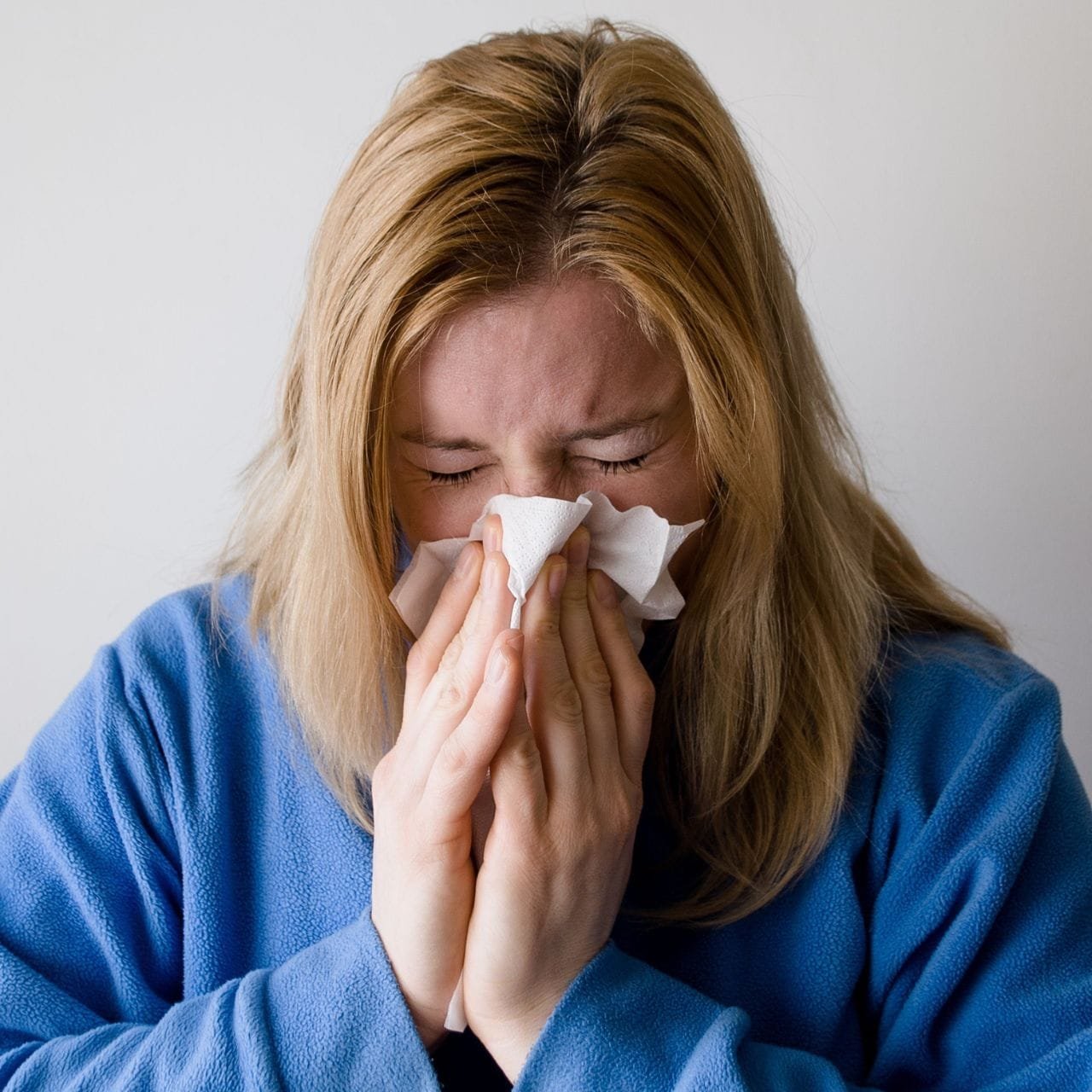
After being exposed to changing weather, smog or viral infection, it is often seen that fever, headache and body ache get cured in 3 to 5 days, but sore throat and persistent cough attacks do not leave behind for weeks. Many times people think that their medicines are proving ineffective or the disease has returned, due to which they start taking heavy antibiotics or changing various cough syrups again and again. According to pulmonologists and ENT specialists, most common colds are caused by viral infections. Even though the body’s immune system kills the virus within a few days, it takes a long time to repair the damage caused by the virus to the inner surface of the respiratory system. This process is called ‘post-infectious’ or ‘Post-Viral Cough’ It is said.
There is a very delicate protective layer on the inner wall of our throat and respiratory tract, which is called ‘Respiratory Epithelium’. The tiny hairs (cilia) present on this layer work to push out mucus, dust and germs that enter the lungs. When rhinovirus, influenza or respiratory syncytial virus (RSV) attacks, it severely damages and peels off this protective layer.
Even after the virus is eliminated, this inner skin of the respiratory tract remains swollen and raw. Just as it takes 10 to 15 days for a scratch on the skin to heal completely, similarly it takes 2 to 4 weeks for the inner membrane of the respiratory tract to become normal again. During this time, as soon as cold air, dust, pungent smell or slight mucus touches this raw surface, the nerves immediately get excited and send a cough signal to the brain.
The second most common reason for prolonged cough is leakage within the nose and sinuses. Even after a cold, the inner layer of the sinus remains swollen for several days, due to which thick or thin mucus slowly drips down the back of the throat.
This is called ‘post-nasal drip’ (PND) in medical terminology. When a person lies down at night, this secretion falls directly onto the receptors of the vocal cords and windpipe. For this reason, most people experience severe and uncontrolled coughing attacks at night before sleeping or after waking up in the morning compared to the day. Until the sinus inflammation subsides completely, this cough persists.
In some people, the respiratory tubes become extremely sensitive i.e. ‘hyper-reactive’ after viral infection. This is called ‘reactive airway disease’. In normal circumstances, the lungs do not give any abnormal response to normal breathing, but in this condition the breathing tubes start shrinking rapidly (bronchospasm).
While laughing, climbing the stairs, taking a sip of cold water or taking a sudden breath while talking loudly, a strain is felt in the lungs and a severe dry cough starts. This condition may be more prolonged in people who have a family history of allergies, sinusitis or mild bronchitis.
Many times people unknowingly take steps that further hinder the natural healing process of the respiratory tract:
-
Indiscriminate use of unnecessary antibiotics: The common cold is caused by a virus in 99% of cases. Antibiotics only kill bacteria, not viruses. Consuming antibiotics on your own without doctor’s advice destroys the good bacteria of the body, upsets the stomach and has no positive effect on the recovery of cough.
-
Dehydration: When there is not enough water in the body, the mucus that accumulates in the respiratory tract dries up and sticks. Dry phlegm causes constant itching in the throat which requires repeated coughing to get it out.
-
Not taking enough rest: During cold and cough, the body’s immune system devotes its entire energy to fighting the virus. Due to office stress, running around and lack of sleep, immune cells become sluggish, due to which the speed of tissue repair slows down.
-
Being exposed to dust, smoke and pollution: During the recovery phase, when the airways are already sensitive, smoking, inhaling incense sticks or walking without a mask in heavy traffic and smog can re-injure the healing airways.
To calm cough quickly, it is most important to provide moisture and comfort to the respiratory tract:
-
Hot water steam 2 to 3 times a day: By taking steam, moisture remains in the lining of the respiratory tract and dry mucus becomes loose and comes out easily.
-
Gargle with salt in lukewarm water: Gargling with rock salt in lukewarm water at least twice a day reduces the swelling and bacterial load in the back of the throat.
-
Natural paste of honey and ginger: Mix fresh ginger juice in one spoon of pure honey and lick it slowly twice a day. The World Health Organization (WHO) also considers honey to be the most effective and safe natural demulcent for the throat.
-
Sleep with your head slightly elevated: Keep your head slightly elevated by placing an extra pillow while sleeping at night so that the post-nasal drip does not fall directly into the throat and provides relief from night cough.
Usually, post-viral cough completely resolves on its own within 3 to 4 weeks. But if the cough persists for more than 4 weeks (one month), there is blood in the sputum, there is a sharp stabbing pain on one side of the chest, high fever starts recurring with night sweats or you experience severe difficulty in breathing, then do not ignore it at all. This could be a sign of pneumonia, chronic bronchitis, tuberculosis (TB) or gastroesophageal reflux disease (GERD/acid reflux), requiring immediate clinical examination and X-rays from a chest physician.