 look news india

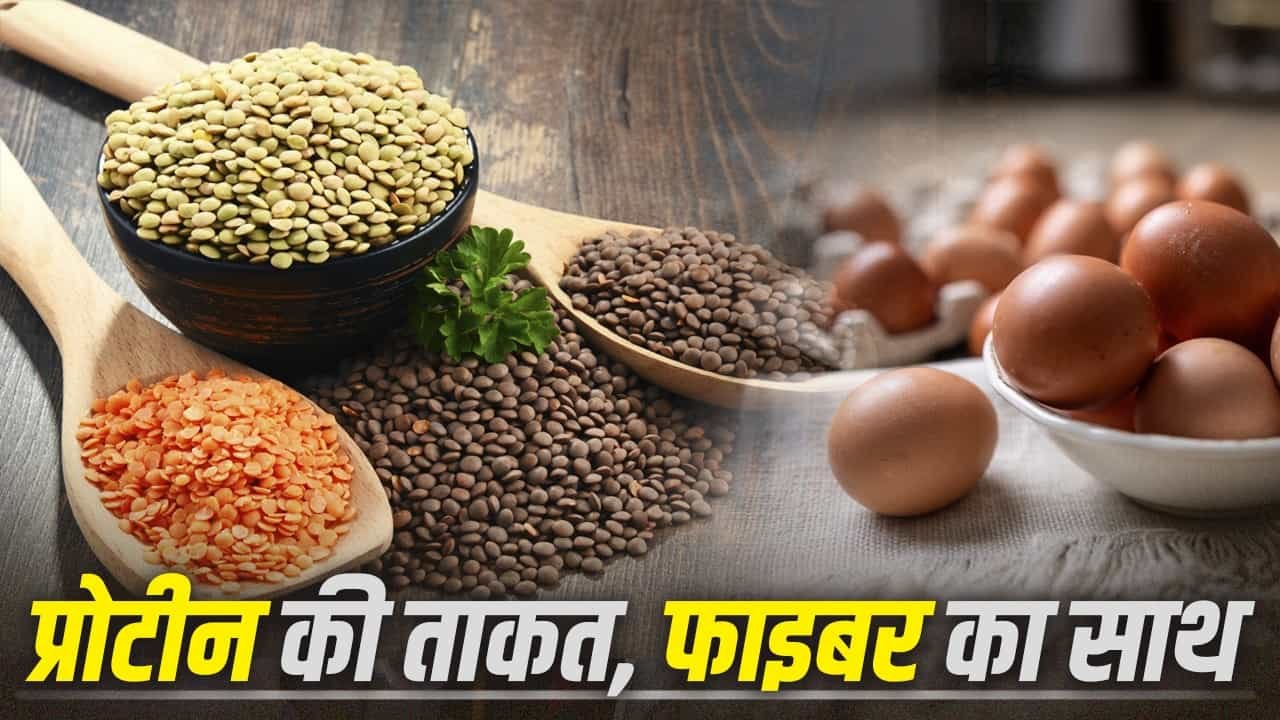
Nowadays, in the race for fitness and weight loss, everyone is talking about high-protein diet. From youth going to the gym to people who want to lose weight, they increase the level of protein in their diet, but in this process, they completely ignore the most important component of food i.e. ‘fibre’ (roughage). Nutritionists and gastroenterologists say that when only protein increases in the body and there is a deficiency of fiber, the digestive system is badly affected. Due to this, problems like severe constipation, bloating, acidity, swelling in the intestines and lethargy start arising. Protein is essential for building and repairing muscles, so fiber helps in digesting that protein properly, nourishing the good bacteria of the intestines and keeping cholesterol and blood sugar under control. Therefore, it is wise to choose foods that have an ideal balance of protein and fiber.
Easily available in the Indian kitchen, gram is the ultimate powerhouse of protein and soluble fiber. Whether you eat black gram, chickpeas or roasted gram, both of them fulfill the nutritional deficiencies in a jiffy.
-
Nutrition Level: One cup of boiled gram provides about 14 to 15 grams of protein and 12 to 13 grams of dietary fiber.
-
Advantages: The fiber present in gram speeds up intestinal metabolism and keeps the stomach full for hours, thereby giving up the habit of unhealthy snacking. The easiest way is to include roasted gram as an evening snack or boiled gram in chaat and salad.
Pulses and beans are the backbone of Indian cuisine. Especially legumes like Rajma (Kidney Beans), Lobia (Black Eyed Peas) and Whole Urad provide double benefit of protein and fiber.
-
Nutrition Level: One bowl of cooked kidney beans or cowpea contains about 13 to 15 grams of protein and 11 to 14 grams of fiber.
-
Advantages: The resistant starch present in kidney beans is a type of fiber that acts as a prebiotic for intestinal health. It is very helpful in reducing bad cholesterol (LDL) in the body and improving insulin sensitivity. It can be easily eaten in limited quantity with rice or in the form of soup and salad.
These seeds, which appear small in size, outperform big supplements in terms of nutrients. Not only are they packed with protein and fiber, but they’re also rich in heart-healthy omega-3 fatty acids.
-
Nutrition Level: Just 2 teaspoons (about 28 grams) of chia seeds contain about 4 to 5 grams of high-quality protein and up to 10 grams of fiber.
-
Advantages: When chia seeds are soaked in water, it takes a gel-like form. This gel lubricates the inner lining of the intestines, thereby eliminating the problem of chronic constipation. It is most effective to take it by mixing it in morning smoothie, oats, curd or lukewarm water.
Fresh green peas during winter season and sprouted moong or moth which are eaten throughout the year are perfect choices for protein-fibre combo. When you sprout pulses, the absorption of their nutrients becomes many times easier for the body.
-
Nutrition Level: One cup of cooked green peas provides about 9 grams of protein and 9 grams of fiber. At the same time, 7 to 8 grams of protein and 5 to 6 grams of fiber are easily available in a bowl of sprouted moong.
-
Advantages: Digestive enzymes become active in sprouted grains, due to which there is no problem of gas or indigestion. Eating lightly boiled or raw sprouts salad with lemon and cucumber for breakfast helps maintain energy levels throughout the day.
If you are looking for alternatives to flour or highly oily items in breakfast, then rolled oats and whole wheat porridge will prove to be the most suitable.
-
Nutrition Level: From one bowl of cooked oats or porridge, you get about 6 to 7 grams of protein and 4 to 5 grams of a special type of soluble fiber called ‘Beta-glucan’.
-
Advantages: Beta-glucan fiber slows down the absorption of glucose in the blood, preventing sudden spikes in blood sugar after meals. It can be eaten sweetened with milk, nuts and fruits or cooked as a salty khichdi with vegetables.
If you include these 5 things in your daily diet one by one, you will not need to depend on expensive protein powder or fiber supplements. Adults require an average of 25 to 35 grams of fiber and 0.8 to 1 gram of protein per kilogram of weight daily. When both these nutrients are present together in the plate, the muscles become strong, the body remains toned and the stomach gets cleaned smoothly without any problem.