 look news india

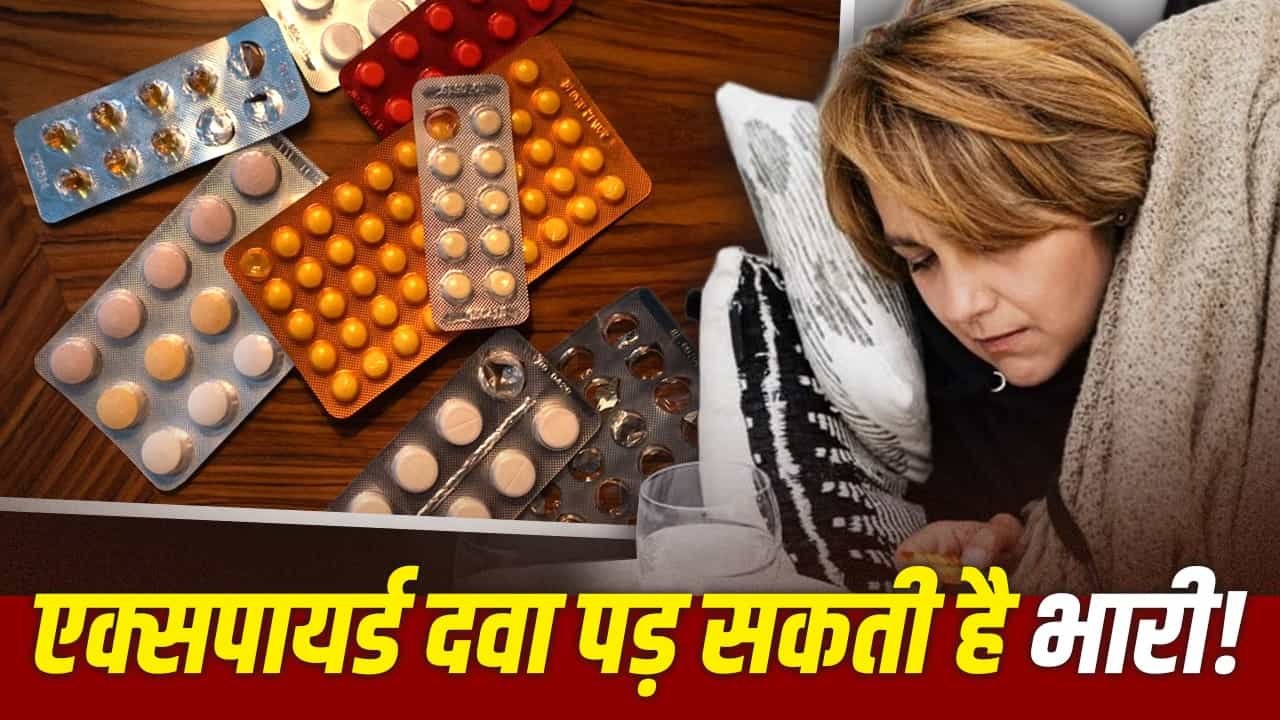
Often, in case of headache, sudden stomach ache, fever or allergy, people take out any pill from the first-aid box or old medicine box kept at home and take it without looking. Later, when one looks at the blank strip and realizes that the ‘expiry date’ of the medicine had already passed several months or even a year ago, one suddenly starts feeling nervous. Questions start flashing in the mind that will this medicine become poison after entering the stomach? Will this cause liver or kidney damage? Pharmacologists (drug experts) and doctors say that not every medicine becomes poison immediately after the expiry date, but its effect depends on the type of medicine, its chemical formulation and the way it is stored. Yet, taking it lightly could prove to be a deadly risk.
According to drug manufacturing rules (Drug Regulation), expiry date is the last date by which the drug manufacturing company gives a legal guarantee of 100 percent safety, purity and full potency of that drug. To determine this date, medicines are rigorously tested for stability by keeping them in extreme temperatures, humidity and light in the laboratory. Exceeding the expiry date simply means that after this the chemical elements of the medicine start breaking down (degrading). This does not mean that the medicine will become completely poisonous the very next day, rather its first and biggest effect is that the ability of the medicine to fight the disease starts decreasing rapidly.
Three main types of effects can be seen on the body when expired medicine is taken:
-
Failure in Treatment (Loss of Efficacy): This is the most common problem. If you take expired paracetamol or pain reliever for headache or high fever, it is possible that that medicine may not show any significant effect in the body. You will feel that you have taken the medicine, but the symptoms of the disease will continue to increase.
-
Stomach Toxicity and Gastric Problems: When the chemical components of the medicine break down, they can damage the inner lining of the stomach. Due to this, problems like sudden nausea, vomiting, severe stomach pain, diarrhea or heartburn may start.
-
Severe Toxicity and Allergic Reactions: Some medicines get converted into harmful chemical by-products after they expire. Consuming these can cause hives on the skin, difficulty in breathing, swelling on the face and lips or additional chemical pressure on the liver and kidneys.
According to experts, there are some medicines whose taking even a single dose after the expiry date can turn into a medical emergency:
-
Antibiotics (especially tetracycline group): Older antibiotics like tetracycline can cause a serious kidney disorder called ‘Fanconi Syndrome’ when they expire, which can permanently damage the kidney tubes. Due to ineffectiveness of other antibiotics, drug resistance (antimicrobial resistance) develops in bacteria.
-
Insulin: Insulin used by diabetic patients is a delicate protein. It breaks down very fast after expiry. Taking expired insulin will not control blood sugar, which can lead to life-threatening conditions like diabetic ketoacidosis or coma.
-
Heart medications and nitroglycerin: Nitroglycerin, which is given under the tongue to heart patients during angina (chest pain), is extremely unstable. When it expires, it becomes completely ineffective and may fail to save the patient’s life during a heart attack.
-
Eye Drops: The preservatives in the eye drops get destroyed 30 days after opening the bottle or after the expiry date. Bacteria and fungus start growing in such medicine. Putting it in the eyes can cause serious fungal infection in the cornea and even loss of vision.
-
Liquid syrup, suspension and vaccine: Liquid syrups, children’s cough syrups and antibiotic suspensions are more easily contaminated and spoiled than solid tablets.
If you or a family member has accidentally consumed expired medication, instead of panicking, take these 4 practical steps:
-
Check the packet and note the time: Immediately look at the medicine wrapper to see how many days or months ago the expiry date was (1 month old risk is much lower than 2 year old risk). Note down the name of the medicine, batch number and dosage.
-
Do not try to force vomiting: Many people try to vomit by putting a finger in the throat to get the medicine out. According to doctors, never do this, because it can cause the food pipe to get scratched or the medicine can go into the lungs.
-
Drink plenty of plain water: If the medicine was normal paracetamol or vitamin tablet, immediately drink one to two glasses of normal water so that the concentration of the medicine can be diluted in the stomach.
-
Monitor symptoms 24 hours: If excessive sweating, dizziness, vomiting, severe stomach cramps, wheezing or an itchy rash are seen on the body in the next 2 to 4 hours, then go straight to the emergency or doctor without delay and do not forget to take that blank medicine leaf with you.
The easiest way to avoid this unwanted danger is to clean the home medicine kit every 3 to 6 months and safely dispose of old medicines.