 look news india

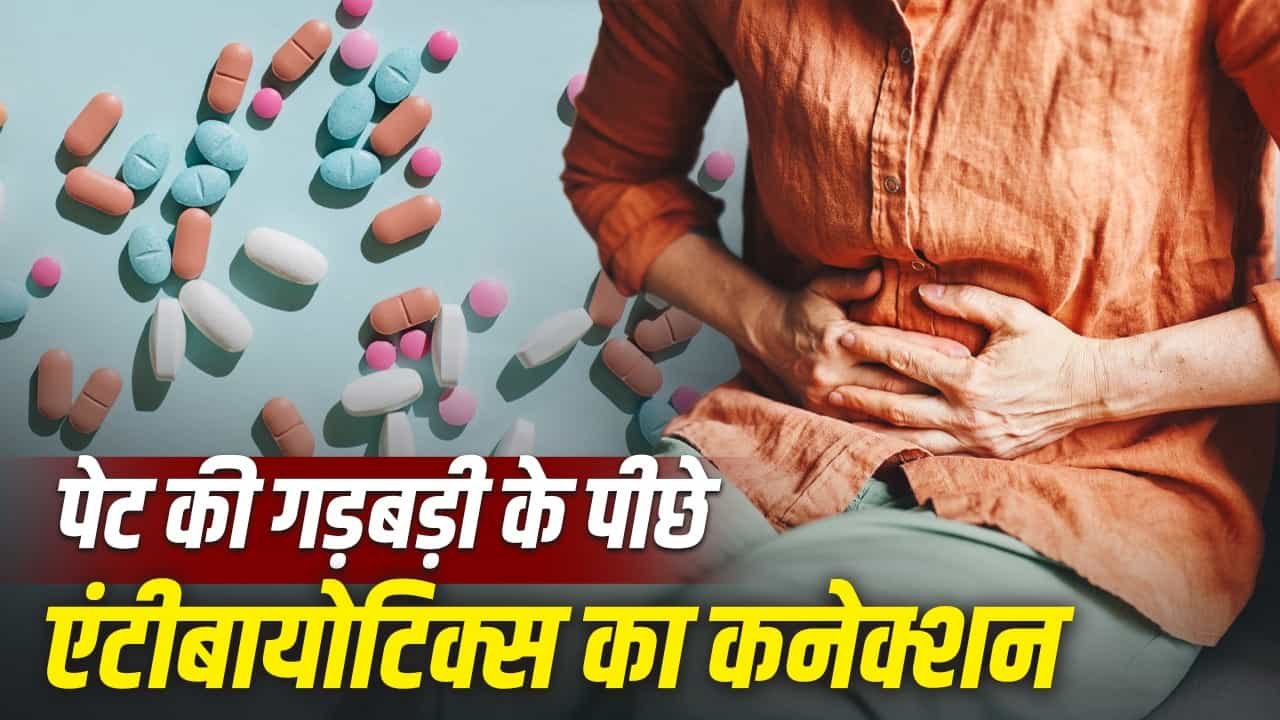
Antibiotics act as life-saving medicines in diseases like severe bacterial infection, sore throat, urinary tract infection (UTI) or typhoid. After completing the course of 3 to 5 or 7 days as prescribed by the doctor, the main disease gets cured, but soon after this a new problem starts – complete upset of the stomach. Sudden diarrhea, heaviness in the stomach, gas, cramps or loss of appetite are very common. Many people dismiss it as weakness of the disease or a normal effect of the medicine. But gastroenterologists say that antibiotics affect the delicate ecosystem of our digestive system like a ‘storm’. If this change in the stomach is not handled in time, it can weaken the digestive power for weeks.
Our stomach and intestines are home to trillions of living microorganisms (the microbiome), most of which are ‘friendly’ or good bacteria (such as Lactobacillus and Bifidobacterium). These good bacteria help in digesting our food, producing Vitamin B12 and Vitamin K, keeping the intestinal lining strong and enhancing immunity.
Antibiotic medicines are designed in such a way that they destroy the bacteria present in the body. But the problem is that most of the broad-spectrum antibiotics are not able to differentiate which bacteria is harmful and which is beneficial for the body. As a result, they completely destroy disease-causing bacteria as well as millions of protective good bacteria in the intestines. in medical language ‘Gut Dysbiosis’ It is said. When the protective bacteria in the intestines are destroyed, the normal process of digestion comes to a halt and the stomach begins to react unnaturally.
If you experience the following symptoms while taking antibiotics or a few days after the course ends, take it seriously:
-
Antibiotic Associated Diarrhea (AAD): Watery loose stools 3 to 4 times a day or more, two to three days after starting the medicine or after the course ends. This is the most obvious sign of destruction of intestinal flora.
-
Severe cramps and cramps in the stomach: Intermittent strong cramps around the navel or in the lower abdomen and feeling as if the intestines are being stretched.
-
Severe bloating and unbearable gas: Even after drinking water or eating a little light food, the stomach becomes swollen like a balloon and constant sour belching occurs. This happens when undigested food starts rotting in the intestines.
-
Bitter taste in mouth and loss of appetite: A metallic or bitter taste on the tongue all the time, feeling of nausea and complete loss of normal appetite.
-
Red flags of C. diff infection: When good bacteria die completely, a dangerous bacteria called clostridioides difficile (Clostridioides difficile), becomes dominant in the intestines. This results in smelly diarrhea 10-15 times a day, fever, unbearable pain in the stomach and mucus or blood in the stool. This is a serious medical emergency.
To strengthen the stomach after the completion of the course of antibiotics, the most important thing is to rehabilitate the good bacteria in the intestines:
-
Immediate help of probiotics: As soon as the medicine course is over, increase the amount of probiotics in your diet. Homemade fresh curd, buttermilk, kanji or prescription probiotic capsules/sachets re-establish live Lactobacillus bacteria in the intestines. Keep in mind that if you are on antibiotics, keep a gap of at least 2 hours between the medicine and the probiotic.
-
Nourish bacteria with prebiotic foods: The new bacteria need soluble fiber (prebiotics) to survive. Include ripe bananas, apples, oats, boiled potatoes and mild garlic-onion in your diet. Banana is the most effective fruit in soothing intestinal inflammation.
-
Khichdi and light digestible diet: Completely avoid heavy, extremely spicy, fried and floury junk foods for at least a week. Eat thin khichdi of moong dal, porridge, bottle gourd soup and boiled rice starch (kanji) which do not put any strain on the weak intestines.
-
PLENTY OF HYDRATION AND ORS: Due to diarrhea or indigestion, electrolytes are rapidly drained from the body. Drink plain lukewarm water, coconut water and ORS solution sip by sip throughout the day so that dehydration does not occur in the mucosal layer of the intestines.
If diarrhea does not stop even after 3 to 4 days after the end of the antibiotic course, dizziness occurs due to dehydration, fever rises above 101 degrees, or blood and sticky substances start coming out through the stool, then stay at home and do not take any anti-diarrhea drugs (anti-motility drugs) on your own. It can worsen the condition by trapping toxins within the intestines. In such a situation, immediately show the prescription of your previous medicines to your doctor or physician and get proper treatment after getting a stool test done.